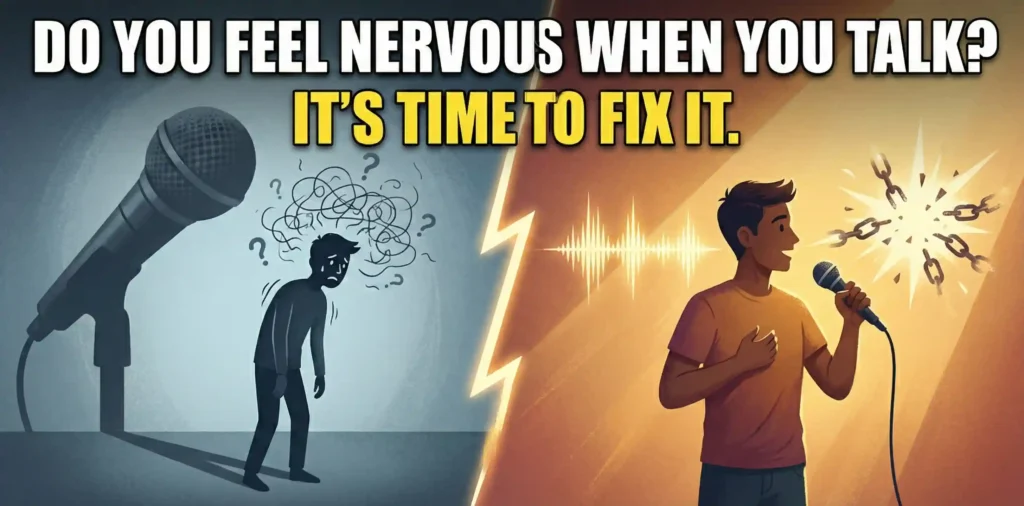
Listening is more than just hearing words; it’s an essential skill that can transform your conversations and relationships. For many, it can feel daunting to engage deeply in discussions, but becoming a good listener is within your reach and incredibly rewarding.
Effective listening involves focusing on the speaker, showing genuine interest, and responding thoughtfully. By practicing these strategies, you can enhance your communication skills, build stronger connections, and gain the confidence to participate actively in any conversation.
Understanding the Importance of Listening
Listening is more than just hearing words; it is a vital skill that enhances communication and strengthens relationships. By genuinely engaging in conversations, you create a connection with others, making them feel valued and understood. In this section, we will explore the reasons why effective listening matters and how it can transform your interactions.
Good listening fosters trust and respect, which are essential components of any healthy relationship. When you actively listen, you show that you care about the speaker’s thoughts and feelings. This not only encourages open dialogue but also allows for deeper connections. Furthermore, effective listening can help you gain insights and perspectives that you might not have considered otherwise, broadening your understanding of various topics.
In addition, by practicing good listening skills, you can reduce misunderstandings and conflicts in conversations. Many issues arise from miscommunication, and actively listening allows you to clarify points and ensure that everyone is on the same page. As you become more aware of these dynamics, your confidence in social situations will grow, leading to more fulfilling interactions.
Understanding the Importance of Listening
Listening is more than just hearing words; it’s about fully engaging with the speaker and their message. This section delves into why listening is crucial in conversations and how it can transform your interactions. By grasping the significance of active listening, you can enhance your communication skills and build stronger relationships.
Good listening fosters trust and respect between individuals. When you genuinely listen, you show the speaker that their thoughts and feelings are valued. This not only encourages open dialogue but also promotes a supportive atmosphere where both parties feel comfortable expressing themselves. Moreover, effective listening can prevent misunderstandings and conflicts, paving the way for deeper connections.
Another key aspect is that listening allows you to gather information and insights. By paying close attention, you can understand the speaker’s perspective and respond appropriately. This can lead to richer conversations and collaboration, whether in personal or professional settings. Ultimately, embracing the role of a good listener can greatly benefit your interpersonal skills and boost your confidence in social interactions.
Understanding Non-Verbal Cues
Non-verbal communication plays a significant role in how we engage in conversations. Being aware of body language, facial expressions, and tone can enhance your listening skills and improve the overall interaction. This section will help you recognize and interpret these cues effectively, making your conversations more meaningful.
When someone is speaking, their body language can reveal much about their feelings and intentions. For instance, crossed arms may indicate defensiveness, while leaning forward often shows interest and engagement. Pay attention to these signals as they provide context to the words being spoken.
Facial expressions are equally important. A smile can convey warmth and friendliness, while a frown might indicate concern or disagreement. By observing these expressions, you can respond appropriately and demonstrate empathy, which fosters a deeper connection.
Additionally, tone of voice can change the meaning of a message. A gentle tone may suggest kindness, while a harsh tone could imply frustration. Listening for these nuances can guide your responses and help you maintain a supportive atmosphere in the conversation.
By honing your ability to read non-verbal cues, you can become a more effective listener and strengthen your relationships. Practice observing these signals in everyday interactions, and reflect on how they influence communication dynamics.
Engage with Empathy
Empathy is a vital component of effective listening. It allows you to connect with the speaker on a deeper level, making them feel understood and valued. By engaging with empathy, you can enhance your conversations and foster stronger relationships. This section will explore how to practice empathetic listening to improve your interpersonal skills.
To engage with empathy, start by focusing on the speaker’s emotions and perspectives. Pay attention to their tone of voice, body language, and facial expressions. This non-verbal communication can provide valuable insights into how they feel about what they are saying. Reflect on these cues as you listen, which can help you respond thoughtfully.
Another effective strategy is to validate the speaker’s feelings. You can do this by acknowledging their emotions and expressing understanding. For example, if someone shares a challenging experience, you might say, “That sounds really tough; I can see why you would feel that way.” This simple act can create a supportive atmosphere and encourage more open dialogue.
Lastly, practice active engagement by asking open-ended questions. These questions encourage the speaker to elaborate on their thoughts and feelings, demonstrating your genuine interest in their perspective. Examples include, “How did that situation make you feel?” or “What was the most challenging part for you?” This approach not only helps you listen better but also strengthens your connection with the speaker.
Understanding Nonverbal Cues
Nonverbal communication plays a crucial role in listening effectively. Often, what is not said can convey just as much meaning as the words spoken. By paying attention to body language, facial expressions, and tone of voice, you can gain deeper insights into the speaker’s feelings and intentions.
Observing nonverbal cues helps you respond more appropriately and shows the speaker that you are engaged. Here are some key nonverbal signals to consider:
- Eye Contact: Maintaining appropriate eye contact demonstrates attentiveness and interest. However, be mindful of cultural differences regarding eye contact.
- Posture: An open and relaxed posture indicates that you are receptive to what the speaker is saying. Leaning slightly forward can show that you are actively engaged.
- Facial Expressions: Your facial reactions can convey empathy and understanding. Nodding or smiling at appropriate moments can encourage the speaker to continue sharing.
- Gestures: Pay attention to the speaker’s hand movements and gestures, as these can emphasize their points and express emotions.
By tuning into these nonverbal cues, you can create a more supportive environment for conversation, which can lead to more meaningful and productive interactions. Practice observing these signals in your daily conversations to enhance your listening skills.
Enhancing Your Listening Skills Through Empathy
Empathy is a crucial component of effective listening. It involves not just hearing the words spoken, but also understanding the emotions and intentions behind them. This section will explore how to cultivate empathy in your conversations, allowing you to connect more deeply with others and demonstrate genuine interest in their experiences.
To enhance your empathetic listening, consider the following strategies:
- Pay attention to non-verbal cues: Body language, facial expressions, and tone of voice can provide valuable insight into a speaker’s emotions. Observe these cues to better understand their feelings.
- Practice reflective listening: After the speaker shares their thoughts, restate or paraphrase what they said to show you are engaged. This reinforces that you are listening and allows for clarification if needed.
- Avoid judgment: Keep an open mind and avoid making assumptions about the speaker’s feelings or experiences. This encourages a safe space for them to share openly.
- Ask open-ended questions: Encourage the speaker to elaborate by asking questions that invite deeper discussion. This shows you value their perspective and want to understand more.
By integrating empathy into your listening approach, you can foster more meaningful connections and demonstrate that you truly care about what others have to say. This not only enhances your interpersonal skills but also builds trust in your relationships.
Understanding Nonverbal Cues
Nonverbal communication plays a crucial role in how we interpret and engage in conversations. Being attuned to body language, facial expressions, and tone can significantly enhance your listening skills. This section focuses on recognizing these cues to improve your interactions, ensuring you respond appropriately and empathetically.
People often communicate more through nonverbal signals than with words. Here are some key aspects to observe:
- Facial Expressions: A smile can indicate warmth, while a frown may suggest confusion or disagreement.
- Body Language: Open posture often shows receptiveness, while crossed arms may imply defensiveness.
- Eye Contact: Maintaining eye contact demonstrates engagement and interest. However, too much can be intimidating.
- Tone of Voice: The way something is said can convey emotions. A calm tone can indicate reassurance, while a raised voice may signal frustration.
By paying attention to these nonverbal cues, you can better understand the emotions and intentions of the speaker. This attentiveness fosters a more meaningful conversation, allowing you to respond in a way that shows genuine interest and care.
More Post: 10 Effective Tips to Communicate with Someone Who Has Social Anxiety
Understanding Nonverbal Cues
Nonverbal communication plays a crucial role in effective listening. Understanding and interpreting these cues can enhance your ability to engage with others and show that you are fully present in the conversation. This section will explore the different types of nonverbal cues and how they can be used to improve your listening skills.
Nonverbal cues include facial expressions, gestures, posture, and eye contact. Each of these elements can convey feelings and attitudes that words alone may not express. For instance, maintaining appropriate eye contact signals attentiveness and respect, while crossed arms might suggest defensiveness or disinterest. By observing these cues, you can gain deeper insights into the speaker’s emotions and reactions.
Here are some key nonverbal signals to pay attention to:
- Facial Expressions: Smiles, frowns, and raised eyebrows can indicate enthusiasm, confusion, or agreement.
- Gestures: Hand movements can emphasize points or express emotions, helping to clarify the speaker’s message.
- Posture: Leaning in shows interest, while leaning back may indicate discomfort or disengagement.
- Eye Contact: Sustained eye contact fosters connection, while frequent looking away may signal distraction or discomfort.
By actively observing and responding to these nonverbal cues, you can cultivate a more meaningful and engaging conversational experience. This awareness not only enhances your listening ability but also fosters stronger relationships with those you communicate with.
More Post: Overcome Social Anxiety: 5 Strategies for Confident Conversations
Building Confidence in Your Listening Skills
As you work on becoming a better listener, it’s essential to recognize that building confidence in your skills takes time and practice. This section will provide you with strategies to boost your self-assurance while engaging in conversations, ensuring that you feel more comfortable and present when interacting with others.
One effective way to enhance your confidence is to practice active listening in low-pressure situations. Start by engaging in conversations with friends or family members where the stakes are low. Focus on applying the techniques you’ve learned, such as maintaining eye contact, nodding in acknowledgment, and paraphrasing what the speaker has said. This practice can help you become more comfortable with these skills.
Another strategy is to set small, achievable goals for each conversation. For instance, aim to ask at least two open-ended questions during a discussion or to summarize the main points at the end. These goals can provide a sense of accomplishment and encourage you to explore deeper interactions.
Lastly, reflect on your conversations after they happen. Consider what worked well and what you might want to improve. This self-reflection can help you track your progress and build a more robust foundation for your listening skills, ultimately leading to more meaningful connections with others.
Quick Summary
- Maintain eye contact to show you are engaged and present.
- Practice active listening by nodding and using verbal affirmations.
- Avoid interrupting; let the speaker finish their thoughts before responding.
- Ask open-ended questions to encourage deeper discussion.
- Be mindful of non-verbal cues to understand emotions and feelings.
- Summarize what you’ve heard to confirm understanding and show you care.
- Set aside distractions to fully focus on the conversation.
Frequently Asked Questions
What are the basic principles of active listening?
Active listening involves fully concentrating on what the speaker is saying rather than just passively hearing their words. This includes giving your full attention, showing interest through body language, and providing feedback to demonstrate that you are engaged in the conversation.
How can I show that I am listening during a conversation?
To show that you are listening, maintain eye contact, nod occasionally, and use affirming gestures or verbal cues like “I see” or “That makes sense.” These non-verbal signals indicate to the speaker that you are focused and interested in their message.
What should I do if I find my mind wandering while someone is speaking?
If you notice your mind wandering, gently refocus your attention on the speaker’s words. You can take a deep breath or mentally summarize what they are saying to help stay present and engaged in the conversation.
How can I ask effective follow-up questions?
Effective follow-up questions are open-ended and invite the speaker to share more about their thoughts or feelings. Instead of asking yes-or-no questions, try to ask things like “What led you to that conclusion?” or “How did that make you feel?” to encourage deeper dialogue.
What can I do to practice my listening skills in everyday situations?
To practice listening skills, engage in conversations with friends or colleagues and consciously apply active listening techniques. You can also participate in group discussions or volunteer for roles that require listening, such as peer mentoring, to build your confidence and skills in a supportive environment.