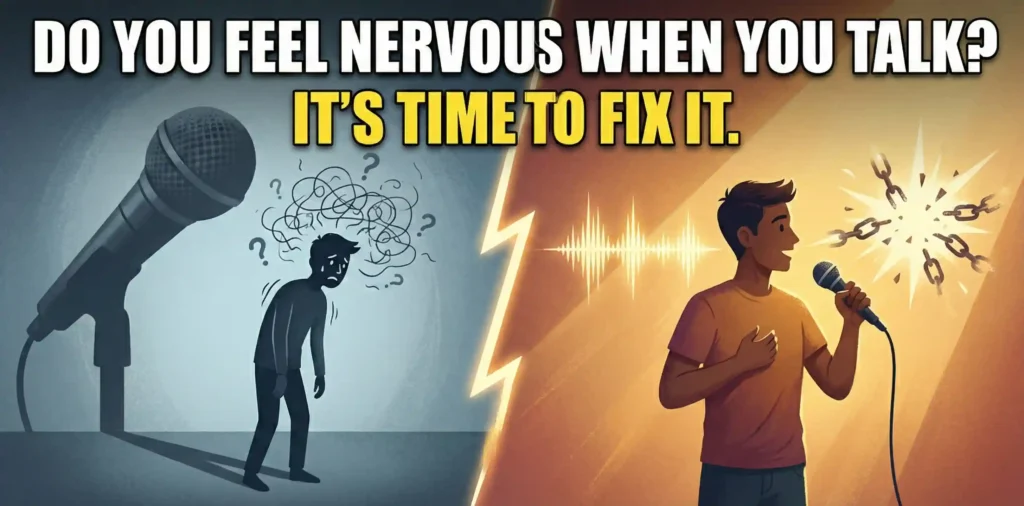
Improving your talking skills can open doors to new opportunities and enhance your personal interactions. Many individuals find that being articulate boosts their confidence and helps them convey ideas more effectively. Discovering how to communicate clearly is essential for anyone looking to connect better with others.
Some effective methods to enhance your talking skills include practicing regularly, actively listening to others, and expanding your vocabulary. Engaging in conversations and seeking feedback can also significantly improve your skills over time. Start small, and watch your confidence grow!
Understanding the Importance of Communication Skills
Effective communication is essential in both personal and professional settings. For beginners, recognizing the importance of talking skills is the first step toward improvement. Good communication facilitates better relationships, enhances collaboration, and boosts confidence. This section will provide insights into why developing these skills is crucial for success in various aspects of life.
Communication skills form the foundation for expressing thoughts and ideas clearly. They encompass not only speaking but also listening, which is equally vital. When you communicate effectively, you engage your audience, making your conversations more meaningful. Furthermore, strong talking skills help reduce misunderstandings and foster a positive environment, whether in social gatherings or workplace meetings.
Investing time in improving your talking skills is worthwhile. It opens doors to new opportunities, enhances your ability to persuade and influence others, and builds your self-esteem. Understanding the significance of these skills sets the stage for the practical techniques you will learn in the following sections.
Practice Active Listening
Active listening is a fundamental skill that significantly enhances communication abilities. By focusing on what others say, you not only improve your understanding but also become more engaged in conversations. This section explores effective ways to cultivate active listening skills, which in turn, will boost your confidence when speaking.
To develop active listening, consider the following techniques:
- Maintain Eye Contact: This shows that you are paying attention and value the speaker’s words.
- Provide Feedback: Use verbal affirmations like “I see” or “That’s interesting” to encourage the speaker.
- Ask Questions: Clarifying questions demonstrate your interest and help deepen the conversation.
- Summarize What You Hear: Paraphrasing the speaker’s points confirms your understanding and allows for corrections if necessary.
Incorporating these techniques into daily interactions can greatly improve your talking skills. When you listen actively, you create a comfortable environment that encourages open dialogue, making it easier for you to contribute your own thoughts and ideas effectively.
Practice Active Listening
Active listening is a crucial skill that enhances your talking capabilities. It involves fully concentrating, understanding, and responding thoughtfully during conversations. By honing this skill, you’ll not only improve your speaking abilities but also build stronger connections with others.
To practice active listening, start by focusing on the speaker without distractions. Maintain eye contact and show your engagement through body language. When the other person speaks, resist the urge to interrupt. Instead, listen attentively and allow them to finish their thoughts before responding.
Another effective technique is to paraphrase what the speaker has said. This demonstrates that you are processing the information and encourages clarification if needed. You can say things like “So what you are saying is…” This not only shows that you are listening but also helps you to better understand the conversation.
Lastly, ask open-ended questions to encourage deeper dialogue. Questions like “What do you think about…?” or “How did that make you feel?” can lead to more meaningful discussions. Practicing these active listening techniques will ultimately make you a more effective communicator.
Practice Active Listening
Improving talking skills goes hand-in-hand with developing active listening abilities. When you listen attentively, you not only understand the speaker better but also respond more appropriately. This section explores effective techniques to enhance your listening skills, which will, in turn, elevate your conversational capabilities.
Active listening involves fully concentrating on the speaker and understanding their message without interrupting. Here are some practical strategies to cultivate this skill:
- Maintain Eye Contact: This shows you are engaged and interested in the conversation.
- Nod and Use Affirmative Gestures: Simple gestures indicate that you are following along and encourage the speaker to continue.
- Paraphrase What You Hear: Repeat back what the speaker has said in your own words. This confirms your understanding and shows you are listening.
- Avoid Interrupting: Let the speaker finish their thoughts before you respond. This demonstrates respect for their perspective.
- Ask Open-Ended Questions: Encourage deeper dialogue by asking questions that require more than a yes or no answer.
By practicing these techniques regularly, you can develop a more profound connection with others, leading to richer and more meaningful conversations. Active listening is a skill that, once mastered, will significantly improve your overall talking abilities.
Engaging in Conversations
Practicing conversation skills is essential for beginners looking to improve their talking abilities. Engaging with others not only helps in refining your skills but also builds confidence. It provides an opportunity to learn from real-life interactions, making it a practical step in your journey to becoming a more effective communicator.
To enhance conversational skills, consider the following approaches:
- Join a discussion group: Participating in local or online discussion groups allows you to engage with diverse perspectives, which can improve your ability to articulate thoughts and respond appropriately.
- Practice active listening: Pay close attention to what others are saying. This encourages better responses and shows that you value their input, fostering a more meaningful exchange.
- Ask open-ended questions: These questions invite more extensive answers and encourage deeper conversations. For example, instead of asking, “Did you enjoy the movie?” try “What did you think about the movie?”
- Role-play scenarios: Practicing conversations in specific contexts, such as job interviews or social gatherings, can help you prepare for real-life situations.
By actively engaging in conversations and applying these techniques, beginners can enhance their talking skills and become more effective communicators.
Practice Active Listening
Active listening is a crucial skill that enhances your talking abilities. It involves fully concentrating on what the speaker is saying, understanding their message, and responding thoughtfully. This section will explore techniques to improve your listening skills, which in turn can elevate your conversation quality and help you engage more effectively with others.
To practice active listening, focus on the speaker without distractions. Maintain eye contact and nod occasionally to show you are engaged. After they finish speaking, paraphrase or summarize what you’ve heard to confirm understanding. This technique not only shows that you value their input but also encourages more meaningful dialogue.
Another effective method is to ask open-ended questions. This invites the speaker to elaborate on their thoughts, providing you with more context and allowing for a richer conversation. Additionally, try to avoid interrupting. Allow the speaker to finish their points before you respond, which shows respect and fosters a more collaborative exchange.
By improving your active listening skills, you will find that your ability to communicate clearly and effectively will naturally enhance. Listening well is just as important as speaking, as it creates a balanced interaction where both parties feel heard and valued.
Practice Active Listening
Active listening is a crucial skill that directly influences your ability to communicate effectively. By truly engaging with what others are saying, you can respond more thoughtfully and improve your conversational skills. This section will cover strategies for developing active listening techniques.
To become a better talker, start by focusing on the speaker. Make eye contact and nod occasionally to show you are engaged. Avoid interrupting and wait for pauses to interject your thoughts. This not only demonstrates respect but also allows you to process the information better, leading to more relevant responses.
Here are some techniques to enhance your active listening skills:
- Reflect back: Summarize what the speaker has said to confirm your understanding.
- Ask open-ended questions: Encourage the speaker to elaborate on their thoughts, which can create deeper conversations.
- Pay attention to non-verbal cues: Notice body language and tone to gain insights beyond words.
Practicing these techniques can significantly improve your communication skills, making conversations more engaging and productive. Active listening fosters a strong connection with others, paving the way for more meaningful interactions.
Practice Active Listening
Active listening is a crucial skill that greatly enhances talking abilities. By focusing on what others say, you can respond more thoughtfully and engage in more meaningful conversations. This section explores the importance of active listening and how to incorporate it into your daily interactions.
To practice active listening, start by giving your full attention to the speaker. Make eye contact, nod, and provide verbal acknowledgments like “I see” or “I understand” to show you are engaged. This not only helps you grasp the speaker’s message but also encourages them to share more. Additionally, ask open-ended questions that invite elaboration, such as “Can you tell me more about that?” or “How did you feel when that happened?”
Another key aspect is to avoid interrupting. Let the speaker finish their thoughts before you respond. This demonstrates respect and allows you to fully understand their point of view. If you find your mind wandering, gently bring your focus back to the conversation. By practicing active listening consistently, you will notice improvements in your own speaking skills, as it fosters better understanding and more relevant responses.
Building Confidence in Conversations
Confidence is crucial for effective communication. For beginners, building this confidence can make a significant difference in their ability to engage with others. This section focuses on practical strategies to enhance self-assurance in speaking situations, which can lead to better conversations and interactions.
One effective method is to practice speaking in low-pressure environments. This can include talking to friends or family members who provide supportive feedback. Engaging in casual discussions allows beginners to express themselves freely and develop their speaking style.
Another approach is to record oneself while practicing speaking. Listening to these recordings can help identify areas of improvement, such as tone, pace, and clarity. Over time, this self-awareness can lead to increased confidence.
Additionally, joining groups or clubs focused on public speaking, such as Toastmasters, can provide valuable experience. These organizations offer structured environments where individuals can practice regularly and receive constructive criticism.
Lastly, setting achievable goals is essential. Start with small objectives, like initiating a conversation with a stranger or participating in a group discussion. As confidence builds through these successes, speaking skills will naturally improve.
Quick Summary
- Practice active listening to enhance understanding and response quality.
- Engage in regular conversations to build confidence and fluency.
- Expand vocabulary by reading diverse materials and learning new words.
- Record and review your speaking sessions to identify areas for improvement.
- Join speaking clubs or groups to gain exposure and receive constructive feedback.
- Use role-playing exercises to simulate real-life conversations and scenarios.
- Stay patient and persistent, as improvement takes time and practice.
Frequently Asked Questions
What are some effective exercises to improve my speaking skills?
Practicing tongue twisters can help with pronunciation and clarity. Additionally, reading aloud and recording yourself can provide insights into areas for improvement.
How can I build my confidence when speaking?
Start by practicing in front of a mirror or with friends and family. Gradually increase your audience size and remember that making mistakes is part of the learning process.
Is joining a speaking club beneficial for beginners?
Yes, joining a speaking club like Toastmasters can be highly beneficial. It provides a supportive environment to practice regularly and receive constructive feedback.
How important is body language in communication?
Body language plays a crucial role in effective communication. It can enhance your message and convey confidence, so be mindful of your posture, gestures, and facial expressions while speaking.
What resources can I use to improve my vocabulary for speaking?
Reading books, listening to podcasts, and using vocabulary-building apps can significantly enhance your word choice. Engaging with diverse content exposes you to new phrases and expressions.