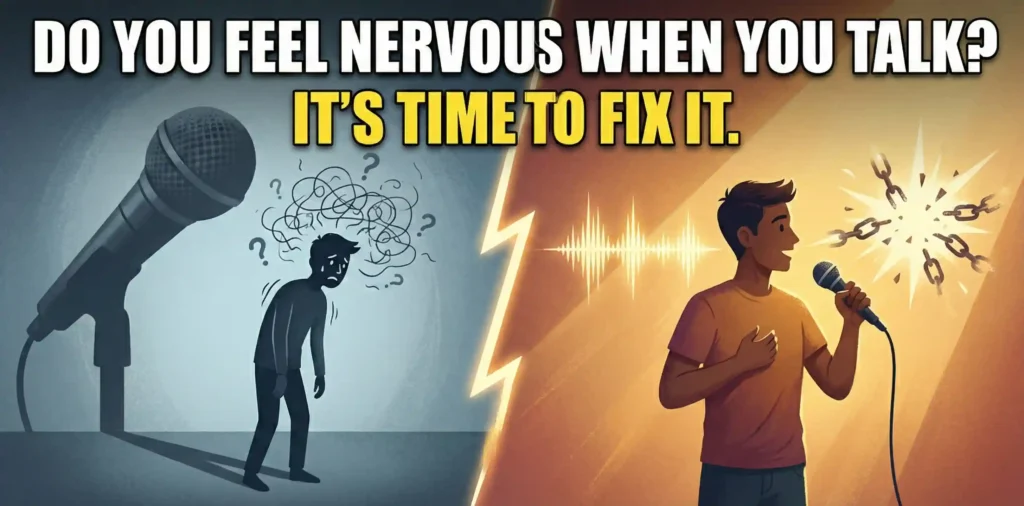
Effective communication is the backbone of any healthy relationship. Yet, many people unknowingly make mistakes that can lead to misunderstandings, hurt feelings, and even the breakdown of connections. Recognizing these pitfalls can significantly improve how we relate to one another.
Common communication mistakes include not listening actively, using sarcasm, and failing to express feelings. Understanding these issues can help enhance your interactions and strengthen your relationships, fostering deeper connections with those around you.
Communication Mistakes That Hurt Relationships
Effective communication is essential for healthy relationships, yet many individuals unknowingly make mistakes that can lead to misunderstandings and conflict. This section will highlight common communication errors and their impact, helping you recognize and address these issues before they escalate.
One significant mistake is failing to actively listen. Many people focus on formulating their response rather than fully understanding the other person’s perspective. This can lead to feelings of frustration and resentment. Another common error is using vague language. When messages are unclear, partners may misinterpret intentions, causing unnecessary tension.
Additionally, avoiding difficult conversations can create a buildup of unresolved feelings. This silence often leads to assumptions and misconceptions, further damaging the relationship. Lastly, being overly critical or negative during discussions can make the other person feel attacked, hindering open communication.
Recognizing these mistakes is the first step toward improving communication and fostering a healthier relationship dynamic.
Misunderstanding Non-Verbal Cues
Non-verbal communication plays a crucial role in how we understand one another. Oftentimes, people may overlook or misinterpret these cues, leading to misunderstandings that can damage relationships. This section addresses the significance of non-verbal signals and how to improve awareness of them to foster better connections.
Body language, facial expressions, and tone of voice can convey emotions and intentions that words alone may not express. For instance, crossed arms may signal defensiveness, while a warm smile can indicate openness. Failing to recognize these signals can lead to misinterpretations. An individual may feel rejected or unappreciated if their partner does not respond positively to their non-verbal cues.
To enhance communication, it is essential to become more aware of both your own non-verbal signals and those of others. Paying attention to how someone reacts physically during a conversation can provide valuable insights into their feelings. Additionally, practicing open body language can encourage trust and openness in your interactions.
By actively observing and interpreting non-verbal cues, individuals can create a more supportive environment that nurtures their relationships. Recognizing these signals can prevent conflicts and misunderstandings, ultimately leading to deeper connections.
Misinterpretation of Intent
Misunderstanding the intent behind someone’s words can create unnecessary tension in relationships. This often occurs when individuals project their feelings or experiences onto the speaker’s message, leading to a distorted interpretation. Recognizing and addressing this issue is essential for maintaining healthy communication.
One common example of misinterpretation is when a partner expresses frustration about a situation, and the listener perceives it as a personal attack. This can lead to defensive reactions rather than constructive dialogues. To avoid this pitfall, practice active listening by fully concentrating on what the speaker is saying without making assumptions about their intent.
Another strategy is to seek clarification before responding. If something seems off or unclear, ask questions to better understand the speaker’s perspective. This approach not only fosters open communication but also demonstrates respect and care for the other person’s feelings.
Lastly, be mindful of your own emotions when interpreting others’ words. Stress or anxiety can cloud judgment, leading to misinterpretations. Take a moment to breathe and assess the situation before reacting, ensuring that your response is based on the speaker’s actual intent rather than your emotional state.
Understanding Nonverbal Communication
Nonverbal communication plays a critical role in how we interact with others. It encompasses body language, facial expressions, eye contact, and tone of voice, all of which can significantly influence the message being conveyed. Misinterpretations in this area can lead to misunderstandings and conflicts in relationships.
One common mistake is failing to match verbal and nonverbal cues. For instance, if someone says they are happy but their body language is closed off, it sends mixed signals. This disconnect can create confusion and erode trust. Another issue arises when individuals misinterpret the nonverbal signals of others. For example, crossing arms might be perceived as defensiveness, but it could simply mean the person is cold or comfortable in that position.
Being aware of your own nonverbal signals is equally important. Maintaining eye contact can show engagement, while a lack of it may indicate disinterest. Practicing positive body language, such as open posture and nodding, can encourage better communication. Additionally, being mindful of cultural differences in nonverbal communication can help avoid unintentional offenses.
Improving nonverbal communication can strengthen relationships. By paying attention to both your cues and those of others, you can foster a more understanding and supportive environment.
Misunderstanding Nonverbal Cues
Nonverbal communication plays a crucial role in relationships. Often, people overlook the importance of body language, facial expressions, and tone of voice. Misreading these cues can lead to misunderstandings and conflict. Recognizing and accurately interpreting nonverbal signals can significantly improve communication.
Nonverbal cues can convey emotions and intentions that words may not express. For instance, crossed arms may indicate defensiveness, while eye contact can show interest and sincerity. If one partner is upset but not verbally expressing it, their body language can provide hints about their feelings. Misunderstanding these signals can lead to miscommunication and frustration.
To enhance understanding, it is important to be aware of your own nonverbal signals as well as those of your partner. Practicing active listening, being attentive to body language, and asking for clarification when unsure can help bridge gaps in communication. By focusing on both verbal and nonverbal cues, couples can foster a deeper connection and reduce the likelihood of misunderstandings.
Misunderstanding Nonverbal Cues
Nonverbal communication plays a crucial role in how we convey messages and emotions. Misinterpreting body language, facial expressions, and tone can lead to significant misunderstandings in relationships. This section focuses on the importance of being aware of these nonverbal signals and how they can impact communication.
For instance, crossed arms may be perceived as defensiveness, while maintaining eye contact can indicate engagement. However, cultural differences can affect these interpretations. To avoid confusion, consider the following tips:
- Be observant: Pay attention to your partner’s body language and facial expressions, as they can reveal feelings that words may not express.
- Clarify doubts: If you sense a disconnect between spoken words and nonverbal signals, ask for clarification to avoid assumptions.
- Match verbal and nonverbal signals: Ensure that your body language aligns with your words to convey sincerity and avoid mixed messages.
By enhancing your awareness of nonverbal cues and adjusting your own signals, you can foster clearer understanding and strengthen your relationship. This practice encourages open and honest communication, minimizing the chances of misunderstandings.
Misunderstanding Nonverbal Communication
Nonverbal communication plays a significant role in how we convey emotions and intentions. This section explores how misinterpretations of body language, facial expressions, and tone can lead to misunderstandings in relationships. Recognizing these signals is crucial for fostering a deeper connection and preventing conflicts.
Body language can often communicate more than words. For example, crossed arms might suggest defensiveness, while maintaining eye contact usually indicates openness. However, cultural differences can influence these interpretations. A gesture that is friendly in one culture may be offensive in another. Understanding these nuances is essential.
Facial expressions also convey important emotional information. A smile can indicate happiness, but it might also be used to mask discomfort. Being aware of the context of these expressions can help clarify intentions. Similarly, tone of voice can alter the meaning of a statement. A sarcastic tone may suggest humor, while a flat tone could imply disinterest or annoyance.
To improve nonverbal communication, consider the following tips: observe the other person’s body language, be mindful of your own expressions, and seek clarification when unsure. Open discussions about nonverbal cues can enhance mutual understanding and strengthen relationships.
Recognizing and Overcoming Communication Mistakes
Understanding the common communication mistakes that can damage relationships is essential for fostering a healthier connection. This section focuses on how to identify these pitfalls and offers practical strategies to overcome them. By addressing these issues proactively, individuals can strengthen their relationships and enhance their communication skills.
One significant mistake is ignoring non-verbal cues. Body language, facial expressions, and tone of voice often convey more than words. Pay attention to these signals to ensure your message is received as intended. Additionally, practice active listening. This means truly engaging with what the other person is saying, rather than planning your response while they speak.
Another common issue is making assumptions. Always clarify doubts instead of jumping to conclusions. Asking open-ended questions can help in understanding the other person’s perspective better. Additionally, avoid bringing up past grievances during discussions. Focus on the current issue to prevent unnecessary conflict.
Lastly, be mindful of your emotions. Practicing emotional regulation can prevent heated exchanges and help maintain a calm dialogue. Taking a moment to breathe and collect your thoughts before responding can lead to more constructive conversations.
Quick Summary
- Failure to actively listen can lead to misunderstandings and feelings of neglect.
- Using harsh or accusatory language can escalate conflicts and damage trust.
- Neglecting non-verbal cues, such as body language and tone, can create misinterpretations.
- Assuming your partner knows what you’re thinking can result in unmet expectations.
- Avoiding difficult conversations may lead to resentment and unresolved issues.
- Being overly critical can diminish your partner’s self-esteem and create distance.
- Not expressing appreciation or affection regularly can weaken emotional bonds.
Frequently Asked Questions
What are some common communication mistakes that can damage relationships?
Common mistakes include not actively listening, making assumptions, using harsh language, failing to express feelings, and avoiding difficult conversations. These behaviors can lead to misunderstandings and emotional distance.
How can I improve my listening skills in a relationship?
To improve your listening skills, practice active listening by giving your full attention, maintaining eye contact, and summarizing what your partner says to ensure understanding. Avoid interrupting and give feedback to show you value their perspective.
Why is expressing feelings important in communication?
Expressing feelings is crucial because it fosters intimacy and understanding in a relationship. When partners share their emotions openly, it helps prevent resentment and builds a stronger emotional connection.
What should I do if I unintentionally hurt my partner’s feelings?
If you unintentionally hurt your partner, acknowledge their feelings and apologize sincerely. It’s important to listen to their perspective and discuss how you can avoid similar mistakes in the future.
How can I approach difficult conversations without causing conflict?
Approach difficult conversations by choosing the right time and setting, using “I” statements to express your feelings without assigning blame, and remaining calm. Focus on finding solutions together rather than dwelling on problems.