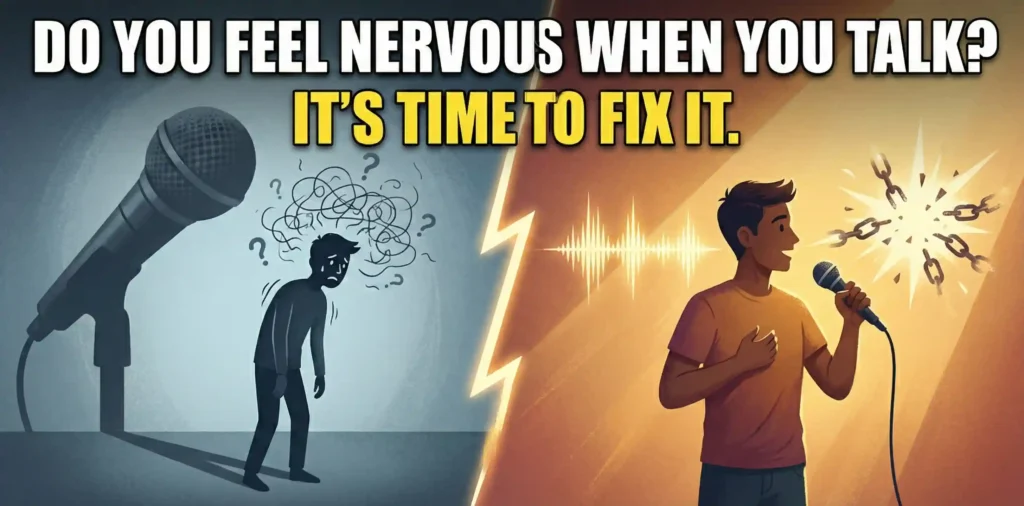
Have you ever felt your heart race or your palms sweat at the thought of talking to someone new? You’re not alone. Many people experience anxiety when it comes to social interactions, which can significantly impact personal and professional relationships.
Understanding the causes of fear in social situations is essential. Common triggers include past negative experiences, fear of judgment, and lack of confidence. Fortunately, there are effective solutions to overcome this fear, such as practicing mindfulness and gradual exposure to social settings.
Understanding the Fear of Talking to People
The fear of talking to people, often termed social anxiety, can significantly impact an individual’s personal and professional life. This section delves into the underlying causes of this fear, providing a clearer picture of why it happens. By recognizing these causes, individuals can better prepare themselves for overcoming their fears.
One primary cause of this fear is negative past experiences, such as being judged or criticized in social situations. These experiences can create lasting impressions, leading to anxiety in similar future interactions. Additionally, low self-esteem can contribute to feelings of inadequacy, making communication feel daunting. Individuals may worry excessively about being perceived poorly, which can further hinder their ability to engage with others.
Biological factors also play a role. Some people may have a predisposition to anxiety disorders, making them more susceptible to social fears. Environmental influences, such as upbringing in a highly critical or socially anxious family, can further exacerbate these feelings. Understanding these factors is crucial for those seeking to confront and manage their fears effectively.
Understanding the Fear of Talking to People
The fear of talking to people, often referred to as social anxiety, can stem from various underlying causes. Recognizing these causes is essential in addressing the fear effectively. This section delves into the psychological, environmental, and situational factors that contribute to this common issue.
One primary cause is negative past experiences. Individuals who have faced embarrassment, ridicule, or rejection during previous interactions may develop an aversion to social situations. These memories can create a mental barrier that hinders future communication efforts.
Low self-esteem also plays a significant role. Those who doubt their social skills or question their worth may avoid conversations, fearing negative judgment. This self-perception can become a self-fulfilling prophecy, leading to fewer social interactions and further reinforcing their fear.
Environmental factors, such as upbringing, can influence this fear as well. Children raised in overly critical or socially isolated environments may struggle to develop effective communication skills, leading to anxiety in social settings. Additionally, cultural influences can dictate how individuals perceive social engagement, with some cultures placing a higher emphasis on individualism and self-expression than others.
Understanding these causes is the first step toward overcoming the fear of talking to people. Identifying personal triggers can help individuals take proactive measures to improve their social confidence.
Understanding the Fear of Talking to People
The fear of talking to people, often referred to as social anxiety, stems from various causes that can significantly impact an individual’s confidence and communication skills. Recognizing these underlying factors is essential for addressing the issue effectively. This section delves into common causes that contribute to this fear, providing a clearer understanding of why it occurs.
One primary cause is the fear of judgment. Many individuals worry about how others perceive them, leading to heightened anxiety in social situations. This fear can be exacerbated by past negative experiences, such as being criticized or embarrassed during conversations. Another contributing factor is low self-esteem, where individuals may feel inadequate or unworthy of engaging in dialogue, fearing that they will not meet social expectations.
Additionally, perfectionism plays a role. Those who hold themselves to high standards may avoid speaking out due to the fear of making mistakes or not articulating their thoughts perfectly. Environmental influences, such as upbringing and social media exposure, can also foster insecurities, making social interactions feel daunting.
Understanding these causes is the first step towards overcoming the fear of talking to people. By acknowledging the roots of this anxiety, individuals can begin to work on practical solutions to improve their communication skills and confidence.
Identifying Triggers for Social Anxiety
Understanding the triggers behind the fear of talking to people is essential for effective management. Identifying these triggers can help in addressing the root causes of social anxiety. Common triggers often stem from past experiences, personal insecurities, or specific social situations that cause discomfort.
Many individuals find that certain scenarios provoke their fear more than others. For instance, speaking in large groups or initiating conversations with strangers can heighten anxiety levels. Additionally, personal insecurities, such as fear of judgment or concern about making mistakes, can contribute to the overall apprehension of social interactions.
To better understand your triggers, consider keeping a journal. Documenting your feelings before and after social interactions can reveal patterns and specific situations that cause anxiety. This approach provides valuable insights into what aspects of social communication are most challenging for you.
Moreover, discussing these triggers with a trusted friend or therapist can provide further clarity and support. They may help you recognize irrational fears and offer different perspectives. Through awareness and acknowledgment of these triggers, you can begin to develop strategies to confront and reduce your social anxiety.
Understanding Communication Anxiety
Communication anxiety is often at the heart of the fear of talking to people. This section delves into the nature of this anxiety, exploring its roots and how it manifests in social situations. Recognizing the signs of communication anxiety can empower individuals to take steps toward overcoming it.
Communication anxiety can stem from various factors, including past negative experiences, low self-esteem, or perfectionism. For some, the fear of being judged or misunderstood can lead to physical symptoms such as sweating, trembling, or a racing heart. These responses often create a cycle where anxiety leads to avoidance, further reinforcing the fear of social interactions.
Understanding how communication anxiety develops can help individuals address and manage their fears. By acknowledging that these feelings are common, one can begin to implement strategies to cope with them. Techniques such as deep breathing, positive self-talk, and gradual exposure to social situations can significantly reduce anxiety over time.
Additionally, seeking support from friends, family, or mental health professionals can provide valuable perspectives and encouragement. Overcoming communication anxiety is a process, but with persistence and the right tools, individuals can enhance their confidence in social settings.
Understanding the Role of Self-Perception
Self-perception plays a significant role in the fear of talking to people. How individuals view themselves can deeply influence their confidence and willingness to engage in conversations. This section explores how self-image affects social interactions and offers practical strategies to enhance self-perception.
Many people who struggle with social anxiety have a negative self-image. They may believe they are uninteresting or inadequate, which can prevent them from initiating conversations. This negative perception is often rooted in past experiences or critical feedback received from others. Recognizing and addressing these beliefs is crucial for overcoming fear.
Improving self-perception can involve various approaches. One effective method is to challenge negative thoughts. Individuals can write down these thoughts and counter them with positive affirmations. For instance, if someone thinks, “I always embarrass myself,” they can rewrite this to, “I have valuable insights to share.” Also, engaging in activities that boost self-esteem, such as pursuing hobbies or volunteering, can foster a more positive self-image.
Additionally, seeking feedback from trusted friends can provide a more balanced perspective. Understanding that others may not share the same critical view can be liberating. Ultimately, developing a healthier self-image is a gradual process that significantly enhances one’s ability to communicate effectively with others.
Understanding the Role of Environment
The environment plays a significant role in shaping our comfort level with social interactions. This section explores how various settings can influence the fear of talking to people and suggests ways to create more positive environments for communication.
Different environments can either heighten anxiety or foster a sense of ease. For instance, crowded places may increase feelings of vulnerability and fear, while familiar settings can promote comfort. Factors such as lighting, noise levels, and overall ambiance contribute to how individuals perceive social situations.
To address these environmental influences, consider the following strategies:
- Choose Comfortable Settings: Opt for quieter, more familiar places when engaging in conversations, especially if anxiety is prevalent.
- Control Your Surroundings: Modify your environment by reducing distractions, such as turning off background music or finding a secluded area.
- Practice in Varied Environments: Gradually expose yourself to different social settings to build your confidence over time.
By being mindful of the environment, you can significantly reduce anxiety and improve your ability to engage in conversations with others. Creating a supportive atmosphere is key to overcoming the fear of talking to people.
Overcoming Fear of Talking to People
This section discusses effective strategies to help individuals overcome their fear of talking to people. Addressing this fear can significantly enhance social interactions and improve overall communication skills. By understanding practical methods, individuals can gradually build confidence and reduce anxiety in social situations.
One effective strategy is gradual exposure. Start by engaging in low-pressure situations, such as small talk with a cashier or talking to a colleague. As comfort levels increase, gradually move to more challenging interactions, such as initiating conversations at social gatherings.
Another approach is to practice active listening. By focusing on what others are saying, individuals can shift their attention away from their own anxiety. This not only improves communication but also fosters deeper connections with others.
Developing a positive mindset is crucial. Replacing negative thoughts with affirmations can help build self-esteem. Remind yourself that everyone makes mistakes and that social interactions are learning experiences.
Additionally, joining groups or classes that focus on social skills can provide a supportive environment to practice communication. These settings often encourage participation and provide constructive feedback, making it easier to face social fears.
Overcoming Fear of Talking to People
Addressing the fear of talking to people requires a proactive approach. By employing various strategies and techniques, individuals can gradually reduce their anxiety and build confidence in social situations. This section outlines effective methods that can help anyone facing this challenge.
One powerful technique is exposure therapy, where individuals intentionally place themselves in social situations that provoke anxiety. Start small, perhaps by initiating brief conversations with acquaintances or participating in group activities. Gradually increase the complexity of these interactions as confidence grows.
Another helpful approach is practicing mindfulness and relaxation techniques. Engaging in deep breathing exercises or meditation can help calm nerves before social interactions. This mental preparation can create a more relaxed mindset, making conversations feel less daunting.
Role-playing scenarios with a trusted friend or family member can also be beneficial. By rehearsing potential conversations, individuals can become more comfortable with various social dynamics and responses. This practice can reduce feelings of uncertainty when engaging with others.
Finally, setting realistic goals for social interactions can create a sense of achievement. Acknowledge even small successes, as this positive reinforcement can motivate continued progress. Over time, these strategies can significantly decrease the fear of talking to people, leading to more fulfilling social experiences.
Quick Summary
- Social anxiety often stems from fear of judgment or negative evaluation by others.
- Feeling unprepared or lacking social skills can exacerbate the fear of talking to people.
- Physical symptoms such as sweating or increased heart rate can make social interactions daunting.
- Gradual exposure to social situations can help reduce anxiety over time.
- Practicing active listening and conversation skills can boost confidence.
- Seeking professional help, such as therapy or counseling, can provide effective coping strategies.
- Building a support network of understanding friends can make it easier to engage socially.
Frequently Asked Questions
What causes fear of talking to people?
The fear of talking to people, often referred to as social anxiety, can stem from various factors including past negative experiences, low self-esteem, or the fear of being judged. It may also be influenced by genetics and environmental factors, such as upbringing and social interactions.
How can I recognize if I have a fear of talking to people?
Common signs include excessive worrying about social interactions, physical symptoms like sweating or trembling before speaking, and avoidance of social situations. If these feelings interfere with daily life or personal relationships, it may indicate a fear of talking to people.
What are some practical solutions to overcome this fear?
Gradual exposure to social situations, practicing deep breathing techniques, and seeking support from friends or professionals can be effective. Engaging in role-playing scenarios or joining social skills groups may also help build confidence in communication.
Can therapy help with fear of talking to people?
Yes, therapy, particularly cognitive-behavioral therapy (CBT), is highly effective in treating social anxiety. A therapist can help identify negative thought patterns and teach coping strategies to manage anxiety in social situations.
Are there any self-help techniques to reduce this fear?
Self-help techniques such as journaling about social experiences, setting small social goals, and practicing mindfulness can be beneficial. Additionally, reading self-help books or engaging in online forums can provide support and strategies for overcoming anxiety.