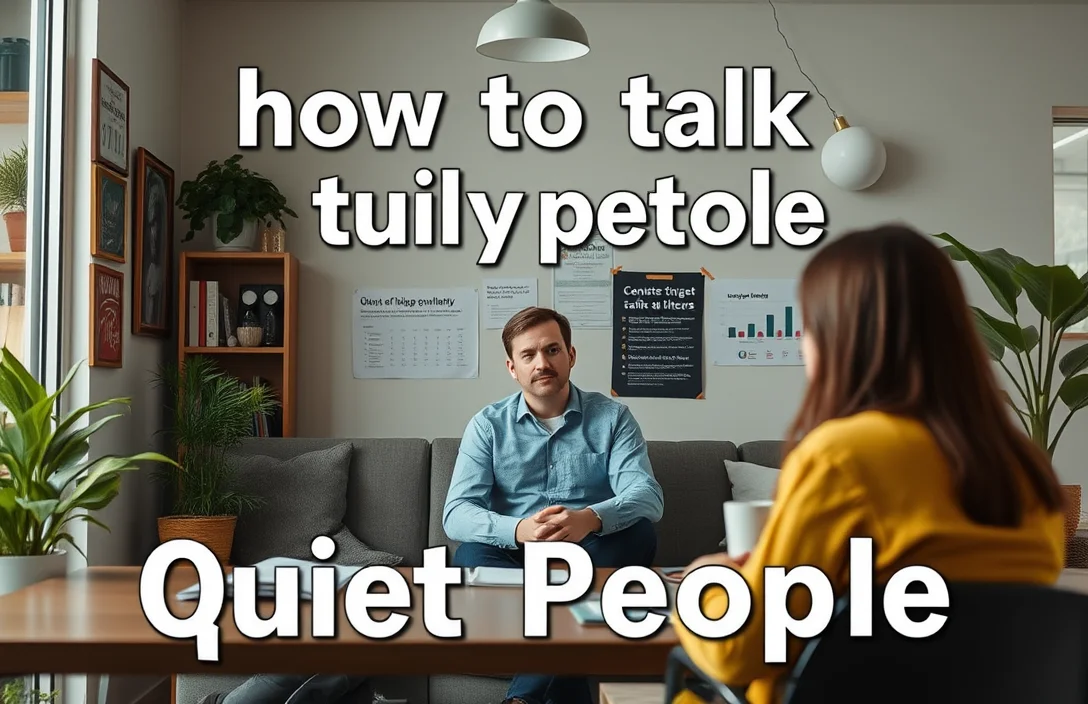
Connecting with quiet individuals can be challenging but rewarding. Understanding their unique communication style is essential for building rapport. This article will equip you with practical techniques to engage effectively and create meaningful conversations that resonate with those who may be more reserved.
To talk to quiet people, focus on creating a comfortable environment, asking open-ended questions, and actively listening. Show genuine interest in their thoughts and feelings, allowing them to share at their own pace without pressure.
Understanding Quietness
Quietness can manifest in different ways, influenced by personality, environment, and cultural background. Recognizing these nuances is essential for effective communication with quiet individuals. This section will explore the characteristics of quiet people and debunk common myths surrounding quietness.
Characteristics of Quiet People
Quiet people often display specific traits that set them apart. They may be reflective and thoughtful, preferring to listen rather than speak. This can lead to a deep understanding of conversations and a unique perspective on various issues. Quiet individuals may also be observant, picking up on subtleties that others might miss, and they often require more time to process their thoughts before sharing them.
Myths about Quietness
Several misconceptions surround quiet individuals. One common myth is that they are shy or unfriendly, which can deter others from engaging with them. In reality, many quiet people are simply comfortable in silence and may prefer meaningful conversations over small talk. Another myth is that they lack confidence; however, quiet individuals can be self-assured and assertive in their own way. Understanding these myths can help foster better communication and relationships with quiet people.
Recognizing Communication Styles
Understanding different communication styles is essential when interacting with quiet individuals. These individuals often express themselves in unique ways, combining verbal and non-verbal cues. Recognizing these styles can help foster more meaningful conversations.
Verbal vs. Non-verbal Communication
Quiet individuals may lean towards non-verbal communication, using body language and facial expressions to convey their feelings. While they may not speak often, their gestures can be quite telling. Here are some typical characteristics:
- Soft-spoken: Quiet individuals often communicate in a gentle tone, making it necessary to listen closely.
- Concise responses: They may provide short, direct answers rather than elaborate explanations.
- Body language: Non-verbal cues like eye contact, nodding, or fidgeting can signal their level of comfort and engagement.
Active Listening Techniques
Effective communication involves not just speaking but also listening. Here are ways to enhance active listening with quiet individuals:
- Maintain eye contact to show attentiveness.
- Give them time to express their thoughts without interruptions.
- Paraphrase what they say to confirm understanding and encourage further sharing.
More Post: 7 Polite Ways to End Conversations Gracefully Without Offense
Creating a Comfortable Environment
Establishing a comfortable atmosphere is essential for encouraging open dialogue with quiet individuals. This section outlines practical ways to eliminate distractions and choose settings that foster effective communication. By creating a welcoming environment, you increase the likelihood of engaging in meaningful conversations.
Eliminating Distractions
Distractions can hinder communication and make quiet individuals feel overwhelmed. Focus on minimizing outside noise and interruptions. Here are some effective strategies:
- Turn off or silence electronic devices, such as phones and computers.
- Choose a quiet location, away from bustling areas or loud groups.
- Limit visual distractions, such as bright lights or busy decorations.
Choosing Appropriate Settings
The choice of setting plays a crucial role in how comfortable someone feels during a conversation. Consider the following factors:
- Opt for informal spaces, like a cozy café or a quiet park, rather than formal environments.
- Ensure seating arrangements are conducive to conversation, such as facing each other or sitting side by side.
- Timing is key; select moments when the individual is relaxed and not preoccupied with other tasks.
Starting the Conversation
Initiating dialogue with quiet individuals can be approached in a thoughtful manner. Understanding how to start the conversation is essential for building connections and encouraging engagement. By employing open-ended questions and using humor effectively, you can create a welcoming atmosphere that invites quiet people to share their thoughts.
Open-Ended Questions
Open-ended questions encourage more than just a yes or no response. These types of questions allow quiet individuals to express themselves more fully. For example, instead of asking “Did you like the movie?”, you might ask “What did you think about the movie’s message?” This approach not only opens the door for deeper conversation but also shows that you value their opinion.
Using Humor Effectively
Humor can be a powerful tool when initiating a conversation with quiet people, as it helps to break the ice. A light-hearted comment or a funny observation can lighten the mood and make the other person feel more at ease. However, it’s crucial to be mindful of the type of humor used; it should be inclusive and not at anyone’s expense. A well-timed joke can pave the way for more relaxed and enjoyable interactions.
Encouraging Deeper Engagement
Creating an environment where quiet individuals feel comfortable sharing their thoughts is essential. By employing specific techniques, you can foster trust and connection, encouraging them to engage more deeply in conversations. This section highlights two key strategies: building trust and using reflective listening.
Building Trust
Trust is the foundation of any meaningful conversation. To build trust with quiet individuals, start by being genuinely interested in their perspectives. Maintain eye contact and use open body language to show that you are approachable. Share your own experiences and vulnerabilities to create a safe space for them to open up. It may also be helpful to ask open-ended questions, allowing them to express themselves at their own pace.
Using Reflective Listening
Reflective listening involves actively summarizing and paraphrasing what the other person has said. This technique not only demonstrates that you are paying attention but also encourages the speaker to elaborate further. For instance, you might say, I hear you saying that you feel overwhelmed by your workload. Is there a specific aspect that you find most challenging? This approach validates their feelings and invites them to share more, enhancing the depth of the conversation.
Real-Life Interaction Scenarios
Understanding how to engage with quiet individuals can be enhanced by examining real-life interaction scenarios. These examples illustrate effective communication strategies that foster connections and encourage participation in various settings.
Workplace Conversations
Consider a team meeting where one member, Sarah, is known for her thoughtful input but often remains silent during discussions. The team leader decided to implement a practice of inviting Sarah to share her thoughts after presenting a topic. By allowing her time to reflect and respond, her contributions became more frequent and impactful. This approach not only empowered Sarah but also enriched the team’s dialogue.
Social Gatherings
At a birthday party, John noticed a quiet guest, Emily, standing apart from the group. Instead of forcing her into conversations, he approached her with a simple, open-ended question about her interests. This non-intrusive method allowed Emily to share her passion for photography. The conversation flowed naturally, making her feel included and valued without pressure. Others soon joined, creating a welcoming atmosphere around her.
Comparing Engagement Strategies
Understanding how to engage with quiet individuals compared to more vocal ones can significantly enhance communication effectiveness. Different strategies cater to varied personality types, influencing the success of interactions. This section will analyze direct and indirect approaches, helping you tailor your communication style for better engagement.
Direct vs. Indirect Approaches
Direct approaches often involve straightforward questions and prompts, encouraging quiet individuals to share their thoughts. This method can be effective in drawing out their opinions, especially in a one-on-one setting. In contrast, indirect approaches may include open-ended discussions that allow quieter individuals to contribute at their own pace, fostering a comfortable environment.
Adapting to Personality Types
Recognizing different personality types is crucial. Extroverts typically thrive in dynamic conversations and may dominate discussions, while introverts may prefer reflective moments before responding. Tailoring your strategy can make a difference; for instance, engaging quiet individuals in smaller groups or during low-pressure settings can lead to more meaningful exchanges.
Ultimately, combining both direct and indirect strategies while being mindful of personal dynamics can create a balanced approach that respects individual communication styles, leading to more fruitful interactions.
Quick Summary
- Be patient and give them time to express themselves.
- Ask open-ended questions to encourage conversation.
- Create a comfortable environment to help ease their anxiety.
- Practice active listening to show that you value their input.
- Avoid putting them on the spot; allow for pauses in conversation.
- Share your own thoughts and experiences to foster connection.
- Respect their communication style and don’t pressure them to speak more than they are comfortable with.
Frequently Asked Questions
How can I approach a quiet person without making them uncomfortable?
Start with a friendly smile and a simple greeting to create a welcoming atmosphere. Ask open-ended questions that allow them to share their thoughts at their own pace.
What topics are best to discuss with someone who is quiet?
Begin with neutral subjects like hobbies, interests, or current events. Pay attention to their responses and delve deeper into topics that seem to pique their interest.
Should I give a quiet person time to respond, and how long is appropriate?
Yes, it’s important to give them time to gather their thoughts. Allow a pause of a few seconds after asking a question, as this can help them feel more comfortable to speak up.
How can I encourage a quiet person to share more during conversations?
Use affirming body language and active listening to show that you value their input. You can also gently prompt them with follow-up questions that invite them to elaborate on their ideas.
What should I avoid when talking to someone who is quiet?
Avoid interrupting or speaking over them, as this can make them feel dismissed. Also, steer clear of overly personal questions early on, as this may cause discomfort.



1 thought on “5 Effective Strategies to Connect with Quiet People Today”