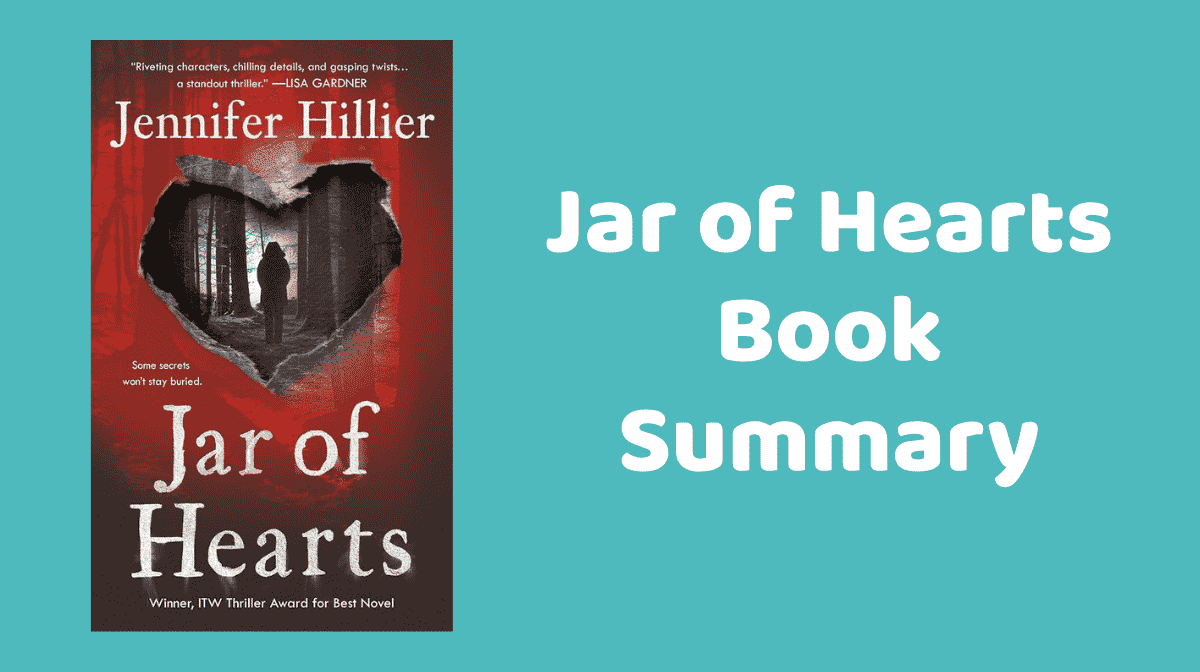
It’s a wild ride, full of twists and turns that’ll keep you guessing until the very end. If you love a story that digs deep into friendship, betrayal, and the messy stuff of life, you’re in for a treat.
We’ll break down what this book is all about, who wrote it, and why it’s become such a popular read. Think of me as your friend spilling all the tea over coffee, without giving away every single surprise. We’ll cover the main ideas, what you can learn from it, and even where some people find it falls a bit short.
Ready? Let’s dive into the world of “Jar of Hearts.”
This book hit the shelves and people couldn’t stop talking about it. Its popularity exploded because it tapped into some really raw emotions. It’s about intense friendships, the kind that feel like family, but also the kind that can shatter into a million pieces.
If you’ve ever felt the sting of a broken bond or wondered about the secrets people keep, this story will resonate.
Who should pick this one up? Anyone who enjoys a good thriller with a strong emotional core. Readers who like a bit of darkness mixed with their mysteries will find a lot to love here.
If you’re into stories about female friendships and the complicated dynamics within them, this is definitely a must-read.
Quick Book Overview
| Item | Details |
|---|---|
| Book Title | Jar of Hearts |
| Author | Jennifer Hillier |
| Published Year | 2018 |
| Genre | Thriller, Psychological Thriller, Mystery |
| Main Theme | Friendship, betrayal, secrets, trauma, revenge |
| Reading Difficulty | Moderate |
| Best For | Fans of intense thrillers, stories about friendship secrets, and dark mysteries |
| Key Takeaway | The lasting impact of past choices and the lengths people go to protect themselves and seek justice |
About the Author
Jennifer Hillier is a name that’s become synonymous with gripping thrillers. She’s known for crafting stories that are both suspenseful and deeply human. Her background actually informs her writing; she’s spent time working in the death penalty world.
This experience gives her a unique perspective on crime, justice, and the darker aspects of human nature.
Hillier has a talent for creating characters that feel incredibly real, even when they’re in the most unbelievable situations. Her expertise really shines through in how she builds suspense and explores the psychological toll on her characters. Her breakout novel was “The Butcher,” but “Jar of Hearts” is arguably the book that really put her on the map for many thriller fans.
Readers trust Jennifer Hillier because she doesn’t shy away from difficult themes. Her books are often praised for their clever plotting and satisfying, if sometimes chilling, conclusions. She has a way of making you think about the “why” behind crimes, not just the “who” and “how.”
What Is This Book About?
At its heart, “Jar of Hearts” explores the dangerous fallout of a shared secret between childhood friends. The central idea is about how our past actions, especially the ones we try to bury, have a way of coming back to haunt us. This book really digs into the idea that some wounds never truly heal.
The main problem the book tackles is the devastating impact of betrayal and trauma on close relationships. It shows how deeply interconnected our lives are, and how one person’s choices can unravel everything. It’s about the secrets we keep, the guilt we carry, and the lengths we will go to protect ourselves and the people we love.
Hillier’s philosophy here seems to be that everyone has a breaking point. She explores the dark side of human nature, but also the resilience and fierce protectiveness that can emerge when people are pushed to their limits. The book’s overall message is that the past always catches up with you, and sometimes, the only way to find peace is to confront the darkness head-on.
It’s a powerful reminder that our choices have consequences, and forgiveness, if it comes at all, is a complex journey.
Chapter-by-Chapter Summary
Okay, let’s break down the journey of “Jar of Hearts.” It’s not a light read, but it’s so absorbing. The story primarily follows Georgia, who has tried to build a new life for herself after a traumatic event involving her best friend, Georgina.
Part 1: The Past Comes Knocking
Main Idea: This section sets up the core conflict and introduces us to Georgia, who is trying to live a normal life years after a horrific event involving her childhood best friend, Georgina. But the past just won’t stay buried.
Important Lessons: The deep roots of friendship can be hard to sever, even when they’re toxic. Trauma can shape a person’s entire identity and their ability to form new relationships. The justice system isn’t always fair, and sometimes people take matters into their own hands.
Key Quotes or Concepts: The “jar of hearts” itself is a symbolic representation of the shared secrets and dark pacts the girls made. This part establishes the childhood pact and the devastating event that tore their worlds apart.
Real-Life Examples: Think about how childhood friendships can feel like lifelong commitments. When something terrible happens, it can scar those bonds forever, making it hard to move on. This is that feeling amplified.
Practical Applications: It shows us how important it is to process past traumas. Ignoring them doesn’t make them disappear; they fester and can impact your future. It also highlights the importance of seeking support.
Part 2: The Killer’s Shadow
Main Idea: A serial killer known as the “Sweetheart Killer” begins a new spree, and all signs point to him being connected to Georgina’s past and Georgia’s present. This brings Georgia back into the orbit of the investigation and forces her to confront her history.
Important Lessons: The concept of “nature versus nurture” often comes up in these kinds of stories. Is someone inherently bad, or are they made that way by their experiences? This section also explores the obsessive nature of serial killers and the psychological games they play.
Key Quotes or Concepts: The fear of repeating history is palpable. There’s a growing sense of dread as the killer’s methods mirror the past, forcing Georgia to question everything she thought she knew. The police investigation really ramps up, but they’re often a step behind.
Real-Life Examples: We see this mirrored in real-life serial killer cases where investigators look for patterns and connections to past crimes. The public fear and media frenzy that surrounds such events also play a role.
Practical Applications: This part illustrates how unresolved issues can become a magnet for further trouble. It underscores the need for closure and confronting dangerous situations rather than hoping they’ll resolve themselves.
Part 3: Unraveling the Truth
Main Idea: As the body count rises, Georgia gets pulled deeper into the investigation, working closely with Detective Helen Reyes. They start to uncover startling connections between the new murders and the tragic events of their past. The narrative actively jumps between Georgia’s present and flashbacks to her youth.
Important Lessons: Never underestimate the capacity for deception, even in those closest to you. The narrative masterfully uses misdirection, making you question who the real villain is. The idea that people do terrible things for survival or twisted forms of love is explored intensely.
Key Quotes or Concepts: The “then and now” structure is crucial here. Flashbacks reveal more about the dynamics between Georgia and Georgina, their secrets, and the events leading up to the initial crime. The reader starts to see how the past has shaped everyone involved.
Real-Life Examples: This is like real-life cold cases where new evidence or a copycat crime suddenly sheds new light on old mysteries. It shows how intricately connected human lives can be, even across years and trauma.
Practical Applications: It teaches us that truth is often layered and hidden. To understand a current problem, you often need to dig into its historical roots. Open communication and shared vulnerability are key to healthy relationships.
Part 4: The Confrontation
Main Idea: The climax of the story arrives as Georgia, Detective Reyes, and the killer collide. The truth about what really happened all those years ago, and the killer’s motivations, are finally revealed. It’s a high-stakes, full-throttle confrontation.
Important Lessons: Revenge can be a powerful, consuming force, but it rarely brings lasting peace. The book explores the idea of justice versus vengeance. Sometimes the true monsters are the ones hiding in plain sight.
Key Quotes or Concepts: The final confrontation is brutal and emotional. The motivations behind the killer’s actions are exposed, revealing a complex web of manipulation and desperation. The narrative wraps up by showing the aftermath of this intense discovery.
Real-Life Examples: This is where the book’s themes of confronting your demons come to a head, much like in real-life situations where people have to face the consequences of their actions or seek resolution after immense pain.
Practical Applications: It reinforces the idea that true healing requires facing unpleasant truths. It also shows that sometimes, you have to fight for what’s right, even when it’s terrifying.
What Readers Can Learn
This book isn’t just a thrilling story; it’s packed with insights. One of the biggest things you learn is about the enduring power of trauma. It shows how past experiences, even from childhood, can echo through a person’s life and influence their decisions for years.
You also learn a lot about the complexities of female friendship. The bond between Georgia and Georgina is intense and central to the plot. It explores that deep connection but also how it can curdle when secrets and betrayal enter the picture.
It’s a stark reminder that not all friendships are healthy or meant to last.
The book also delves into the idea of justice and revenge. It asks whether the legal system always provides the justice people deserve and explores how far someone might go when they feel the system has failed them. It’s a thought-provoking look at morality and the gray areas of right and wrong.
Furthermore, “Jar of Hearts” highlights the importance of recognizing and addressing hidden issues. The secrets that Georgia and Georgina keep have profound, destructive consequences. It’s a cautionary tale about how lies and omissions can fester and ultimately destroy lives.
Finally, there’s a lesson in resilience. Despite the immense trauma and darkness they face, the characters, particularly Georgia, exhibit incredible strength. They endure incredible hardship and are forced to confront their worst nightmares.
It shows the human capacity to survive and, in some cases, even find a way to move forward, though not without scars.
Biggest Lessons From The Book
-
Past Trauma Never Truly Dies: This is HUGE. The events from Georgia and Georgina’s childhood don’t just fade away; they shape everything that comes after. Even when you think you’ve escaped, the past finds a way to drag you back.
- Why it matters: Understanding this helps us recognize why certain people react to situations the way they do. It’s not always about the present moment; it’s often about deeply rooted pain.
- Real-life example: Someone who experienced a car accident might develop a phobia of driving, even years later.
- How to apply: Acknowledge your own past hurts. Don’t just push them down. Seek healthy ways to process them, maybe through therapy or talking to someone trusted.
-
Friendships Can Be Dangerous: The bond between Georgia and Georgina is portrayed as all-consuming, but it’s also built on a foundation of dark secrets. Not all friendships are healthy, and some can be incredibly toxic.
- Why it matters: We need to be aware of the dynamics in our own friendships. Are they lifting you up or dragging you down?
- Real-life example: A friend who constantly enables bad behavior or encourages risky actions.
- How to apply: Regularly evaluate your friendships. If a relationship feels draining, manipulative, or unsafe, it’s okay to create distance.
-
Secrets Have a Price: The core of the story revolves around secrets that the girls kept. These secrets don’t protect them; they fester and lead to more pain.
- Why it matters: Living with secrets is exhausting and can lead to immense guilt and anxiety. Honesty, while sometimes painful, is often liberating.
- Real-life example: Keeping a lie about a mistake at work that eventually gets discovered, causing bigger repercussions.
- How to apply: Practice radical honesty in your life. If you make a mistake, own it. Communicate openly and truthfully with loved ones.
-
Justice Isn’t Always Simple: The book questions whether the legal system provides adequate justice for victims. It makes you ponder the line between justice and revenge.
- Why it matters: It highlights that our perception of justice can be very personal, often driven by emotion and the desire for closure.
- Real-life example: Families of crime victims who feel the perpetrator didn’t receive a sufficient sentence.
- How to apply: Understand that legal outcomes don’t always align with emotional needs for justice. Focus on your own healing and finding peace without necessarily seeking vengeance.
-
The Ripple Effect of Violence: The story shows how one violent act can have devastating consequences that ripple outwards, affecting multiple lives and even inspiring future acts.
- Why it matters: It emphasizes the interconnectedness of human actions and the profound impact of violence on individuals and communities.
- Real-life example: The cycle of gang violence, where one act leads to retaliation.
- How to apply: Be mindful of the impact of your actions and words. Advocate for peace and de-escalation in your own life and community.
-
Appearance Can Be Deceiving: The antagonist isn’t always obvious. Sometimes the people who seem the most innocent or unassuming are hiding the darkest intentions.
- Why it matters: This reminds us not to judge a book by its cover. You never truly know what someone else is going through or capable of.
- Real-life example: A seemingly friendly neighbor with a hidden sinister motive.
- How to apply: Practice empathy and avoid making snap judgments about people. Be aware of your surroundings and trust your intuition.
-
Resilience Isn’t the Absence of Pain: Georgia endures horrific trauma, but her survival isn’t about being unaffected. It’s about continuing to live despite the overwhelming pain.
- Why it matters: It reframes resilience not as being tough or emotionless, but as the capacity to endure and keep going when life is incredibly difficult.
- Real-life example: Someone who has survived a serious illness and still finds joy in life, despite ongoing challenges.
- How to apply: Recognize that healing is a process. It’s okay to struggle, to feel pain, and to take things one day at a time. Your strength is in your perseverance.
-
Certain Pacts Are Never Meant to Be Kept: The “jar of hearts” represents a bond or pact made in childhood that becomes a horrifying burden in adulthood. Some promises should be broken.
- Why it matters: It highlights how childhood naivety or desperation can lead to agreements that are harmful or impossible to uphold later in life.
- Real-life example: A childhood promise to marry someone that you realize years later is not a good fit.
- How to apply: Be cautious with absolute promises, especially concerning serious matters. Understand that people and circumstances change, and it’s okay to release yourself from harmful commitments.
-
The Psychological Toll of Crime: The book shows how being involved in crime, whether as a victim, witness, or perpetrator, leaves deep psychological scars.
- Why it matters: It emphasizes that crime isn’t just an event; it’s an experience that profoundly impacts mental well-being.
- Real-life example: The long-term anxiety and PTSD experienced by victims of violent crime.
- How to apply: Be supportive of individuals who have experienced trauma or are involved in the criminal justice system, recognizing the profound psychological impact.
-
The Need for Closure: For Georgia, finding the truth isn’t just about solving a mystery; it’s about achieving some form of closure for the trauma she endured.
- Why it matters: Unresolved past events can cripple a person’s ability to move forward and find peace.
- Real-life example: A person who finds peace after locating a lost family heirloom that represents a connection to their past.
- How to apply: Actively seek resolution for unresolved issues in your life. This might involve seeking answers, confronting difficult truths, or making peace with what you cannot change.
-
Trust is Earned, Not Given: Georgia has difficulty trusting people due to her past. The book shows the slow, painstaking process of building genuine trust.
- Why it matters: A lack of trust can isolate individuals and prevent them from forming healthy relationships.
- Real-life example: Someone who struggles to let new partners get close after a painful breakup.
- How to apply: Be patient in building trust, both in yourself and in others. Recognize that genuine connection takes time and vulnerability.
-
Family Can Be Complicated: The concept of family in “Jar of Hearts” extends beyond blood relatives, including the bonds formed by intense friendship, but also the complexities that arise when those bonds are broken.
- Why it matters: It shows that chosen family can be as powerful, if not more powerful, than biological family, for better or worse.
- Real-life example: Close friends who support each other through thick and thin, acting like a family.
- How to apply: Nurture your chosen family, but also recognize when these relationships become detrimental.
Most Powerful Quotes And Their Meaning
“We were a jar of hearts, and we kept them all to ourselves.”
- What it means: This quote, tied to the book’s title, signifies the deep, almost sacred bond between Georgia and Georgina in their youth. It suggests they shared everything, especially their secret burdens and hidden emotions, keeping them locked away from the outside world.
- Why it matters: It establishes the intense intimacy and shared isolation that defines their friendship. It’s both beautiful and ominous, hinting that what’s kept inside can harden.
- How it applies in daily life: This reminds us about the power of shared experiences and secrets. It can also be a warning about the dangers of keeping too much inside, especially from those who care about you. Are your “hearts” truly shared, or just buried?
“Some wounds are too deep to ever truly heal.”
- What it means: This is a stark and honest observation about the lasting impact of severe trauma. It suggests that certain experiences leave indelible marks that will always be a part of who you are, even if you learn to live with them.
- Why it matters: It validates the struggles of people who live with chronic pain or trauma. It’s a realistic take, moving beyond the idea that every wound can be perfectly mended.
- How it applies in daily life: It helps us approach ourselves and others with more compassion. We shouldn’t expect everyone to just “get over” major hardships. It also encourages us to accept that some things will change us permanently.
“The truth doesn’t always set you free. Sometimes it just locks the cage.”
- What it means: This quote challenges the common adage. In the context of the book, uncovering the truth might bring clarity, but it also brings the harsh reality and consequences of past actions, trapping characters in a new, albeit different, kind of reality.
- Why it matters: It speaks to the complex nature of truth and justice. Revelation isn’t always a positive endpoint; it can be the beginning of dealing with severe repercussions.
- How it applies in daily life: Sometimes, knowing a harsh truth about a situation or a person can be more painful than not knowing. It might force you into uncomfortable actions or feelings you can’t escape.
Key Concepts Explained Simply
The “Jar of Hearts” Metaphor: Imagine you and your best friend decide to collect little pieces of your hearts, maybe a bad memory you’ll never forget, a secret you swore to keep, or a pact you made. You put them all into a special jar. This jar is a symbol of your intense, shared secrets and your unique bond.
But what happens when that jar becomes too heavy? What if some of those “hearts” are full of pain, guilt, or darkness? That’s the metaphor for the deeply intertwined, and ultimately dangerous, bond between Georgia and Georgina.
It represents how shared secrets can become a suffocating burden.
Trauma Bonding: This is when people form a strong emotional connection through experiencing shared trauma. The intensity of the shared experience can create a bond that feels unbreakable, even if the relationship is unhealthy or abusive. In “Jar of Hearts,” the horrific event the girls experience together is a prime example of trauma bonding.
It ties them together in a way that defies logic and healthy boundaries.
Nature vs. Nurture: This classic debate asks whether our behavior is determined by our genetics and biology (nature) or by our upbringing and environment (nurture). The book plays with this by presenting characters who seem to have a predisposition towards certain behaviors, but also shows how their life experiences, particularly early trauma, shape them dramatically.
It doesn’t give a simple answer but explores how both can play a role in creating someone’s character and actions.
How To Apply The Book In Real Life
“Jar of Hearts” isn’t just a story to be read and forgotten; it offers practical wisdom. You can definitely use its lessons to improve your own life.
Daily Habits:
- Practice Radical Honesty: Take a few minutes each day to reflect on your interactions. Did you communicate truthfully? Even small white lies can build up. Commit to being more upfront about your feelings and actions.
- Mindful Friendship Check-in: Briefly consider your closest friendships. Do they feel supportive and healthy? Just a quick mental note can help you stay aware of unhealthy dynamics.
Weekly Habits:
- Trauma Processing Time: Dedicate an hour each week to actively address past hurts. This could involve journaling, meditation, or talking to a therapist. Don’t let those “jars of hearts” overflow unattended.
- Boundary Review: Look at the boundaries you have (or don’t have) in your relationships. Are they serving you? Adjust them to protect your well-being, just as characters in the book learn they needed to.
Mindset Shifts:
- Embrace Imperfect Healing: Understand that healing from trauma isn’t a linear process with a perfect end. It’s okay to have bad days. Shift your mindset from “fixing” to “managing and growing.”
- Question Your Assumptions: The book is full of misdirection. Practice this in life by not jumping to conclusions about people or situations. Give yourself and others the benefit of the doubt until you have solid information.
Communication Techniques:
- Assertive, Not Aggressive: Learn to state your needs and feelings clearly and respectfully. This helps prevent the kind of suppressed anger and miscommunication that fuels the book’s plot.
- Active Listening: When someone talks, truly listen. Try to understand their perspective, even if you don’t agree. This builds connection and prevents misunderstandings.
Leadership Lessons:
- Transparency Builds Trust: Leaders who are open about challenges and decisions, within reason, build stronger teams. This combats the secrecy that causes so much damage in “Jar of Hearts.”
- Address Issues Promptly: Don’t let problems fester in a team or organization. Tackle issues head-on before they escalate into something uncontrollable.
Personal Growth Practices:
- Self-Compassion: Acknowledge your mistakes without harsh self-judgment. Remember that Georgia is a survivor, not a perfect heroine. Treat yourself with the same kindness you’d offer a friend.
- Seek Professional Help: If you’re struggling with past trauma or difficult relationships, don’t hesitate to reach out to therapists or counselors. They have tools and expertise to guide you through complex issues.
Common Mistakes People Make When Applying These Ideas
Mistake 1: Trying to Bury Trauma Deeper. Some readers might see Georgia’s initial attempts to escape her past and think that’s the answer. They try to ignore or suppress their own painful memories.
- Why it happens: It feels easier in the short term. Confronting pain is difficult and scary, and sometimes we just want it to go away.
- Better alternative: Acknowledge the trauma. Understand that it’s a part of your history, but it doesn’t have to define your future. Seek healthy coping mechanisms and professional support to process it.
- Benefits: This approach leads to genuine healing rather than a temporary fix that can lead to more problems down the line.
Mistake 2: Mistaking Intense Drama for True Connection. The electrifying bond between Georgia and Georgina might be compelling, but it’s also deeply unhealthy. Some might confuse this intensity with what a “real” friendship should feel like.
- Why it happens: We sometimes romanticize dramatic relationships, especially in fiction. The energy can be addictive, even if it’s negative.
- Better alternative: Focus on friendships that are built on mutual respect, support, and genuine care, not shared secrets or co-dependence. Healthy connections nourish you; unhealthy ones drain you.
- Benefits: You build a support system that genuinely helps you grow and feel secure, rather than one that leaves you feeling anxious or beholden.
Mistake 3: Pursuing Revenge as a Solution. The book explores the allure of revenge, but it’s clear it brings no lasting peace. Some might be tempted to embody this fictional desire for vengeance in their own lives.
- Why it happens: When we feel wronged, the instinct for retribution can be strong, especially when justice feels absent.
- Better alternative: Channel energy into constructive paths. Focus on your own healing, holding perpetrators accountable through legal means if applicable, and moving forward positively. Vengeance often creates more pain.
- Benefits: This leads to personal peace and emotional freedom, rather than getting caught in a destructive cycle.
Mistake 4: Overlooking the “Nurture” Aspect. While nature plays a role, the book strongly emphasizes how environment and experiences shape us. Some might overemphasize innate qualities without considering the impact of upbringing and trauma.
- Why it happens: It’s a simpler explanation to say someone is “just like that,” rather than exploring the complex history that made them that way.
- Better alternative: When assessing people or situations, consider the environmental and developmental factors involved. This fosters greater empathy and a more nuanced understanding of behavior.
- Benefits: It leads to more compassionate and effective solutions when dealing with difficult individuals or societal problems.
Benefits Of Reading This Book
Reading “Jar of Hearts” offers a multitude of benefits that go beyond just entertainment. It’s a book that can genuinely impact how you see the world and yourself.
Personal Growth Benefits: You’ll gain a deeper understanding of the long-term effects of trauma and how past experiences shape us. It encourages self-reflection on your own relationships and how you handle difficult situations. The book also promotes resilience by showcasing characters who survive immense hardship.
Professional Benefits: While not a business book, its themes of trust, deception, and consequences have parallels in the workplace. You can learn about the importance of transparency and the damage secrecy can cause within teams or organizations. Understanding how people operate under pressure can also be valuable.
Emotional Benefits: The book can help validate feelings related to betrayal, loss, and difficult friendships. It provides a cathartic experience, allowing readers to process complex emotions vicariously. It also inspires empathy for characters who are struggling with their past.
Relationship Benefits: It offers a stark look at the dark side of loyalty and friendship, making you appreciate healthy relationships more. You’ll become more aware of red flags in friendships and learn the importance of clear communication and boundaries. It can even prompt discussions about trust and honesty with your own loved ones.
Leadership Benefits: For those in leadership roles, the book underscores the importance of integrity and the dangers of hidden agendas. It highlights how vital it is to address issues directly and honestly to maintain trust and team cohesion.
Criticisms And Limitations
While “Jar of Hearts” is a compelling read, it’s not without its critics or limitations. It’s important to look at these with a balanced perspective.
Common Criticisms:
Some readers find the plot to be quite dark and disturbing, which, while intentional, can be a barrier for those who prefer lighter fare. The graphic nature of some scenes isn’t for everyone. Additionally, a few plot points might stretch credibility for some readers accustomed to more grounded realism.
Weak Points:
One potential weakness is that the pacing can feel uneven at times. With the dual timelines and constant reveals, some readers might find certain sections drag a bit before picking up again. The sheer level of trauma experienced by the protagonist might also feel overwhelming or repetitive to some, even if it’s crucial to the narrative.
Situations Where Advice May Not Work:
The book’s exploration of revenge, while fictional, is incredibly intense. It’s essential to remember that real-life situations demanding this level of personal retribution are best handled through legal and psychological channels, not by emulating the characters’ actions. The advice on confronting trauma is invaluable, but it’s always best done with professional guidance, not just through sheer willpower.
The book also focuses intensely on a very specific type of dark friendship; its lessons on interpersonal dynamics might not translate directly to less extreme relationship issues.
Similar Books To Read Next
If you devoured “Jar of Hearts” and are itching for more stories that explore dark themes, complex friendships, and thrilling mysteries, here are some excellent recommendations. They all share that gripping, character-driven feel.
| Book | Author | Why Read It |
|---|---|---|
| The Guest List | Lucy Fokley | Similar to “Jar of Hearts,” this is a locked-room mystery where secrets unravel during a seemingly perfect event, leading to murder. It’s full of twists and a cast of characters with plenty to hide. |
| Gone Girl | Gillian Flynn | A masterclass in unreliable narration and psychological manipulation. If you loved the twists and turns in “Jar of Hearts,” you’ll be engrossed by Amy Dunne’s intricate and dark machinations. |
| The Last Thing He Told Me | Laura Dave | This book explores protecting family and uncovering secrets when a loved one disappears. It has a strong emotional core and a compelling mystery that keeps you turning pages, much like Hillier’s work. |
| Big Little Lies | Liane Moriarty | Delves into the dark secrets and complicated relationships among a group of women. It beautifully balances humor, drama, and a central mystery with deep explorations of domestic trauma. |
| The Girl on the Train | Paula Hawkins | Another fantastic unreliable narrator story that deals with memory, trauma, and secrets. It builds suspense slowly, making you question what’s real and who to trust. |
| Sharp Objects | Gillian Flynn | For readers who enjoyed the psychological depth and dark undertones, this story of a journalist returning to her hometown to investigate a murder is incredibly atmospheric and disturbing. |
Who Should Read This Book?
“Jar of Hearts” has a pretty broad appeal, especially if you’re drawn to certain types of stories.
- Students: Those studying psychology, sociology, or criminology might find the book a compelling, albeit fictional, case study on topics like trauma, group dynamics, and criminal behavior.
- Entrepreneurs: Business leaders can learn about the consequences of poor decision-making and the importance of integrity. The book highlights how hidden problems can lead to significant failures.
- Managers: Understanding team dynamics, the impact of secrets, and how individuals react under pressure are valuable takeaways for anyone managing others.
- Leaders: The book provides a strong case study on the ripple effects of actions and the critical nature of truth and transparency in maintaining trust and preventing crisis.
- Professionals: Anyone who works in environments where trust and character are paramount will find its exploration of deception and loyalty thought-provoking.
- Parents: The book can offer insights into the lasting impact of childhood experiences and the importance of fostering open communication with children, especially regarding difficult topics.
- Self-improvement readers: If you’re interested in understanding human behavior, the psychology of trauma, and the complexities of relationships, this book offers a rich, albeit dark, exploration.
Frequently Asked Questions (FAQ)
Q1: Is “Jar of Hearts” based on a true story?
No, “Jar of Hearts” is a work of fiction. While Jennifer Hillier draws inspiration from her understanding of crime and human psychology, the specific characters and events in the book are not based on a single true story.
Q2: What is the main “jar of hearts” metaphor about?
The “jar of hearts” symbolizes the intense, often dark, shared secrets and pacts made between childhood best friends Georgia and Georgina. It represents the burdens of their past that they kept locked away, shaping their adult lives.
Q3: Is the book very graphic or gory?
The book deals with dark themes, including murder and trauma. While it can be intense, it generally focuses more on the psychological impact and suspense rather than gratuitous gore. However, some readers may find certain descriptions disturbing.
Q4: What is the timeline of the book? Does it jump around a lot?
Yes, the book uses a dual timeline. It frequently switches between Georgia’s present-day experiences and flashbacks to her childhood. This helps build suspense and gradually reveal the events of the past.
Q5: Is the main character, Georgia, likeable?
Georgia is a complex character. She’s a survivor dealing with immense trauma, which can make her actions and decisions difficult, but many readers find her relatable and compelling because of her struggle for survival and truth.
Q6: Does the book have a happy ending?
“Jar of Hearts” doesn’t offer a traditionally “happy” ending. It’s more about resolution and the aftermath of confronting dark truths. While there’s a sense of closure, it acknowledges the lasting scars of trauma.
Q7: Is this book suitable for young adults?
Due to its mature themes, violence, and psychological complexity, “Jar of Hearts” is generally recommended for adult readers, likely 18 and above.
Q8: How does the author explore the theme of friendship?
The book explores friendship in its most intense and potentially toxic form. It showcases how deep bonds can become dangerous when laced with secrets, betrayal, and shared trauma, prompting reflection on what constitutes a healthy friendship.
Q9: What makes this book a thriller?
Its thriller elements come from the constant suspense, the unraveling mystery of the killer’s identity and motives, the high stakes, and the psychological tension built around the characters’ past and present struggles.
Q10: What is the author’s background and how does it influence her writing?
Jennifer Hillier has worked in the death penalty world, which directly informs her deep understanding of crime, justice, and the human psyche under extreme duress. This experience lends authenticity and a grim realism to her writing.
Q11: Who is the Sweetheart Killer?
The identity of the Sweetheart Killer is a central mystery. The book uses this persona to connect past and present crimes, driving the suspense as characters try to uncover who is behind the murders and why.
Q12: What kind of lessons can I take away about dealing with the past?
The book strongly suggests that the past cannot be ignored. Lessons focus on the need for confrontation, processing trauma, understanding how past events shape present actions, and seeking resolution, even if it’s painful.
Q13: Is there romance in “Jar of Hearts”?
Romance is not a primary focus of “Jar of Hearts.” The core of the story is built around friendship, trauma, and mystery. Any romantic elements are secondary to these central themes.
Final Verdict
“Jar of Hearts” is a masterclass in psychological suspense and a gut-wrenching exploration of damaged friendships. Jennifer Hillier delivers a story that is both a thrilling mystery and a poignant look at the lasting impact of trauma and betrayal.
Strengths: The book’s major strengths lie in its intricate plotting, its chilling atmosphere, and its complex, flawed characters. Hillier excels at building suspense and keeping readers guessing. The exploration of female friendship, even in its darkest manifestation, is incredibly compelling and thought-provoking.
The dual timeline narrative is expertly handled, creating a rich tapestry of past and present.
Weaknesses: Some readers might find the subject matter too dark or the violence too intense. The pacing can feel a bit slow in certain sections due to the detailed flashbacks, and the sheer amount of tragedy might be overwhelming for some.
Is the book worth reading? Absolutely, if you’re a fan of dark thrillers that delve deep into the human psyche. It’s a book that stays with you long after you turn the final page, prompting reflection on loyalty, secrets, and the consequences of our past.
Who will benefit most? Readers who love intricate mysteries, psychological thrillers, and stories that explore the darker, more complex sides of human relationships, particularly friendships that have gone terribly wrong, will find “Jar of Hearts” a profoundly satisfying read.
So, if you’re ready to dive into a story that will grip you and make you think, grab “Jar of Hearts.” It’s a reminder that some secrets are too heavy to keep, and the past always leaves its mark.


6 thoughts on “Jar of Hearts Book Summary 2026”