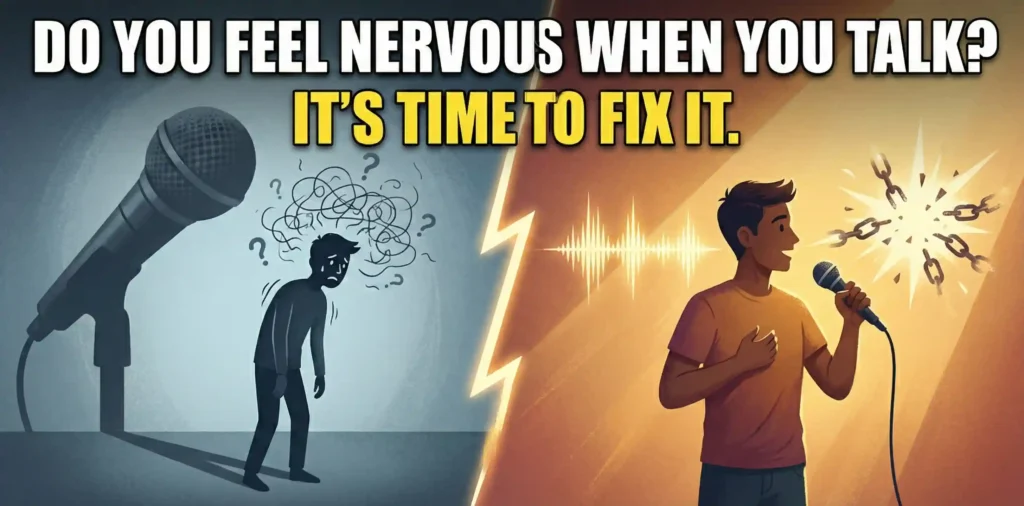
Understanding body language can seem daunting, but it is essential for improving social interactions. By learning to decode nonverbal signals, you can navigate conversations more effectively, enhance your relationships, and reduce misunderstandings. Discover the power of nonverbal communication in your daily life.
Body language encompasses facial expressions, posture, and gestures, which all convey emotions and intentions. Recognizing these nonverbal cues can help you respond appropriately and connect with others more genuinely, ultimately boosting your confidence in social situations.
Understanding the Basics of Body Language
Before diving into the specifics of reading body language, it’s essential to grasp the foundational concepts. Body language encompasses all the nonverbal signals we send through our posture, gestures, facial expressions, and even our personal space. By recognizing these cues, you can gain valuable insights into others’ feelings and intentions, enhancing your interpersonal communication.
Body language is often subconscious, meaning people may not even realize they are conveying certain messages. For example, crossed arms might indicate defensiveness, while leaning forward can signal interest. Understanding these basic signals can help you navigate social situations with greater confidence. Focus on observing how people interact with one another and consider the context in which these gestures occur. Remember that cultural differences can also play a role in how body language is interpreted.
As you learn to read body language, practice being mindful of your own nonverbal cues as well. Your body language can significantly influence how others perceive you. By aligning your verbal and nonverbal communication, you can create a more authentic connection with those around you.
Understanding Personal Space
Recognizing the concept of personal space is essential in interpreting body language effectively. Personal space varies among cultures and individuals, influencing how we perceive comfort and intent during interactions. Understanding these nuances can significantly enhance your social skills and help avoid misunderstandings.
Personal space is generally categorized into four zones:
- Intimate Zone: This zone extends up to 18 inches and is reserved for close relationships, such as family and romantic partners. Entering this zone typically indicates trust and affection.
- Personal Zone: Ranging from 1.5 to 4 feet, this space is used for conversations among friends and acquaintances. Being aware of this zone helps maintain comfort in casual interactions.
- Social Zone: Extending from 4 to 12 feet, this zone is appropriate for formal settings, like business meetings or networking events. Respecting this distance conveys professionalism.
- Public Zone: Beyond 12 feet, this space is often used in large gatherings or public speaking. Individuals in this zone may feel less personally connected.
Pay attention to how others react when you enter these zones. A step back or crossed arms might indicate discomfort, while leaning in can signal interest. Being mindful of personal space can enhance your interactions and help you read others more effectively.
Understanding Facial Expressions
Facial expressions are a vital component of nonverbal communication, providing immediate insight into a person’s emotions and reactions. By learning to decode these expressions, you can enhance your ability to read others effectively. This section will focus on the basic facial expressions and their meanings, helping you to interpret the emotional state of those around you.
Facial expressions are universal signals that convey feelings such as happiness, sadness, anger, surprise, fear, and disgust. Each of these emotions has specific characteristics that can be identified. For example:
- Happiness: A smile with upward curving lips and squinting eyes often indicates joy.
- Sadness: Downturned lips and drooping eyelids may suggest someone is feeling low.
- Anger: Furrowed brows and tightened lips can signal frustration or aggression.
- Surprise: Raised eyebrows and wide-open eyes usually denote shock or astonishment.
- Fear: A tense expression with wide eyes and a slightly open mouth often indicates anxiety or fear.
- Disgust: Wrinkled nose and raised upper lip can reflect feelings of distaste or aversion.
By paying attention to these expressions, you can gain valuable insights into how others feel, allowing for more empathetic and effective communication in your interactions.
Understanding Personal Space
Personal space refers to the physical distance we maintain during interactions, which can reveal much about our comfort levels and intentions. This section explores the concept of personal space, how it varies by culture and context, and what it signifies in communication. Recognizing these boundaries can enhance your interactions and help you avoid misunderstandings.
Different cultures have distinct norms regarding personal space. For instance, in some cultures, close proximity is a sign of warmth, while in others, it may be perceived as intrusive. It is crucial to observe the space that people maintain when interacting with you and others. If someone steps back when you approach, they may be uncomfortable or need more space.
There are three general zones of personal space:
- Intimate Zone: 0 to 18 inches, reserved for close friends and family.
- Personal Zone: 18 inches to 4 feet, for conversations with acquaintances.
- Social Zone: 4 to 12 feet, typically used in professional settings or casual gatherings.
Being aware of these zones helps you gauge how to approach others effectively. If you notice someone leaning away or crossing their arms during a conversation, it may indicate that they feel their personal space is being invaded. Adjust your distance accordingly to create a more comfortable interaction.
Understanding Proxemics: The Use of Personal Space
Proxemics refers to the study of personal space and how it influences our interactions with others. This section will help you grasp the importance of distance in communication and how different cultures can affect spatial preferences. By recognizing these cues, you can enhance your social interactions and minimize misunderstandings.
Different zones of personal space can convey various messages. For instance, standing too close may be perceived as intrusive, while standing too far away might suggest disinterest. Here are the commonly recognized zones:
- Intimate Zone: 0 to 18 inches – Reserved for close relationships, such as family and partners.
- Personal Zone: 18 inches to 4 feet – Used for conversations with friends or acquaintances.
- Social Zone: 4 to 12 feet – Appropriate for interactions in professional settings or groups.
- Public Zone: 12 feet and beyond – Suitable for public speaking or addressing larger audiences.
Awareness of these zones can help you navigate social situations more effectively. For example, if someone steps back into their personal zone during a conversation, it may signal discomfort. Pay attention to these spatial cues to adjust your approach accordingly, improving your ability to connect with others.
Understanding Context in Body Language
Context plays a crucial role in interpreting body language effectively. The same gesture can mean different things depending on the situation, cultural background, and individual personality. Understanding the context helps you avoid misinterpretations and enhances your ability to read nonverbal signals accurately.
Consider the following factors when analyzing body language:
- Environment: The setting can influence how people behave. For example, someone crossing their arms in a casual gathering might be relaxed, while in a formal meeting, it could indicate defensiveness.
- Cultural Differences: Different cultures have unique interpretations of body language. For instance, direct eye contact may signify confidence in some cultures, while in others, it could be considered rude or confrontational.
- Relationship Dynamics: The nature of your relationship with the person can affect their body language. Friends may exhibit more open gestures, while a supervisor might maintain a more reserved demeanor.
By considering these contextual elements, you can sharpen your skills in reading body language, leading to more meaningful interactions. Remember that it’s not just about the gestures themselves, but how they fit into the broader picture of communication.
Building Your Confidence in Reading Body Language
As you become more familiar with interpreting body language, building confidence in your skills is essential. This section will provide you with practical strategies to enhance your ability to read others and feel more at ease in social situations. By practicing these methods, you can improve your social interactions and reduce the fear of misreading cues.
Start by observing people in everyday situations, such as at a coffee shop or during a meeting. Pay attention to their posture, facial expressions, and movements. Take mental notes of how these nonverbal cues correspond with their verbal communication. This practice will help you develop a more intuitive understanding of body language.
Additionally, engage in role-playing exercises with friends or colleagues. These activities can create a safe space to experiment with different body language interpretations and responses. Asking for feedback can also help you refine your skills.
Lastly, remember that body language is not an exact science. Each person is unique, and cultural differences can influence nonverbal communication. Stay open-minded and flexible as you learn to navigate the nuances of body language. With time and practice, you’ll feel more confident in your ability to read others effectively, ultimately improving your relationships and interactions.
Quick Summary
- Understanding body language can enhance communication and relationships.
- Pay attention to non-verbal cues such as facial expressions, gestures, and posture.
- Eye contact can indicate confidence, honesty, or engagement.
- Crossed arms may signal defensiveness or discomfort.
- Leaning in shows interest, while leaning away may suggest disinterest.
- Mirroring someone’s body language can create rapport and connection.
- Cultural differences can affect body language interpretation, so consider context.
Frequently Asked Questions
What is body language and why is it important?
Body language refers to the non-verbal signals we use to communicate, including gestures, posture, and facial expressions. It plays a crucial role in conveying emotions and intentions, often providing more insight than spoken words alone.
How can I start reading body language effectively?
Begin by observing people in everyday situations, focusing on their gestures and facial expressions. Pay attention to patterns and context, as the same gesture can mean different things depending on the situation.
What are some common body language cues to look for?
Common cues include crossed arms (which can indicate defensiveness), leaning in (showing interest), and maintaining eye contact (indicating confidence). Understanding these cues can help you gauge how someone is feeling in a conversation.
How can I avoid misinterpreting body language?
Context is key when interpreting body language; always consider the situation and the individual’s baseline behavior. Avoid jumping to conclusions based on a single gesture and look for clusters of signals to get a clearer picture.
What should I do if I feel awkward interpreting body language?
Practice makes perfect! Start by observing body language in low-pressure environments, like watching a movie or listening to a podcast. Over time, you will become more comfortable and confident in your ability to read nonverbal cues.