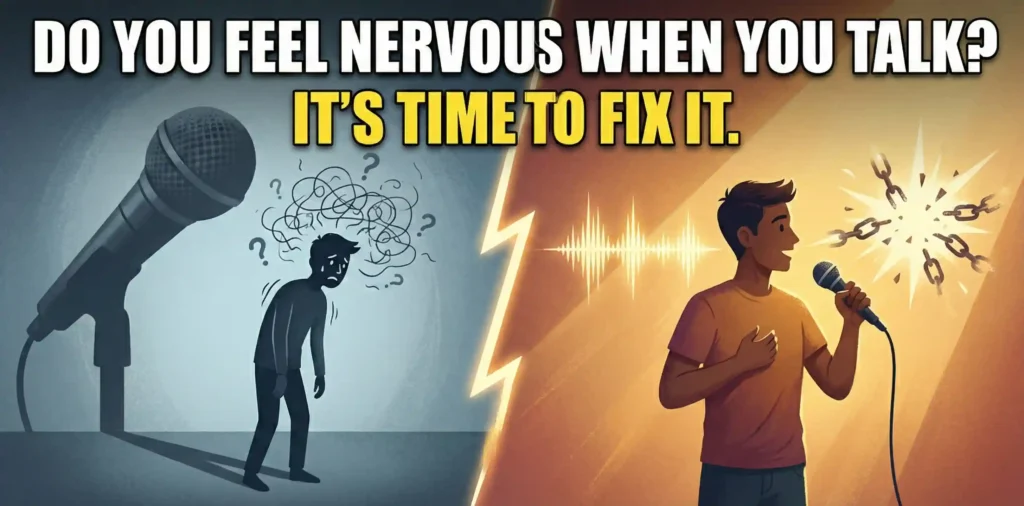
Interacting with others can sometimes feel overwhelming, leaving many of us at a loss for words. If you find yourself struggling to communicate effectively, you’re not alone. Understanding the reasons behind this hesitation can empower you to engage more confidently in conversations.
Many people face challenges in social situations due to anxiety, lack of confidence, or fear of judgment. Recognizing these factors can help you develop strategies to improve your communication skills and build meaningful connections with others.
Understanding Communication Barriers
Many individuals struggle with knowing what to say during conversations. This challenge often stems from various communication barriers that can hinder effective interaction. By recognizing these barriers, one can begin to address them, making it easier to engage with others.
Common barriers include anxiety, lack of confidence, and fear of judgment. These feelings can create a mental block, making it difficult to formulate responses. Additionally, social skills and experience play a significant role in how comfortable someone feels in conversations. For instance, individuals who have less exposure to social situations may find it harder to navigate discussions.
Another factor is the context of the conversation. Different settings, such as casual gatherings or formal meetings, often require different communication styles. This variability can add to the confusion about what to say. Being aware of these elements can help in developing strategies to improve conversational skills.
Understanding these aspects helps demystify the process of communication. Once individuals can identify the barriers they face, they can work towards overcoming them and enhancing their interaction capabilities.
Understanding Communication Anxiety
Communication anxiety is a common issue that many individuals face when interacting with others. This section delves into the roots of this anxiety, exploring how it manifests and contributes to the struggle of finding the right words. By understanding the underlying factors, individuals can better navigate social situations and improve their conversational skills.
Many people experience a sense of pressure to perform well in conversations, which can lead to anxiety. This pressure often stems from the desire to be liked, understood, or to avoid misunderstandings. The fear of judgment or rejection can create a mental block that makes it difficult to articulate thoughts. Additionally, self-doubt can exacerbate these feelings, causing individuals to second-guess their contributions.
Another contributing factor is the unpredictability of conversations. Not knowing how a discussion will unfold can lead to hesitation, as individuals may struggle to anticipate the other person’s reactions or responses. This uncertainty can create a cycle of anxiety that further complicates communication. Recognizing these feelings is the first step toward overcoming them.
Ultimately, understanding communication anxiety is crucial for developing confidence in social interactions. Acknowledging these emotions allows individuals to approach conversations with greater awareness and intention, paving the way for more meaningful exchanges.
Understanding Social Anxiety
Social anxiety can be a significant barrier when trying to communicate with others. It often manifests as a fear of judgment or embarrassment during interactions, leading to uncertainty about what to say. Recognizing the symptoms and effects of social anxiety is crucial in overcoming these feelings and improving communication skills.
Common symptoms of social anxiety include excessive worrying about social situations, difficulty speaking in groups, and physical signs such as sweating or shaking. These feelings can create a cycle of avoidance, making it even harder to engage with people. Understanding that you are not alone in these experiences can provide some relief.
To address social anxiety, consider the following strategies:
- Practice deep breathing techniques to reduce anxiety in the moment.
- Start small by engaging in brief conversations with familiar people.
- Challenge negative thoughts by focusing on positive outcomes of social interactions.
- Seek support from friends, family, or professionals who can provide encouragement.
By acknowledging social anxiety and employing these techniques, you can gradually build confidence in your conversational abilities, leading to more fulfilling interactions with others.
Understanding Communication Anxiety
Many people struggle with what to say in conversations due to underlying communication anxiety. This section will explore the factors contributing to this anxiety and how they might affect your ability to engage effectively with others. Recognizing these feelings can help you address them and become more comfortable in social settings.
Communication anxiety often stems from fear of judgment or rejection. This fear can manifest in various ways, such as overthinking responses, feeling self-conscious, or worrying about saying something inappropriate. Understanding that many individuals experience similar anxieties can help normalize these feelings. It’s important to remember that most people are focused on their own thoughts and concerns, not scrutinizing every word you say.
Another contributing factor is lack of experience in social interactions. If you find yourself in unfamiliar situations or with new people, the pressure to make a good impression can feel overwhelming. Practicing conversation skills in low-pressure environments, such as with friends or family, can boost your confidence. Additionally, preparing topics or questions in advance can ease the pressure during spontaneous interactions.
Addressing communication anxiety takes time and patience. Start by acknowledging your feelings, and gradually expose yourself to social situations. Over time, you’ll likely find that your ability to communicate improves, making conversations more enjoyable and fulfilling.
Understanding Your Communication Style
Recognizing your unique communication style can significantly enhance your interactions with others. Each person has a different way of expressing thoughts and feelings, which can influence conversations. By identifying your style, you can better prepare for discussions and reduce feelings of uncertainty.
Begin by reflecting on how you typically communicate. Do you prefer to listen more than you speak? Are you direct or more reserved in your approach? Understanding these elements can help you navigate conversations more effectively. Here are a few types of communication styles:
- Assertive: This style is characterized by confidence and clarity. Assertive communicators express their thoughts openly while respecting others.
- Passive: Passive communicators often avoid expressing their needs or opinions, which can lead to misunderstandings.
- Aggressive: Aggressive communicators may dominate conversations and disregard others’ viewpoints, often leading to conflict.
- Passive-Aggressive: This style involves indirect resistance and avoidance of direct confrontation, which can create tension in communication.
By understanding your style, you can adapt your approach in various social situations. This awareness allows you to engage more comfortably and effectively, making it easier to find the right words to say when talking to others.
Understanding Communication Barriers
Communication barriers can significantly hinder our ability to express ourselves effectively. These barriers often stem from personal insecurities, lack of experience, or even social anxiety. Recognizing these obstacles is the first step toward overcoming them and improving our interactions with others.
Common barriers to effective communication include:
- Fear of Judgment: Worrying about how others perceive our words can lead to hesitation in speaking up.
- Limited Vocabulary: Not having the right words at our disposal can make conversations feel daunting.
- Social Anxiety: Feeling uncomfortable in social situations can create a mental block when trying to engage with others.
- Past Experiences: Negative interactions in the past may make us hesitant to initiate conversations.
By identifying these barriers, we can take proactive steps to address them. Practicing active listening, expanding our vocabulary, and gradually exposing ourselves to social settings can help break down these walls. Understanding that many people share similar feelings can also provide comfort and encouragement as we work to improve our communication skills.
Understanding Your Communication Barriers
Identifying the reasons behind your difficulty in conversations is essential for improvement. Various factors contribute to communication challenges, ranging from personal insecurities to environmental influences. By understanding these barriers, you can develop effective strategies to overcome them and enhance your ability to connect with others.
One common barrier is fear of judgment. Many individuals hesitate to speak up due to concerns about how others will perceive their words or ideas. This fear can stem from past experiences or a lack of self-confidence. Addressing these feelings through positive self-talk and gradual exposure to social situations can help alleviate anxiety.
Another factor is a lack of preparation. Sometimes, the pressure of spontaneous conversation can lead to blank moments. Practicing conversation starters or engaging in discussions about familiar topics can build confidence and make it easier to express thoughts when the opportunity arises.
Additionally, environmental factors, such as the setting of the conversation or the dynamics of the group, can impact your comfort level. Finding a more relaxed setting or connecting with individuals who share your interests may create a more conducive atmosphere for dialogue.
Recognizing and addressing these barriers is the first step toward becoming a more effective communicator. With practice and self-awareness, you can improve your conversational skills and feel more at ease when interacting with others.
Understanding Your Communication Style
Recognizing your unique communication style is essential for improving interactions with others. Everyone has different ways of expressing themselves, influenced by personality, upbringing, and life experiences. By understanding your style, you can identify areas that may need adjustment to enhance your conversations.
Begin by reflecting on how you typically respond in social situations. Consider if you prefer to listen more than speak, if you feel anxious or confident, or if you often rely on humor or facts. Analyze past interactions to see patterns in your behavior. This self-awareness can help you understand why you struggle with knowing what to say.
Next, observe how others communicate. Notice their tone, body language, and choice of words. This observation can provide insights into effective conversational techniques. You might find that some individuals have a natural ability to engage others, which can be attributed to their understanding of their own communication style.
Lastly, don’t hesitate to seek feedback from trusted friends or family. They can offer perspectives on your strengths and areas for improvement in conversations. Embrace this feedback as a tool for growth, and practice adjusting your approach based on what you learn.
Practicing Conversations
Improving your communication skills often comes down to practice. Engaging in conversations regularly can help reduce anxiety and make interactions feel more natural. Here are some strategies to help you practice effectively.
Start by initiating small talk with people you encounter regularly, such as baristas or coworkers. This type of low-pressure interaction allows you to build your confidence without the stakes of deeper conversations. Another useful approach is to join clubs or groups that share your interests. This creates a comfortable environment for discussion.
Role-playing can also be beneficial. Find a friend or family member who can help simulate conversations. Focus on different scenarios, such as meeting someone new or discussing a specific topic. This exercise can help you prepare responses and think on your feet.
Finally, consider recording yourself during practice sessions. Listening to your conversations can provide insight into areas for improvement, such as tone, pacing, and clarity. Over time, these methods can enhance your ability to communicate effectively, making conversations feel less daunting.
Quick Summary
- Understanding social anxiety can help identify the root cause of communication difficulties.
- Preparation and practice can boost confidence when engaging in conversations.
- Active listening is essential; focusing on what others say can ease pressure to respond.
- Asking open-ended questions encourages dialogue and takes the spotlight off oneself.
- Recognizing that it’s normal to feel unsure can alleviate self-judgment.
- Improving vocabulary and conversational skills through reading and exposure can enhance communication.
- Building genuine connections often matters more than having the perfect words to say.
Frequently Asked Questions
Why do I struggle to find things to say in conversations?
Struggling to find things to say can stem from anxiety, lack of experience, or feeling self-conscious. It’s common to feel pressure to keep a conversation going, which can make it harder to think of responses. Practice and preparation can help ease this discomfort.
How can I improve my conversational skills?
Improving conversational skills takes practice and patience. Start by engaging in small talk in low-pressure situations, asking open-ended questions, and actively listening to others. This will help you build confidence and develop better responses over time.
What are some good topics to talk about with new people?
Good topics often include shared experiences, interests, or current events. You can ask about their hobbies, favorite books or movies, travel experiences, or even their opinions on popular culture. The key is to find common ground that encourages further discussion.
Why do I feel anxious when talking to others?
Anxiety in conversations can arise from fear of judgment, past negative experiences, or a lack of social practice. It’s important to remember that many people feel similarly, and focusing on the other person can help shift your attention away from your own worries.
How can I become a better listener in conversations?
Becoming a better listener involves being fully present and engaged during the conversation. Practice active listening by maintaining eye contact, nodding in acknowledgment, and summarizing what the other person has said to show understanding. This not only helps you respond better but also makes the other person feel valued.