Many people feel anxious or stuck when trying to start a conversation. This guide explores exactly what problems does how to talk to anyone solve by focusing on practical social habits. It helps effective communication become a learnable skill rather than a natural talent.
What This Topic Means in Simple Words
Communication skills are not just about public speaking or giving speeches. For most people, the real challenge is everyday interaction.
When we ask about the problems this topic solves, we are talking about social friction. Social friction is that awkward feeling when you want to connect with someone, but you do not know how.
It involves:
- Knowing how to look friendly before you speak.
- Understanding what to say after “hello.”
- Knowing how to keep a conversation going without awkward silences.
This topic takes vague advice like “be confident” and breaks it down into small, physical actions. It is not about changing your personality. It is about changing your habits so that other people feel comfortable around you.
Why This Problem Matters
Human beings are social creatures. We need to connect with others to feel happy and secure. When you struggle to talk to people, it affects almost every part of your life.
The Pain of Isolation The biggest issue is loneliness. You might be in a room full of people but feel completely alone because you cannot bridge the gap between you and them. This is not because you are uninteresting; it is often because you lack the tools to open the door.
Missed Opportunities In the workplace, quiet people are often overlooked. You might have the best ideas, but if you cannot communicate them clearly or build rapport with your boss, those ideas may be ignored.
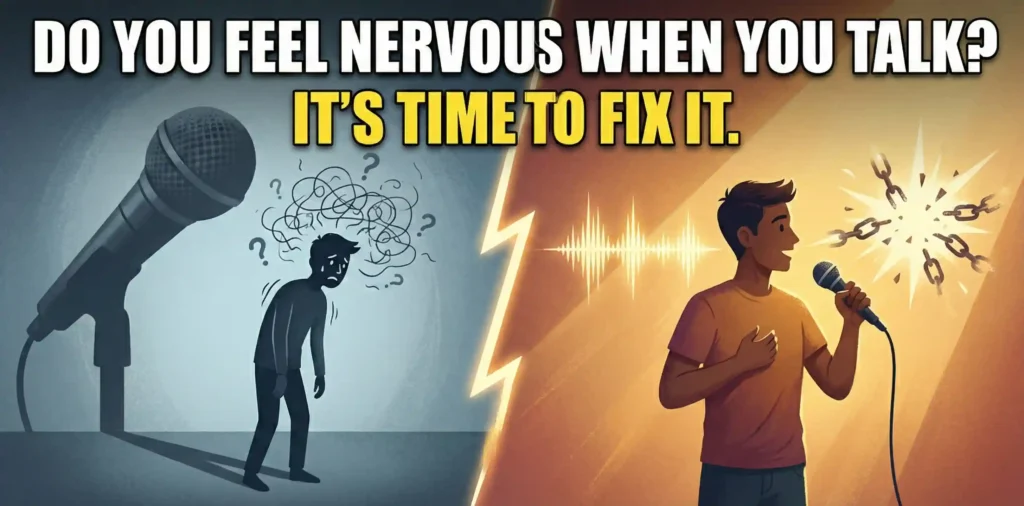
The Fear of Rejection Most social anxiety comes from a fear of being judged. People stay quiet because they are afraid of saying the wrong thing. This fear creates a cycle. You don’t talk, so you don’t get practice. Because you don’t practice, the fear grows.
Addressing these problems matters because it gives you control over your social environment. It replaces fear with a plan.
Specific Social Issues: What Problems Does How to Talk to Anyone Solve?
The book How to Talk to Anyone by Leil Lowndes addresses very specific hurdles. Here are the core problems it helps to solve, explained in simple terms.
The Problem of the First Impression Most people decide if they like you in the first few seconds. If you look grumpy or nervous, people stay away.
- The Solution: The concept of the “Slow Smile.” Instead of smiling instantly (which can look fake), you pause for a second, look at the person, and then let a warm smile spread over your face. This makes the other person feel that the smile is genuinely for them.
The Problem of “Dying” Conversations We have all been there. You ask “How are you?” and they say “Good.” Then silence.
- The Solution: Never give a one-word answer. When someone asks how you are, give a “word detective” clue. Give them a tiny bit of information they can ask about. For example, “I am good, just busy fixing my garden.” Now they can ask about the garden.
The Problem of Looking Disinterested Sometimes we listen, but we look bored. This hurts the speaker’s feelings and ends the chat.
- The Solution: Whole-body listening. When someone speaks to you, turn your entire body toward them, like a baby turning toward attention. This sends a powerful signal that they have your full focus.
The Problem of Awkward Eye Contact Too little eye contact looks shifty. Too much looks aggressive.
- The Solution: “Sticky Eyes.” This technique suggests looking at the person’s eyes (or face) a little longer than you think is normal, even when you finish speaking. It creates a sense of intimacy and interest.
How This Helps in Real Life
Understanding these solutions changes your daily experience. It does not make you a different person, but it makes your life smoother.
In Social Situations Parties and gatherings become less scary. Instead of standing in the corner looking at your phone, you have a mental checklist. You know how to enter a room and how to look approachable. You know that if you smile slowly and turn your body toward people, they are more likely to talk to you.
Building Confidence Confidence often comes from competence. When you know how to do something, you feel less afraid. By learning these small techniques, you stop worrying about “what if I mess up?” You focus on the technique—like holding eye contact—rather than your fear.
In Daily Conversations Interactions with cashiers, neighbors, and coworkers become easier. You learn to make small talk that actually feels good. You realize that most people are waiting for someone else to be friendly. When you take that step, the world feels like a friendlier place.
Who This Is Helpful For
This advice is not for everyone. Some people are naturally gifted speakers. However, for many, these tools are essential.
Beginners and the Socially Anxious If you feel your heart race when you have to speak up, this is for you. It provides a safety net. You don’t have to improvise; you just follow the steps.
Introverts Introverts often find socializing draining. These techniques help introverts make connections without wasting energy on worrying. You can be quiet and still be a great communicator by mastering listening and body language.
Professionals If you are smart but struggle to network, this helps. Business is often about relationships. Knowing how to make a client feel special or how to remember names can be more valuable than technical skills.
Common Mistakes People Make
Even when trying to improve, people fall into traps. Here are common errors to avoid.
- Trying to Fake It: Some people try to act overly confident. They talk loud and interrupt. This pushes people away. Real confidence is calm.
- Focusing on Being Interesting: Many people think they need to tell cool stories to be liked. This is false. To be interesting, you must be interested. Focus on the other person, not yourself.
- Staring Too Hard: When practicing eye contact, some people forget to blink or look friendly. This can creep people out. Keep your face relaxed.
- Expecting Instant Magic: Social skills are like muscles. You cannot go to the gym once and be strong. You cannot use one technique and expect to be popular instantly. It takes time.
- ignoring Body Language: You can say the perfect words, but if your arms are crossed and you are frowning, the words don’t matter.
8. How to Apply This Safely & Naturally
There is a danger with social skills books. If you use them like a robot, you will seem manipulative or fake.
Avoid Manipulation The goal is connection, not control. Do not use these tricks to get things from people. Use them to make people feel comfortable.
Be Sincere When you use the “Slow Smile,” really feel warmth toward the person. When you use “Sticky Eyes,” really pay attention to what they are saying. If your intent is good, the technique will work.
Practice Slowly Do not try to do everything at once. Pick one thing. For the next week, just focus on turning your body toward people when they speak. Once that is a habit, try the next thing.
Be Kind to Yourself You will have awkward moments. That is normal. Even the best communicators stumble. Forgive yourself and keep trying.
Related Questions People Ask
Yes. In fact, these techniques are best for shy people because they give you a structure to follow. You don’t need to be loud; you just need to be attentive.
It depends on your intention. If you use them to trick people, yes. If you use them to show respect and build friendship, no. It is simply good manners effectively applied.
No. You can still be quiet or serious. These tools just help you express your true self without fear getting in the way.
You can see small results immediately. If you smile warmly at someone today, they will likely smile back. Deep confidence takes weeks or months of practice.
What We Learned
Learning to communicate is a journey. When asking what problems does how to talk to anyone solve, the answer is that it removes the fear of disconnection. It bridges the gap between you and others. Start with one small habit, be patient with yourself, and watch your relationships grow.
Need Any self-help books visit our website - www.boirath.com