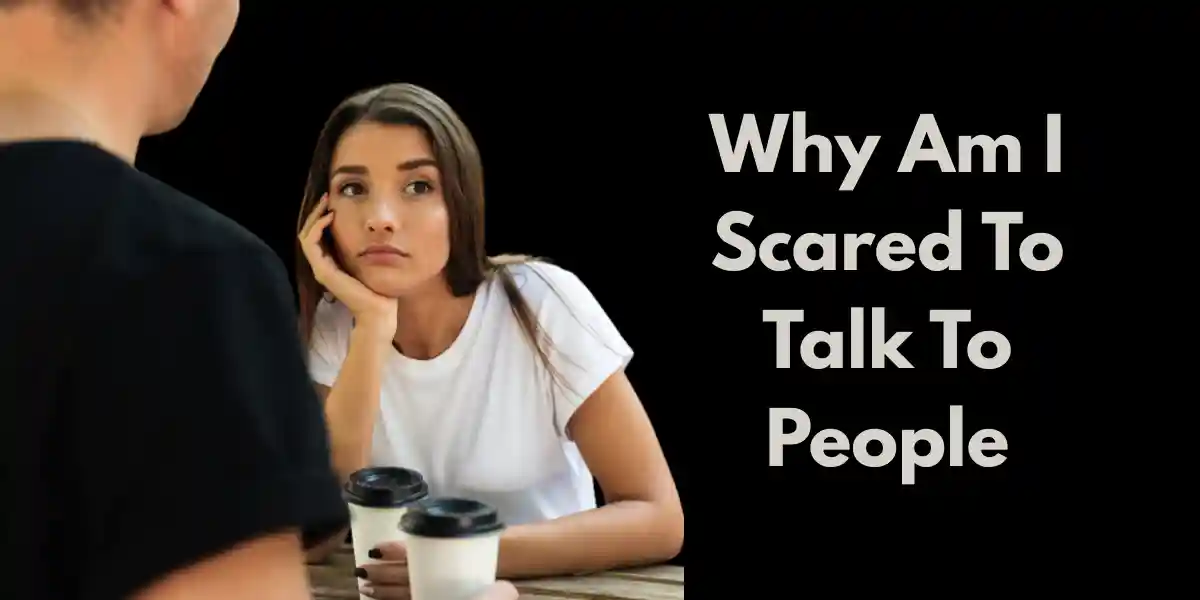
You may feel scared to talk to people because your brain sees normal social moments as a threat. It may fear judgment, shame, rejection, or saying the wrong thing. This is often linked to social anxiety, low self-trust, past hurt, or a habit of avoiding people.
This doesn’t mean you’re weak. It means your body is trying to protect you, even when there may be no real danger. Many people feel this way in simple moments, like saying hello, asking for help, or joining a group chat. The National Institute of Mental Health says social anxiety can show up in daily moments where a person may feel watched, judged, or rejected.
Social Anxiety And Fear Of Judgment
Social anxiety is one of the most common reasons behind this fear. You don’t just feel shy. You feel watched. You may think people are checking your voice, face, words, or body.
What I’ve found is that fear of judgment often feels louder than the real room. You may walk into a small chat and feel like you’re on a stage. Sound familiar?
In my experience, many people don’t fear talking itself. They fear what might happen after they talk. Will they laugh? Will they think you’re weird? Will you go blank?
Cleveland Clinic describes social anxiety as an ongoing fear of being watched or judged. It can be different from simple shyness because it can block daily life.
Fear Of Saying The Wrong Thing
This fear can make your mind feel empty. You may know what to say when you’re alone. Then someone looks at you, and the words vanish.
That blank feeling can be scary. You may think, “See, I can’t talk.” But that’s not true. Your brain is busy scanning for danger.
From experience, the fear of saying the wrong thing grows when you expect a perfect answer. Real talks aren’t perfect. People pause, repeat, laugh, and fix their words all the time.
Fear Of Being Judged By Others
Fear of judgment often comes from one harsh thought. “They’ll think badly of me.” That thought can feel like a fact.
But a thought isn’t proof. Most people are more focused on themselves than on your small mistakes. Think about it. Do you remember every awkward word someone else said last week?
The National Social Anxiety Center notes that “hot thoughts” can feed conversation fear. These thoughts can make people feel self-aware, anxious, and more likely to avoid talks.
Conversation Anxiety Symptoms
Conversation anxiety can show up in your mind and body. You may sweat. Your heart may race. You may avoid eye contact. You may feel sick before speaking.
These signs don’t mean you’re in danger. They mean your nervous system is fired up. Your body is acting like a small talk is a big risk.
What I’ve found is that people often fear the symptoms too. They worry others will see the shaking, blush, or stiff voice. Then the worry gets stronger.
Cleveland Clinic lists signs like a blank mind, blushing, sweating, shaking, and a fast heartbeat in social moments. Healthdirect also notes that people may replay talks in their head after they happen.
Why Do I Freeze When Talking?
You freeze because your body may enter a fight, flight, or freeze state. In that state, your brain picks safety first. Words come second.
This is why your voice may feel stuck. It’s not laziness. It’s a stress response.
A simple way to handle this is to slow the moment down. Breathe out first. Then say one short line. You don’t need a smart line. You need a start.
Why Do I Avoid People Even When I Feel Lonely?
You may avoid people because avoidance gives quick relief. You skip the chat. Your body calms down. So your brain learns, “Avoiding works.”
But here’s the thing. Avoidance helps for a minute. Then it makes the fear bigger next time.
Healthdirect says safety habits, like avoiding social events or speaking less, may feel helpful. But they can stop recovery over time.
Why Am I Scared To Talk To People I Don’t Know?
You may feel more scared with strangers because you don’t know how they’ll react. There are no old clues. No shared past. No safe pattern.
This is common with social anxiety. New people can feel like a test. You may try to guess their thoughts before they even speak.
In my experience, the first thirty seconds feel the hardest. After that, your brain often gets more proof that the talk is safe.
Mayo Clinic says inherited traits, learned behavior, and brain fear response may be linked to social anxiety. The amygdala may be part of that fear response.
Fear Of Meeting New People
Meeting new people can feel hard because you don’t know the rules yet. Should you smile? Ask a question? Share something? Stay quiet?
The mind hates not knowing. So it fills the gap with scary guesses. “They won’t like me.” “I’ll look boring.” “I’ll mess this up.”
Try this instead. Treat the first talk as practice. Not a final exam. Your only goal is to be present for a few seconds longer than usual.
Is It Shyness Or Social Anxiety?
Shyness can be mild. It may show up in new places. But you can still do what you need to do.
Social anxiety feels heavier. It can make you avoid school, work, calls, dates, or simple errands. NIMH says symptoms need to last at least six months and affect daily life for a diagnosis.
Here’s a simple way to tell the difference. Ask, “Is this fear stopping my life?” If yes, it may be time to get support.
Common Mistakes People Make About This Topic
Many people handle this fear by blaming themselves. They say, “I’m just awkward.” Or, “I’m bad with people.” That label can make the fear stick.
Another mistake is waiting to feel fully confident first. Confidence often comes after action. Not before it.
- Thinking you must speak perfectly every time.
- Avoiding every talk that feels a bit scary.
- Calling yourself weird after one awkward moment.
- Using alcohol or jokes to hide all discomfort.
- Reading people’s faces like every look means dislike.
How To Stop Being Scared To Talk To People
Start small. Don’t force yourself into huge social scenes first. That can backfire. Begin with low-pressure talks.
Say “thank you” with eye contact. Ask a cashier one simple question. Send a short voice note. Say one line in a group chat. Small wins teach your brain safety.
What I’ve found is that progress comes from repeat exposure. Not pressure. You want your brain to learn, “I can feel nervous and still speak.”
Use a simple three-step plan. Notice the fear. Name the thought. Take one small action. For example, “I’m scared they’ll judge me. That’s a thought. I’ll ask one question anyway.”
Keep your focus outside yourself. Listen to the other person. Look for one detail you can respond to. Ask easy questions like, “How was your day?” or “How did you get into that?”
Don’t replay the talk for an hour after. That keeps the fear alive. Give yourself one fair review. What went okay? What can I try next time?
If this fear blocks work, school, dating, or daily tasks, talk with a mental health professional. CBT is often used for social anxiety. Cleveland Clinic and Healthdirect both describe CBT as a common treatment path for social anxiety.
Frequently Asked Questions
Why am I scared to talk to people even when I want friends?
You may want connection but still fear rejection. Both can be true. Your need for people doesn’t erase your fear of being judged.
Is being scared to talk to people social anxiety?
It can be. Social anxiety often includes fear of being judged, watched, or embarrassed. But only a trained professional can tell you for sure.
Why do I feel like everyone is watching me?
Anxiety can make your attention turn inward. You start checking your voice, face, hands, and words. This makes normal moments feel much bigger than they are.
How can I talk to people without feeling awkward?
Aim for simple, not smooth. Ask one easy question. Listen well. Let small pauses happen. Awkward moments are part of normal talk.
Final Thought
If you’re asking, “why am i scared to talk to people,” you’re not alone. Your fear has a reason, even if it feels unfair. Start with tiny steps. You don’t need to become loud. You just need to feel a little safer being seen.

4 thoughts on “Why Am I Scared To Talk To People”