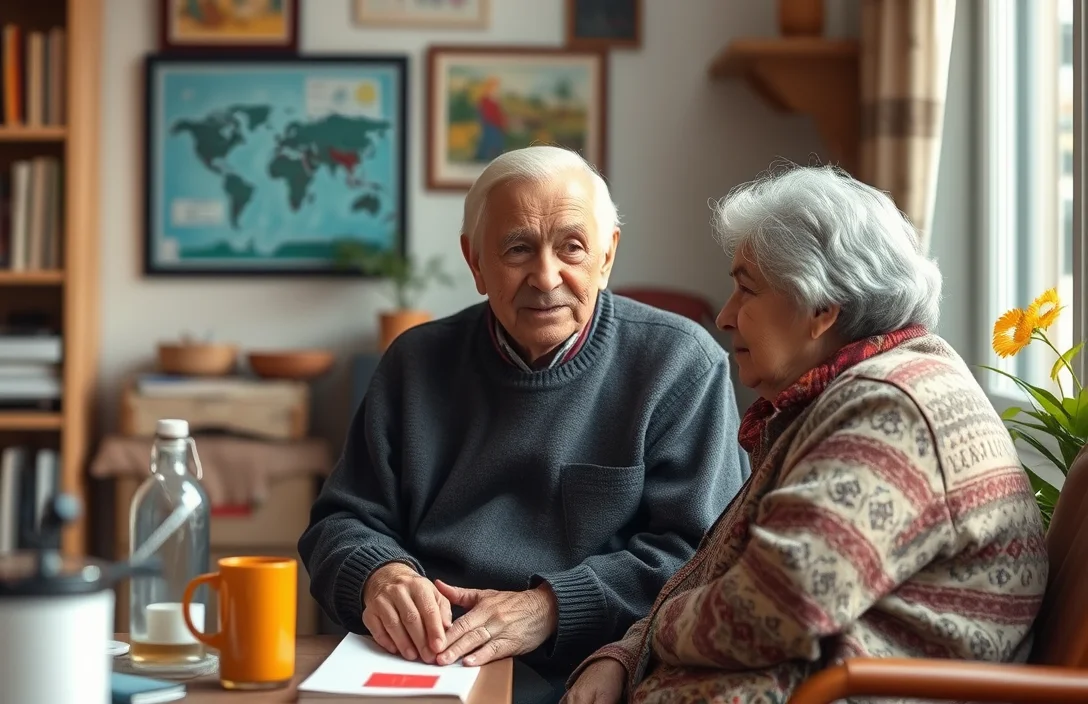
Respectful communication with elders is essential for fostering strong relationships and understanding. Engaging with older individuals can enrich your life and provide valuable insights. However, many people struggle with how to approach these conversations in a way that honors their wisdom and experience.
To communicate respectfully, remember to use polite language, actively listen, and show genuine interest in their stories. Avoid interrupting and be patient, as this demonstrates respect for their thoughts. Understanding cultural differences can also enhance your interactions.
Understanding Respectful Communication
Respectful communication with elders is essential for fostering meaningful connections and demonstrating appreciation for their life experiences. This section emphasizes the core principles that define respectful dialogue, highlighting its significance in various cultural contexts.
Importance of Respect
Respect serves as the foundation of effective communication, especially with elders. Engaging with them in a respectful manner not only acknowledges their wisdom but also enhances mutual understanding. When individuals communicate respectfully, it fosters trust and creates an open environment for sharing thoughts and experiences.
Cultural Perspectives on Age
Different cultures have unique views on age and respect. In many societies, elders are revered as custodians of knowledge and tradition. For instance, in some Asian cultures, older individuals are given high regard, and their opinions are sought after in family and community decisions. Understanding these cultural nuances can improve interactions and promote a deeper appreciation for the perspectives elders bring to conversations.
Key Principles of Respect
Respectful interaction with elders is grounded in fundamental principles that enhance communication and strengthen relationships. Understanding these core principles—active listening and empathy—can transform conversations, making them more meaningful and engaging for both parties.
Active Listening
Active listening involves fully concentrating, understanding, responding to, and remembering what the other person says. This principle is vital when talking to elders, as it shows that you value their thoughts and experiences. To practice active listening, maintain eye contact, nod in acknowledgment, and refrain from interrupting. Paraphrasing their points to confirm understanding also demonstrates your engagement.
Empathy and Understanding
Empathy is the ability to put yourself in someone else’s shoes, recognizing their feelings and perspectives. When interacting with elders, it is essential to approach conversations with an open heart and mind. Ask open-ended questions to encourage them to share their stories and emotions. This not only fosters a stronger connection but also helps you appreciate their wisdom and life experiences, which can enrich your own understanding of the world.
Non-Verbal Communication Cues
Body language significantly influences conversations, especially when engaging with elders. Understanding and utilizing non-verbal communication can enhance respect and connection. This section examines key aspects of body language, including eye contact, posture, and proximity, which all play vital roles in conveying respect and attentiveness during conversations.
Eye Contact
Maintaining appropriate eye contact is crucial in demonstrating respect and interest. It signals that you are engaged and value the elder’s thoughts. However, be mindful of cultural differences, as some individuals may find prolonged eye contact uncomfortable. Strive for a balance that reflects attentiveness without causing discomfort.
Posture and Proximity
Your posture can communicate openness and respect. Sitting or standing up straight conveys confidence, while slouching may suggest disinterest. Additionally, consider your proximity to the elder. Standing too close may feel invasive, while being too distant can appear disengaged. Aim to maintain a comfortable distance that fosters connection without intruding on personal space.
Effective Questioning Techniques
Engaging elders thoughtfully requires the use of effective questioning techniques. This section will discuss how to ask questions that encourage meaningful dialogue and show respect for their experiences and perspectives. By employing open-ended questions and avoiding assumptions, you can foster a more enriching conversation.
Open-Ended Questions
Open-ended questions invite more detailed responses and encourage elders to share their thoughts and feelings. Instead of asking questions that can be answered with a simple yes or no, frame your inquiries to promote elaboration. For example, instead of asking, “Did you like that book?” consider asking, “What did you find interesting about that book?” This approach not only shows your genuine interest but also allows the elder to express themselves more fully.
Avoiding Assumptions
It is crucial to approach conversations without preconceived notions. Avoid making assumptions about an elder’s interests or experiences based on their age or background. Instead, ask questions that allow them to share their individual stories. For instance, instead of assuming they may not be familiar with current technology, you could ask, “How do you feel about the changes in technology over the years?” This technique encourages respect and validation of their unique perspectives.
Using Appropriate Language
The choice of language when communicating with elders plays a crucial role in ensuring respectful and effective interactions. Using the right words and tone can foster understanding and strengthen relationships. This section will explore how to avoid jargon and maintain a polite tone in conversations.
Avoiding Jargon
It is essential to use language that is clear and easily understood. Jargon, technical terms, or slang can create confusion and distance between you and the elder. Instead, aim for simple, straightforward language. For example, if discussing technology, instead of saying “cloud storage,” you might say “online storage where you can keep your files.” This approach makes the conversation more inclusive and comfortable.
Polite Tone and Phrasing
A polite tone is vital in showing respect. Use phrases such as “Would you mind if I…” or “I would appreciate your thoughts on…” to convey consideration for their feelings and opinions. Additionally, avoid interrupting and allow them time to express their thoughts fully. Ending conversations with expressions of gratitude, such as “Thank you for sharing your wisdom,” reinforces a positive interaction.
Role-Playing Scenarios
Role-playing can be an effective way to practice respectful communication with elders. By simulating various situations, individuals can gain confidence and refine their approach. This section presents common scenarios and offers guidance on handling difficult topics through role-play.
Common Situations
Consider a scenario where a younger person needs to ask an elder for advice on a personal issue. The younger individual should initiate the conversation by greeting the elder warmly and expressing appreciation for their time. For example:
- Younger Person: Good afternoon, Aunt Mary. I really value your opinion and would love to hear your thoughts on a decision I’m facing.
- Aunt Mary: Of course, dear. What’s on your mind?
Handling Difficult Topics
Discussing sensitive subjects can be challenging. For example, if the topic is about health concerns, the younger person should approach it with care and empathy. Here’s how it might unfold:
- Younger Person: Grandma, I’ve noticed you’ve been feeling a bit unwell lately, and I’m concerned. Would you be open to talking about it?
- Grandma: I appreciate your concern. It’s been tough, but I’m managing.
In both situations, maintaining a respectful tone and actively listening are key to fostering open communication. Role-playing various scenarios can help prepare for real-life conversations, making them more comfortable and productive.
Analyzing Real-Life Conversations
This section explores real-life examples of respectful dialogues between younger individuals and elders. By examining these conversations, we can identify effective communication strategies and the positive impact they have on relationships. Each case study provides valuable insights into how respect and understanding can foster meaningful exchanges.
Positive Outcomes
One notable example involved a young volunteer working at a senior center. During a group discussion, she actively listened to the stories of the elderly participants, offering affirmations and engaging questions. This approach not only made the seniors feel valued but also encouraged them to share more, strengthening community bonds.
In another instance, a grandson learned to communicate with his grandmother about her health concerns. By using clear language and demonstrating patience, he made her feel comfortable discussing sensitive topics. This respectful dialogue led to improved trust and more openness about her needs, ultimately enhancing her well-being.
Lessons Learned
From these examples, we see that respectful communication involves not just what is said, but how it is conveyed. Key lessons include:
- Active listening fosters trust and encourages sharing.
- Using clear, uncomplicated language helps avoid misunderstandings.
- Showing genuine interest in the elder’s experiences strengthens relationships.
These conversations highlight the importance of respect and empathy in building connections with elders, leading to positive interactions that benefit everyone involved.
Quick Summary
- Use polite language and tone when addressing elders.
- Show genuine interest in their stories and experiences.
- Maintain eye contact to convey respect and attentiveness.
- Be patient and allow them to express their thoughts fully.
- Avoid interrupting or speaking over them.
- Use appropriate titles or terms of endearment, as preferred.
- Be mindful of body language; stand or sit at their level when possible.
Frequently Asked Questions
1. Why is it important to talk to elders respectfully?
Talking to elders respectfully fosters positive relationships and demonstrates appreciation for their life experiences and wisdom. It also helps create an environment of trust and open communication, allowing for meaningful conversations.
2. What are some basic tips for speaking respectfully to elders?
Use polite language, maintain eye contact, and listen actively when they speak. Avoid interrupting them and be patient, allowing them to express their thoughts fully. Simple gestures like using “sir” or “ma’am” can also show respect.
3. How can I address an elder properly?
When addressing an elder, it’s best to use their preferred title or honorific, such as Mr., Mrs., or Dr., followed by their last name. If you are unsure, asking them how they would like to be addressed can show respect and consideration.
4. What should I avoid when talking to elders?
Avoid using slang, overly casual language, or speaking too quickly, as this may come off as disrespectful. Additionally, refrain from talking down to them or making assumptions about their abilities based on their age.
5. How can I engage in deeper conversations with elders?
To engage in deeper conversations, ask open-ended questions about their life experiences, opinions, or stories. Showing genuine interest and empathy will encourage them to share more and build a stronger connection.




1 thought on “10 Tips for Respectful Conversations with Elders Today”