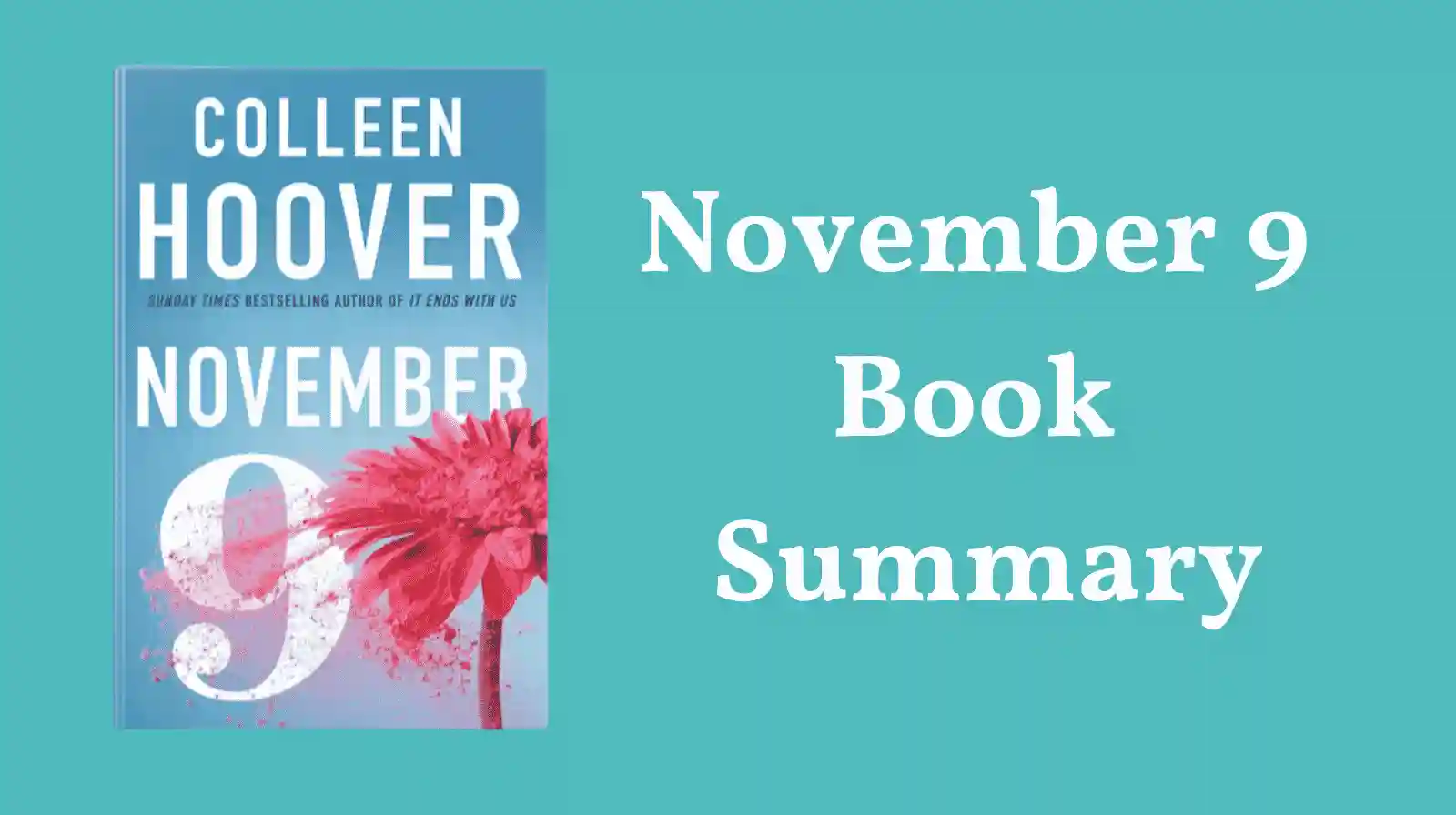
November 9 is a romance novel by Colleen Hoover about Fallon and Ben, who agree to meet on the same date every year for five years. The book explains how they handle distance, trauma, and dark secrets. It is best for fans of New Adult romance, especially readers who want emotional plot twists. It is worth reading if you enjoy dramatic love stories, but it may feel too intense for readers who prefer realistic relationships.
Quick book details
| Detail | Information |
| Title | November 9 Summary |
| Author | Colleen Hoover |
| Published | 2015 |
| Genre | New Adult Romance |
| Main topic | A five-year yearly reunion |
| Best for | Romance fans, readers of emotional drama |
| Main message | Love requires hard truths and forgiveness |
| Reading difficulty | Easy |
| Recommended | Yes, for readers who like heavy romance |
What is November 9 about?
The book starts with Fallon O’Neil. She is a former teen actress whose career ended after a fire left severe scars on the right side of her face and body. She meets Ben Kessler, an aspiring writer, on the day before she moves from Los Angeles to New York. They feel an immediate connection.
Because Fallon is leaving, they decide not to date normally. Instead, they make a pact. They agree to meet in the exact same spot every year on November 9 for the next five years. During the rest of the year, they will have zero contact.
Ben uses Fallon as the inspiration for his novel. Readers search for this book because the yearly meeting concept builds high emotional tension. Over the five years, the characters grow up, face their past mistakes, and deal with major heartbreak.
November 9 summary
This section contains a full synopsis of November 9, including major plot twists.
The Beginning
Fallon meets Ben on the anniversary of the fire that scarred her. Ben steps in to defend Fallon from her insensitive father at a restaurant. They spend the rest of the day together. Before Fallon flies to New York, they make their five-year pact.
The Middle
Over the next few years, their meetings show changes in their lives. In year two, they reconnect easily. In year three, things get complicated. Ben goes through a personal tragedy involving his brother’s widow. This creates a massive wedge between him and Fallon. They try to move forward, but outside relationships make their meetings painful.
The November 9 summary spoiler
During the fourth year, Fallon reads the manuscript of Ben’s novel. She discovers a terrible secret. Ben caused the fire that scarred her years ago. He set the fire out of anger at Fallon’s father. Ben met her that first day because he felt guilty, not by pure chance. Fallon leaves him, feeling completely betrayed.
The Ending
In year five, Fallon reads the rest of Ben’s manuscript. She understands his side of the story and the heavy guilt he carries. She decides to forgive him. They reunite, finally ready to start a real, everyday relationship together.
Chapter-by-chapter summary of November 9
The book is structured around the specific date each year rather than standard numbered chapters.
Year One
Fallon and Ben meet for the first time. They spend the day connecting over their shared fears and dreams. They establish their rules for the five-year agreement. This section sets up the romantic tension and introduces Fallon’s insecurities about her scars. The practical takeaway here is that spontaneous connections often push people out of their comfort zones.
Year Two
Fallon returns from New York. They meet again, and their attraction is stronger than before. Ben shows Fallon his writing, and Fallon begins acting again. This matters because it shows how support from one person builds confidence. If you want to help someone grow, encourage their buried talents.
Year Three
The reality of their separation hits hard. Ben deals with the death of his brother and ends up in a relationship with his sister-in-law. Fallon is heartbroken. This section explores the messy reality of timing. A clear lesson here is that emotional distance often causes more pain than physical distance.
Year Four
This is the climax of the story. Fallon finds out Ben started the fire. The truth shatters their trust. This matters because it brings the core conflict into the open. The main takeaway is that built-on secrets eventually collapse. Total honesty is a requirement for trust.
Year Five
Fallon processes her anger and reads the end of Ben’s book. She chooses forgiveness. They meet at the restaurant and decide to stay together permanently. This resolves the central tension. The lesson is that forgiveness is a deliberate choice, not an automatic feeling.
Key takeaways from November 9
Scars do not define worth
Fallon hides behind her scars for years. She believes they make her unlovable. Ben shows her that physical appearance does not dictate a person’s value. For example, if you feel insecure about a physical flaw, this idea reminds you that the right people look past it.
Fiction often blurs with reality
Ben writes a novel based on their actual lives. He struggles to separate the characters on the page from the real Fallon. This creates massive tension. For example, if you document your life online, this idea shows the danger of living for the story rather than living in the moment.
Distance forces intentional connection
Because they only meet once a year, Fallon and Ben cannot rely on daily habits to keep their bond alive. They must be completely present when they are together. For example, if you have a long-distance friend, this idea means you must make your rare time together count.
Holding back the truth damages trust
Ben hides his role in the fire for four years. When the truth comes out, the delay makes the betrayal much worse. For example, if you hide a mistake at work to protect yourself, this idea shows that delaying the truth only amplifies the damage.
True love requires total accountability
Ben has to own his terrible mistake before Fallon can truly love him. He cannot hide behind his guilt. For example, if you hurt your partner, this idea means you must face their anger directly instead of making excuses.
Forgiveness is a difficult process
Fallon does not forgive Ben immediately. She needs time and space to process his actions. Forgiveness requires understanding the other person’s pain. For example, if a friend wrongs you, this idea means you are allowed to take time before you let them back in.
Main themes in November 9
Trauma and recovery
Both characters carry deep wounds. Fallon has physical and emotional scars from the fire. Ben has psychological guilt from causing it. The story shows how trauma shapes their decisions.
Fate versus choice
The book plays with the idea of destiny. Their first meeting feels like fate. However, the later meetings require deliberate choices. The story argues that maintaining love is an active decision.
The ethics of writing
Ben uses Fallon’s life for his art. This raises questions about privacy and consent in creative work. The theme explores whether a writer has the right to use someone else’s pain for a good story.
The limits of forgiveness
The novel pushes forgiveness to the extreme. Fallon has to decide if she can love the person who ruined her acting career and caused her physical pain. The theme tests the boundaries of unconditional love.
Best ideas from the book
The annual meeting concept
Hoover uses a strict time limit to build tension. Meeting once a year removes the boring parts of dating and focuses strictly on high emotion. This matters because it forces the characters to grow quickly between meetings. The limit here is that this structure ignores how real relationships survive the mundane, daily routines.
Healing through vulnerability
Fallon only starts to heal when she lets Ben see her scars. She stops hiding. This matters because shared vulnerability builds the strongest bonds. For example, admitting a failure to your partner often brings you closer together. The limit is that vulnerability only works if the other person is a safe place.
The impact of parental relationships
Both Fallon and Ben have terrible relationships with their parents. Fallon’s father is cruel, and Ben’s mother is absent. This matters because it explains why they cling to each other so desperately. For example, a person with a rough childhood often seeks intense validation in romantic partners.
Using real life for art
Ben channels his guilt and love into his manuscript. He processes his emotions through writing. This matters because creativity acts as an outlet for pain. For example, journaling helps you understand your own complicated feelings. The limit is that writing about a problem does not actually fix the problem.
Best quotes from November 9
“You can’t leave yet. I’m not finished falling in love with you.”
This shows Ben’s immediate, intense attachment to Fallon on their very first day together.
“One of the things I always try to remind myself is that everyone has scars.”
This line connects Fallon’s visible physical pain to the invisible emotional pain that everyone else carries.
“When you find love, you take it.”
This quote pushes the characters to seize romantic opportunities, even when the timing feels completely wrong.
November 9 review: is it worth reading?
November 9 delivers high drama and intense emotions. The pacing is fast, and the yearly check-ins keep the plot moving. Hoover writes excellent dialogue that keeps the reader hooked. Beginners to romance will find it an easy, engaging read.
The book has some clear weak points. Ben’s behavior crosses several boundaries. His decision to hide the truth about the fire for years feels manipulative. Some readers find the plot twist too extreme to forgive.
It is worth reading if you want an emotional rollercoaster. However, the advice and relationship dynamics shown in the book do not hold up as healthy examples for real life.
Who should read November 9?
The book fits readers who want heavy emotional stakes in their fiction. It appeals to people who like dramatic reveals.
-
Fans of Colleen Hoover’s other books.
-
Readers interested in New Adult romance.
-
People who enjoy stories with massive plot twists.
-
Fans of the “writer and muse” trope.
Who might not like this book?
This book is a poor fit for readers who want healthy, realistic relationship models.
-
Readers who dislike toxic relationship dynamics.
-
People who find extreme melodrama annoying.
-
Readers who prefer stories about daily, grounded romance.
-
Those who think hiding major secrets is an unforgivable red flag.
How to apply the lessons from November 9
-
Accept your physical flaws. Stop hiding the things you cannot change. Confidence comes from accepting your scars, not covering them up.
-
Communicate openly. Tell the truth early. Hiding a mistake only guarantees a worse reaction later.
-
Do not romanticize red flags. If someone hides major life events from you, address it immediately.
-
Make intentional time. If you have a busy schedule, set specific dates with your partner where you focus entirely on each other.
-
Forgive for yourself. If you choose to forgive someone, do it so you can move forward, not just to make them feel better.
November 9 vs similar books
| Book | Best for | Main difference |
| November 9 | Readers who want massive plot twists | Focuses on a dark, hidden secret between the couple. |
| Ugly Love | Fans of angst and emotional baggage | Focuses on an emotional wall built by past tragedy, rather than a single yearly meeting. |
| One Day | Readers who want a realistic timeline | Shows a much longer, decades-spanning yearly check-in with less melodrama. |
November 9 fits the reader who wants shocking reveals and fast pacing. Ugly Love fits the reader who wants to explore deep emotional grief. One Day fits the reader who prefers a grounded, realistic look at how two people change over twenty years. You can read more about the author’s style on Colleen Hoover’s official site.
Common mistakes readers make with this book
Some readers take the wrong lessons from this novel.
-
Treating Ben’s secrecy as romantic rather than manipulative.
-
Expecting real-world relationships to survive a five-year gap with zero communication.
-
Ignoring the context of fiction and applying these extreme actions to real life.
-
Missing the author’s main point about the heavy weight of guilt.
Frequently asked questions
What is the november 9th book summary?
It is a romance novel about Fallon and Ben, who meet on the same day every year for five years. They deal with long-distance, past trauma, and a dark secret that threatens their entire relationship.
Is the book worth reading?
Yes, if you enjoy intense, dramatic romance with massive plot twists. It is a fast read that hooks your attention.
How does November 9 compare to Ugly Love?
Both are by Colleen Hoover and deal with deep trauma. November 9 uses a unique timeline structure and a shocking twist, while Ugly Love focuses more on overcoming emotional unavailability.
Is Ben’s behavior problematic in the book?
Yes. Many readers find his actions manipulative, especially the fact that he hides his role in Fallon’s accident for four years while making her fall in love with him.
What can you learn about relationships from this book?
You learn that holding back the truth destroys trust. A relationship cannot survive if it is built on a foundation of major secrets.
My take
November 9 does exactly what it sets out to do: it keeps you turning the pages. The structure of meeting once a year works perfectly to maintain high tension. It fits best for readers who read romance for the emotional rollercoaster rather than realistic life advice.
The biggest limitation is the plot twist. The reveal that Ben caused the fire makes his earlier romantic gestures feel deeply manipulative. If you can suspend your disbelief and accept the drama, the book is an engaging, fast-paced read.

Best book review, i learn very easily