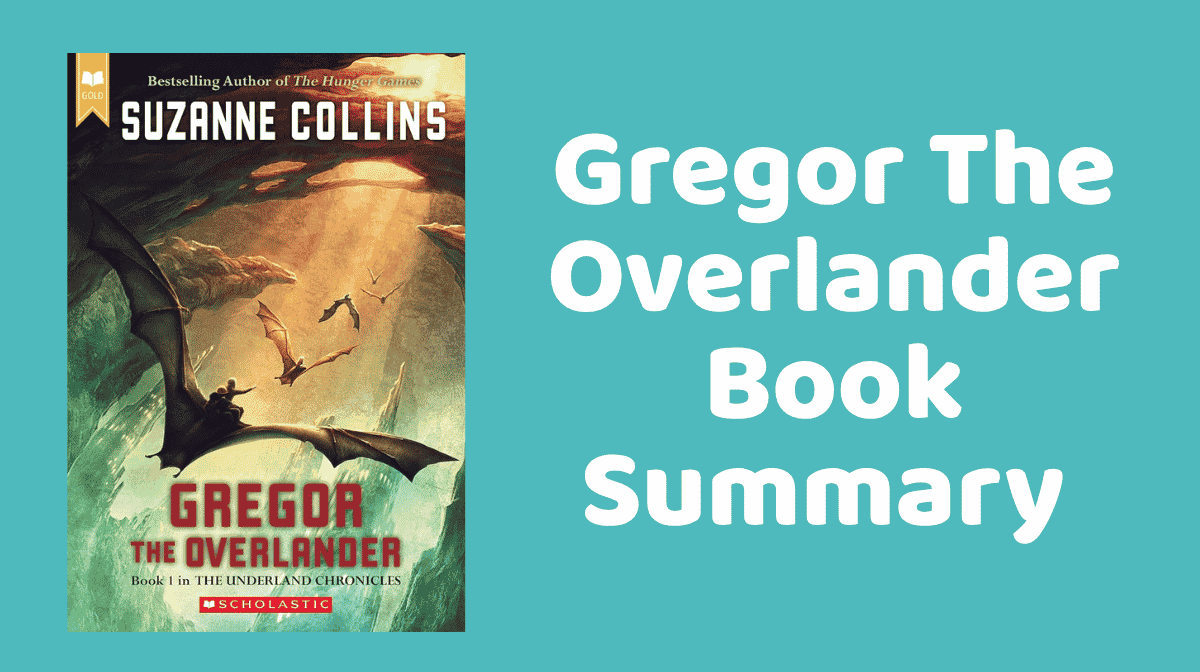
Ever stumbled upon a book that just pulls you in, no matter how old or young you are? That’s exactly how I feel about Suzanne Collins’ “Gregor the Overlander.” It’s one of those stories that sticks with you, long after you’ve turned the last page.
Why does this book matter so much? Well, it’s not just another fantasy adventure. It taps into something deeper.
It talks about courage, fitting in, and finding your place, even when you feel completely out of yours. It’s a story that resonates because, at its heart, it’s about family and what we’d do for the people we love.
Suzanne Collins, the author, is a name you might recognize. She’s the brilliant mind behind “The Hunger Games” series. But “Gregor the Overlander” is where she first showed her magic with middle-grade readers, building worlds and crafting characters we can’t help but root for.
In this article, we’re going to dive deep into “Gregor the Overlander.” Think of it like us chatting over coffee, breaking down the story, its big ideas, and why it captured so many imaginations. We’ll explore what makes it so special, who it’s perfect for, and what you can really take away from Gregor’s incredible journey.
The popularity of “Gregor the Overlander” isn’t a mystery. It’s a perfect blend of thrilling adventure, relatable characters, and heart-pounding moments. It offers an escape to a hidden world, but it also grounds itself in real emotions and the challenges of growing up.
So, who should dive into this amazing book? Honestly, if you love adventure, compelling characters, and a story with real emotional weight, this is for you. It’s fantastic for young readers finding their own brave protagonists, and it’s just as enjoyable for adults who appreciate a well-told tale with a lot of heart.
About the Author
Suzanne Collins has really made a name for herself in the literary world. Before “The Hunger Games” explosion, she penned the “Underland Chronicles” series, starting with “Gregor the Overlander.” This is where we first saw her incredible talent for creating worlds that feel both fantastical and believable.
Her background actually comes from writing for children’s television. This experience clearly shines through in her books. She knows how to craft engaging dialogue and keep young readers hooked with fast-paced plots.
Collins’ expertise lies in taking familiar archetypes and giving them a fresh, modern twist. She’s not afraid to explore complex themes like war, survival, and morality, even in books aimed at younger audiences. This makes her writing powerful.
Her biggest achievement, of course, is “The Hunger Games” trilogy. It became a global phenomenon, sparking conversations and inspiring countless readers. But her earlier work, like Gregor, laid the foundation for her success.
It showed her consistent ability to weave deep meaning into exciting stories.
Besides Gregor, she’s written other “Underland Chronicles” books: “Gregor and the Prophecy of Bane,” “Gregor and the Curse of the Warmbloods,” “Gregor and the Marks of Secret,” and “Gregor and the Code of Claw.” Readers trust Collins because she consistently delivers stories that are not only thrilling but also thought-provoking. She respects her audience, young or old, and never shies away from challenging topics.
What Is This Book About?
At its core, “Gregor the Overlander” is about an ordinary boy thrust into an extraordinary situation. Gregor Gregor lives in New York City with his mom, his younger sister Boots, and his two baby brothers. Life’s tough.
His dad is missing, and Gregor feels the weight of responsibility for his family.
Then, one day, Gregor and Boots fall through a grate in their apartment building. They tumble into a world far beneath the city. This isn’t just any old basement.
This is the Underland. It’s a place filled with giant insects, strange creatures, and a whole society of humans who call themselves Underlanders.
The main problem the book tackles is Gregor’s own reluctance and fear. He’s just a kid. He doesn’t want to be a hero.
He just wants to find his dad and get back home to safety. But the Underlanders tell him he’s part of a prophecy. They believe he’s destined to do something big.
Collins’ philosophy here seems to be that heroism isn’t about being born special. It’s about stepping up when you’re scared. It’s about doing what needs to be done, even when you’d rather run the other way.
She shows that courage isn’t the absence of fear, but acting in spite of it.
The book’s overall message is that everyone has a part to play. Even someone who feels small and insignificant can have a huge impact. It’s also about the power of family and the bonds that tie us together, making us do things we never thought we were capable of.
Chapter-by-Chapter Summary
Let’s break down Gregor’s epic journey, chapter by chapter. It’s a wild ride, so settle in!
Part 1: The Fall
Main Idea: Gregor and his baby sister, Boots, accidentally fall into a mysterious world beneath New York City.
Important Lessons: Sometimes life throws you into unexpected situations. You have to be ready to adapt, even when you’re terrified. Also, the bond between siblings can be a powerful source of strength.
Key Quotes or Concepts: The sudden, disorienting plunge emphasizes how quickly life can change. The fear Gregor feels is palpable, making his protective instincts toward Boots even more pronounced.
Real-Life Examples: Imagine a sudden emergency at home or school. You might not be prepared, but you have to react instantly to keep yourself or others safe. That’s Gregor’s initial shock.
Practical Applications: When faced with sudden, overwhelming challenges, focus on what you can control, like looking after someone younger or more vulnerable. Don’t let panic paralyze you.
What Readers Can Learn: Readers learn that Gregor is not a typical hero. He’s scared, he’s resentful, but he still puts Boots first. This makes him immediately relatable.
Part 2: Welcome to the Underland
Main Idea: Gregor and Boots are discovered by the Underlanders and brought to their underground city. They learn about this strange new world.
Important Lessons: First impressions aren’t always accurate. The creatures and people of the Underland, though intimidating, have their own society and complex rules. Understanding others, even if they seem alien, is key.
Key Quotes or Concepts: The initial fear of the giant cockroaches and bats is met with the surprise of intelligent beings. The concept of “solace”, a way of life in the Underland, is introduced.
Real-Life Examples: Traveling to a new country and encountering unfamiliar customs. It’s easy to judge initially, but taking time to learn and understand leads to a richer experience.
Practical Applications: When meeting new people or encountering new environments, approach them with an open mind. Try to understand their perspective before making judgments.
What Readers Can Learn: This section highlights the diversity of life and the importance of not judging a book by its cover. Gregor starts to see that this scary place has its own kind of order.
Part 3: The Prophecy and the Quest
Main Idea: Gregor learns he is part of an ancient prophecy. He is destined to play a crucial role in the Underland’s future, specifically in a quest to find missing humans.
Important Lessons: Destiny isn’t always something you choose, but it’s often something you have to face. Even if you feel unqualified, you might be exactly what’s needed. External circumstances can force you to confront your own potential.
Key Quotes or Concepts: The prophecy is revealed, outlining Gregor’s role and the importance of a “Crawler” (a human from the surface). This introduces the idea of a chosen one, but Gregor feels anything but chosen.
Real-Life Examples: Think of someone who unexpectedly inherits a family business or a responsibility they never expected. They might not feel ready, but they rise to the occasion.
Practical Applications: When faced with unexpected responsibilities, don’t immediately dismiss them. Explore what’s being asked of you and see if you can rise to the challenge. Your perceived limitations might not be real limitations.
What Readers Can Learn: Gregor is reluctantly drawn into the Underland’s conflicts. He begins to grapple with the idea that his life might have a purpose beyond just surviving day-to-day.
Part 4: The Journey Begins
Main Idea: Gregor, along with a brave knight named Luxa and a giant cockroach named Tick, sets out on the dangerous quest.
Important Lessons: Teamwork is essential, especially when facing formidable obstacles. Different skills and perspectives are vital for success. Trust must be earned among a diverse group.
Key Quotes or Concepts: The journey through the treacherous tunnels is filled with danger. Gregor’s initial distrust and fear of his companions slowly begin to shift as they prove their worth.
Real-Life Examples: A group project in school or a team-building exercise at work. Success depends on trusting your teammates and leveraging their strengths.
Practical Applications: When working with others, actively listen to their ideas. Show respect for their contributions, even if they differ from your own. Building trust takes time and consistent effort.
What Readers Can Learn: This part emphasizes that even the most unlikely alliances can form. Gregor starts to rely on Luxa and Tick, forming a nascent understanding with them.
Part 5: Battles and Discoveries
Main Idea: The group faces numerous challenges, including battles with other Underland creatures and the discovery of clues about the fate of the missing humans, including Gregor’s father.
Important Lessons: Facing your fears head-on is the only way to overcome them. Every challenge overcome builds resilience and confidence. The search for loved ones can be a powerful motivator for incredible bravery.
Key Quotes or Concepts: Moments of intense danger where Gregor has to act quickly, often using his wits rather than brute strength. The hope of finding his father fuels his determination.
Real-Life Examples: Pushing through a difficult workout or studying for a challenging exam. The discomfort is temporary, but the achievement and knowledge gained are lasting.
Practical Applications: In your own life, when facing a tough task, break it down into smaller steps. Celebrate each small victory to maintain motivation. Remember why you started.
What Readers Can Learn: Gregor’s bravery grows with each encounter. He starts to develop strategic thinking and a sense of purpose beyond just personal survival.
Part 6: The Climax and Revelation
Main Idea: The quest culminates in a dramatic confrontation where Gregor plays a pivotal role in resolving a conflict and ultimately finds a clue about his father’s whereabouts.
Important Lessons: The choices you make can have far-reaching consequences. True leadership involves sacrifice and courage. Even in dark times, hope can be found.
Key Quotes or Concepts: The climax involves intense action and a profound moral choice for Gregor. The revelation about his father’s fate is a powerful emotional beat.
Real-Life Examples: A leader making a difficult decision that benefits the many, even at personal cost. This could be a CEO taking a pay cut to save jobs or a parent making sacrifices for their children.
Practical Applications: When faced with difficult decisions, consider the long-term impact. Think about the greater good and the values you hold dear. True strength often lies in selfless action.
What Readers Can Learn: Gregor’s actions prove he’s more than just a scared kid. He’s a capable individual who can influence major events. The book ends with a bittersweet victory, setting the stage for future adventures.
Part 7: Return to the Surface
Main Idea: Gregor and Boots are returned to the surface, changed by their experiences, and grappling with the secrets of the Underland.
Important Lessons: Coming home after a profound experience can be disorienting. The lessons learned in one world have relevance in another. The ordinary can feel extraordinary after living an extraordinary life.
Key Quotes or Concepts: The feeling of being back in the familiar, yet somehow changed, world. Gregor carries the weight of his experiences and the knowledge of the Underland.
Real-Life Examples: Returning from a long trip or a significant life event. You might feel a disconnect with those who haven’t shared your experience.
Practical Applications: After undergoing significant personal growth, take time to integrate your new perspectives. Understand that readjustment is a process. Share your experiences wisely.
What Readers Can Learn: The ending provides closure for this initial adventure but clearly signals that Gregor’s story is far from over. He’s no longer just Gregor the kid from the city; he’s Gregor the Overlander.
Biggest Lessons From The Book
There’s so much packed into “Gregor the Overlander”! Here are some of the biggest takeaways that really stick with you:
-
Courage is Acting Despite Fear: Gregor is terrified almost constantly. He wants to go home. But he keeps moving forward. He faces giant bugs and dangerous quests because he has to. This shows that bravery isn’t about not being scared; it’s about doing things anyway. Why it matters: We all get scared. This lesson teaches us that fear doesn’t have to stop us from doing what’s right or necessary.
-
Real-life example: A student giving a presentation even though their knees are shaking. A person speaking up about injustice even when they feel intimidated.
-
How to apply it: Next time you feel fear creeping in, acknowledge it but don’t let it dictate your actions. Focus on the next small step you need to take.
-
Family is a Powerful Motivator: Gregor’s primary drive is protecting Boots and finding his dad. His love for his family is what pushes him through the terrifying Underland. Why it matters: Understanding our motivations, especially those tied to love, can give us incredible strength.
-
Real-life example: Parents working multiple jobs to provide for their children. Individuals making sacrifices for loved ones.
-
How to apply it: Connect with your deepest motivations. Remember the people you care about and the reasons you strive for things. That connection can fuel your perseverance.
-
You Are Stronger Than You Think: Gregor believes he’s just an ordinary kid. He doesn’t see himself as a hero. Yet, he performs heroic acts. The Underland prophecy even points to him. Why it matters: We often underestimate our own capabilities. We limit ourselves with self-doubt.
-
Real-life example: Someone taking on a new challenge at work outside their comfort zone and succeeding.
-
How to apply it: When you face a new task, instead of saying “I can’t,” try “How can I?” Break it down and believe you can figure it out.
-
Belonging Isn’t Always Where You Expect: Gregor feels like an outsider in the Underland, but he also doesn’t quite fit back on the surface anymore. He finds a strange sense of purpose and camaraderie there. Why it matters: Our sense of belonging can evolve. Sometimes we find community in unexpected places and with unexpected people.
-
Real-life example: Joining a club or group where you initially feel out of place, but then finding genuine connections.
-
How to apply it: Be open to new connections. Don’t dismiss people or groups too quickly. True belonging often comes from shared experiences and mutual respect.
-
Different Species/Groups Can Cooperate: Underlanders, humans, huge cockroaches, bats, they all have their own agendas. Yet, Gregor, Luxa, and Tick form a team. Why it matters: In a diverse world, cooperation is key to solving complex problems. We need to learn to work with those who are different from us.
-
Real-life example: International collaborations on scientific research or global humanitarian efforts.
-
How to apply it: Practice empathy. Try to see situations from others’ perspectives, especially those with different backgrounds or beliefs. Find common ground.
-
Every Individual Can Make a Difference: Gregor is just one person, but his actions have immense consequences for the Underland. He’s not just a pawn in a game; he actively shapes events. Why it matters: It’s easy to feel insignificant in a big world. This lesson reminds us that one person’s actions can spark change.
-
Real-life example: An activist starting a local initiative that grows into a national movement.
-
How to apply it: Don’t discount your own voice or actions. Small efforts, consistently applied, can lead to significant impact over time.
-
Responsibility is a Burden and a Gift: Gregor initially resents the responsibility thrust upon him. However, as he takes it on, it gives him purpose and a way to protect others. Why it matters: Responsibility can feel heavy, but it also shapes us into more capable and mature individuals.
-
Real-life example: A young leader taking charge of a project and learning invaluable skills.
-
How to apply it: When responsibility arises, try to view it as an opportunity for growth. Focus on how you can learn and contribute.
-
Hope Persists Even in Darkness: The Underland is a dark, dangerous place. Yet, hope for survival, for reunion, and for a better future keeps the characters going. Why it matters: Life isn’t always easy. Maintaining hope is crucial for resilience and well-being.
-
Real-life example: People enduring difficult times, holding onto the belief that things will improve.
-
How to apply it: Cultivate practices that bring you joy and peace, even small ones. Remind yourself of past successes and the possibility of future good.
-
The Impact of Prophecy and Destiny: The book explores the idea of destiny. Is Gregor fated to be a hero, or does he become one through his choices? Why it matters: It encourages reflection on free will versus fate. How much control do we really have?
-
Real-life example: An athlete who works incredibly hard to achieve greatness, fulfilling what many saw as their “destiny.”
-
How to apply it: While we can’t control everything, our actions and choices are powerful. Focus on making good choices and putting in the effort, and let destiny take care of itself.
-
The Power of Love to Overcome: The deep love between Gregor and Boots is a constant force. It’s what motivates Gregor and what allows Boots to trust him implicitly. This love is a key theme throughout the book . Why it matters: Love is one of the strongest human emotions. It can inspire bravery, sacrifice, and profound connection.
-
Real-life example: The stories of people who overcome immense personal hardship for the sake of their loved ones.
-
How to apply it: Nurture your relationships. Express love and appreciation for your family and friends. This connection can be your greatest source of strength.
Most Powerful Quotes And Their Meaning
Books often distill their wisdom into memorable lines. “Gregor the Overlander” has a few that really hit home:
-
“The sun, the earth, the sky… they’re all just different parts of the same place, aren’t they?” What it means: This quote highlights a shift in Gregor’s perspective. He’s realizing that the world is much bigger and more interconnected than he ever imagined. The “surface” and the “Underland” aren’t entirely separate; they are part of a larger existence.
-
Why it matters: It speaks to expanding our worldview. We often get stuck seeing things only from our own limited vantage point. This reminds us to consider the bigger picture.
-
How it applies in daily life: When facing a problem, try to see how it connects to other areas of your life or the lives of others. Think about the ripple effects of your actions.
-
“I didn’t choose to be here. I didn’t choose to be a hero. But I was here, and someone had to go.” What it means: This is Gregor’s honest admission of his situation. He’s not a willing participant in grand adventures. He’s a kid who fell into something he had no control over. Yet, he accepts the necessity of action.
-
Why it matters: It perfectly captures the essence of reluctant heroism. Many real-life heroes don’t seek out danger; they respond to it out of necessity or duty.
-
How it applies in daily life: When a difficult situation arises and you feel unprepared or unwilling, remember Gregor’s mindset. You might not have asked for it, but you can still choose how to respond to it.
-
“You don’t have to be afraid. I will protect you.” What it means: This is often said by Gregor to Boots. It’s a simple promise, but it carries immense weight. It signifies Gregor’s commitment to his sister and his growing assumption of responsibility.
-
Why it matters: It’s a powerful expression of love and protection. It shows that even when Gregor himself is scared, he prioritizes Boots’ safety.
-
How it applies in daily life: This can be a reminder of our own roles as protectors or caregivers. It also teaches us to offer reassurance to those who are fearful. Even a simple promise of support can be incredibly comforting.
-
“Sometimes the greatest strength is the ability to be afraid.” What it means: This quote is counter-intuitive but profoundly true. True strength isn’t the absence of fear, but the ability to acknowledge it, understand it, and still act. Gregor’s fear is what makes his courage so remarkable.
-
Why it matters: It reframes our understanding of strength. We often associate strength with fearlessness, but it’s the ability to push through fear that shows true character.
-
How it applies in daily life: Instead of feeling weak when you’re scared, recognize that facing that fear is a sign of strength. Use that acknowledgment to empower yourself to move forward.
Key Concepts Explained Simply
Let’s break down some of the more unique ideas in Gregor’s story:
The Underland: Imagine a vast, complex network of caves and tunnels deep beneath New York City. This isn’t just dirt and rocks; it’s a fully functioning environment. It has its own light sources (bioluminescent fungi), its own ecosystem, and its own unique inhabitants.
It’s a secret world that exists unseen by the humans above.
-
Analogy: Think of it like a hidden layer in a video game that most players never discover. It has its own rules, its own challenges, and its own rewards.
-
Why it matters: The Underland represents the unknown. It’s a place of mystery, danger, and ultimately, discovery. It’s where Gregor is forced to confront his own limitations and discover his strengths.
The Prophecy: This is a bit like a roadmap or a destiny that’s written down long ago. The Underlanders believe Gregor is part of this. It states that certain humans from the “Overland” (our world) will come to the Underland and play a crucial role in their future.
It’s not necessarily a rigid script, but more like a prediction of potential.
-
Analogy: Like getting a hint in a scavenger hunt. You know a clue is important, and it points you in a direction, but you still have to do the work to find the treasure.
-
Why it matters: The prophecy puts pressure on Gregor. It forces him and the Underlanders to believe he has a purpose, even when he feels completely unsuited for it. It’s a classic fantasy trope that explores fate versus free will.
Underlanders: These aren’t just primitive cave dwellers. They are humans who have adapted to life underground over centuries. They have paler skin, larger eyes (to see in the dim light), and have developed a society with its own customs, leaders, and fears.
They also have a symbiotic relationship with certain creatures.
-
Analogy: Imagine a culture that evolved in a completely different environment, like deep-sea dwellers. They would have unique adaptations and ways of life based on their surroundings.
-
Why it matters: The Underlanders represent a different way of life. They challenge Gregor’s assumptions about how people should live and interact. Their society also highlights the concept of adaptation and resilience.
The Role of Giant Insects (Cockroaches and Bats): In Gregor’s world, these aren’t just creepy crawlies. They are intelligent, capable creatures that the Underlanders have a relationship with. Gregor, in particular, bonds with a giant cockroach named Tick.
-
Analogy: Think of it like a cavalry unit in a historical army, but instead of horses, they have giant, armored cockroaches or flying bats. They are essential tools and partners in the Underland’s survival.
-
Why it matters: This concept challenges our ingrained perceptions of certain animals. It suggests that intelligence and worth can be found in unexpected places, and that cooperation can cross species lines.
How To Apply The Book In Real Life
So, how do we take Gregor’s wild adventure and make it useful for our own lives? It’s not about falling into an underworld, but about applying the lessons learned:
Daily Habits:
-
Practice Gratitude: Just like Gregor was grateful for Boots, even when things were tough, try to find small things to be thankful for each day. This builds a positive mindset.
-
Small Acts of Courage: Identify one tiny thing each day that makes you a little uncomfortable but is ultimately good for you. Maybe it’s speaking up in a meeting, trying a new food, or starting a difficult conversation.
Weekly Habits:
-
Connect with Your “Family”: Whether it’s your actual family, close friends, or a chosen community, make a point to connect with them weekly. These bonds are your support system, just like Gregor’s love for Boots.
-
Reflect on Challenges: Spend a short time each week thinking about a challenge you faced. What did you learn? How did you react? What could you do differently? Gregor does a lot of this internal processing.
Mindset Shifts:
-
Embrace the “Underdog” Mentality: Gregor starts feeling like he’s not good enough. Shift your mindset to see yourself as capable, even when you feel unqualified. You have unique strengths.
-
Reframe “Fear”: Instead of seeing fear as a sign to stop, try seeing it as a signal that you’re stepping outside your comfort zone, which is where growth happens.
Communication Techniques:
-
Active Listening: Gregor learns to listen to the Underlanders, even when he doesn’t understand them at first. Practice truly listening to others without interrupting or formulating your response too early.
-
Clear and Honest Intent: Gregor eventually learns to communicate his intentions more clearly. Be open about your goals and expectations in your interactions.
Leadership Lessons:
-
Lead by Example: Gregor doesn’t have to be the strongest leader, but he demonstrates courage and selflessness. Show what you stand for through your actions.
-
Empower Others (Even Those Different From You): Gregor forms a bond with Tick, and learns to trust Luxa. Recognize the value others bring, no matter how different they are.
Personal Growth Practices:
-
Seek New Experiences: Gregor is forced into a new world. Actively seek out new experiences that challenge you and broaden your horizons, even in small ways.
-
Develop Resilience: Draw strength from Gregor’s journey. When you face setbacks, remember that overcoming challenges builds your ability to handle future difficulties.
Common Mistakes People Make When Applying These Ideas
It’s easy to try and apply lessons without thinking. Here’s where people sometimes miss the mark:
-
Mistake: Trying to be a hero all the time, ignoring personal well-being. Why it happens: We might overemphasize Gregor’s bravery and forget he’s a scared kid. We might think “act despite fear” means constantly putting ourselves in danger.
-
Better alternative: Understand that Gregor’s heroism comes from necessity and love, not from seeking out danger. Balance courage with self-care and knowing your limits. True strength includes knowing when to rest.
-
Benefits: Avoiding burnout, maintaining mental and physical health, and ensuring you can be effective long-term.
-
Mistake: Forcing yourself into situations where you don’t belong. Why it happens: Misinterpreting the idea of finding belonging in unexpected places.
-
Better alternative: Be open to new connections and communities, but also honor your own needs and boundaries. True belonging isn’t about forcing yourself into a mold.
-
Benefits: Finding genuine connections that enrich your life rather than feeling like an imposter.
-
Mistake: Believing every “prophecy” or “destiny” literally. Why it happens: Taking the “chosen one” narrative too seriously.
-
Better alternative: Understand that “destiny” in stories often means having the potential and the opportunity to make a difference. Focus on your choices and actions, not on waiting for a sign.
-
Benefits: Empowering yourself to take action rather than relying on external fate, and recognizing your agency in shaping your life.
-
Mistake: Overlooking the importance of Boots. Why it happens: Focusing only on Gregor’s journey and heroic acts, forgetting his core motivation.
-
Better alternative: Remember that Gregor’s love for Boots is what drives him. Prioritize your relationships and the people you care about. They are as important as any grand adventure.
-
Benefits: Building stronger, more supportive relationships and understanding that love is a powerful force for good.
Benefits Of Reading This Book
Wow, “Gregor the Overlander” really offers a lot. Reading this book can genuinely change how you see things.
-
Personal Growth Benefits: You get incredible insights into courage and resilience. Gregor’s journey encourages facing fears and developing inner strength. It’s a great character study in growing up.
-
Professional Benefits: The lessons on teamwork, understanding different perspectives, and leadership through action are super valuable in any work environment. You learn how to collaborate effectively.
-
Emotional Benefits: The book tugs at your heartstrings. You feel Gregor’s fear, his determination, and his love. It helps build empathy and understanding for complex emotions.
-
Relationship Benefits: It highlights the power of family bonds and the importance of loyalty and protection. It shows how shared experiences can forge deep connections.
-
Leadership Benefits: Gregor, though reluctant, steps up. The book explores what true leadership means, courage, responsibility, and making tough choices for the greater good.
Criticisms And Limitations
No book is perfect, and “Gregor the Overlander” has a few points that some readers might find challenging.
-
Common Criticisms: Some readers might find the pacing a bit slow in the beginning as the Underland is established. Others might feel Gregor is a bit too angsty or reluctant at times. The premise of falling through a grate can feel a bit coincidental.
-
Weak Points: The fantasy elements are quite specific. For readers who prefer very grounded realism, the giant insects and talking creatures might be a stretch. The “prophecy” trope is a bit familiar in fantasy literature.
-
Situations Where Advice May Not Work: The extreme nature of Gregor’s situation is unique. Applying “heroic” courage to everyday tasks might not always be appropriate. Sometimes, the wisest action is to step back or seek help from others directly rather than tackle everything yourself. The Underland’s specific societal rules might not translate to modern organizational structures.
Similar Books To Read Next
If you loved Gregor’s journey, here are some other fantastic books you might enjoy:
Book Author Why Read It
The Golden Compass (His Dark Materials) Philip Pullman Explores epic fantasy, parallel worlds, and a brave young protagonist facing immense challenges.
Percy Jackson & The Lightning Thief Rick Riordan Features a reluctant hero discovering he’s part of a larger, fantastical world and has special abilities.
A Wrinkle in Time Madeleine L’Engle A classic tale of a young girl who travels through space and time to rescue her father, confronting dark forces.
The Hobbit J.R.R. Tolkien A delightful adventure story about an unlikely hero pulled into a grand quest, facing dangers and making allies.
Ella Enchanted Gail Carson Levine Offers a twist on classic fairy tales with a strong, clever protagonist navigating societal expectations and enchantments.
The Giver Lois Lowry Another dystopian-adjacent story about a young person who sees beyond the conformity of their society.
Who Should Read This Book?
“Gregor the Overlander” is a book with broad appeal. Here’s who will get the most out of it:
-
Students: It’s a fantastic read for middle schoolers and young adults exploring themes of identity, responsibility, and courage. It’s also excellent for developing reading comprehension.
-
Entrepreneurs: The innovative world-building and problem-solving aspects can offer inspiration for creative thinking and tackling new ventures.
-
Managers/Leaders: Lessons on teamwork, understanding different perspectives, and leadership through action are directly applicable.
-
Parents: It’s a great book to share with children, sparking conversations about bravery, family, and facing challenges together.
-
Self-Improvement Readers: Anyone looking for relatable stories about personal growth, overcoming fear, and finding one’s inner strength will find this book rewarding.
-
Fantasy Lovers: Of course, if you enjoy imaginative worlds, unique creatures, and epic quests, this book is a must-read.
Frequently Asked Questions (FAQ)
Here are some questions people often ask about “Gregor the Overlander”:
- Is Gregor the Overlander part of a series?
Yes, “Gregor the Overlander” is the first book in the “Underland Chronicles” series by Suzanne Collins. There are five books in total.
- What is the target age for Gregor the Overlander?
It’s generally considered a middle-grade book, so about ages 8-12. However, many older readers and adults enjoy it for its mature themes and engaging story.
- What are the main themes in Gregor the Overlander?
The main themes include courage, family, belonging, destiny, overcoming fear, and the coexistence of different species and societies.
- Who is Gregor’s main sister and brother?
His younger sister is named Boots. He also has two baby brothers, but Boots is the one who falls into the Underland with him.
- What are the Underlanders like?
Underlanders are humans who have adapted to live underground. They have paler skin, larger eyes, and a society built on survival in the dark. They have different customs and often a bond with certain creatures.
- What is Gregor’s role in the Underland?
Gregor is part of a prophecy that states he will play a crucial role in the Underland’s future, particularly in a quest involving missing humans and crucial decisions for their society.
- Does Gregor find his father in this book?
Gregor finds clues about his father’s whereabouts and a strong indication that he is alive in the Underland, but he doesn’t reunite with him in this first book.
- Are the giant cockroaches scary?
Initially, yes, they are presented as frightening creatures. However, Gregor develops a bond with a giant cockroach named Tick, who becomes an ally and friend, showing that appearances can be deceiving.
- What makes Suzanne Collins’ writing special?
Collins is known for her ability to weave complex, mature themes into action-packed, accessible stories for younger readers. She creates compelling characters and worlds that resonate deeply.
- Is the Underland a dangerous place?
Absolutely. The Underland is full of perils, including dangerous creatures, unstable environments, and political tensions between different groups of Underlanders.
- Why did Gregor and Boots fall into the Underland?
They accidentally fell through a grate in their apartment building’s laundry room. It was an unexpected accident that changed their lives forever.
- What is the relationship between Gregor and Luxa?
Luxa is the young princess of the Underlanders. Initially, their relationship is strained due to Gregor’s outsider status and Luxa’s pride. However, they develop a grudging respect and eventually a deep bond through shared trials.
- How does the book end?
“Gregor the Overlander” ends with Gregor and Boots returning to the surface, bringing back important knowledge and secrets. Gregor is changed by his experiences and knows his journey in the Underland is far from over.
Final Verdict
“Gregor the Overlander” is a gem. It’s an adventure that punches above its weight, offering a thrilling escape to a hidden world while grounding itself in relatable human emotions. Suzanne Collins proves once again why she’s such a masterful storyteller.
The book’s strengths lie in its incredibly well-developed world-building, its relatable and flawed protagonist, and the underlying themes of courage and family that resonate deeply. The pacing is generally good, pulling you along for Gregor’s wild ride.
Its weaknesses, though minor, might include the initial setup feeling a bit coincidental and some familiar fantasy tropes. However, these are easily overshadowed by the sheer quality of the storytelling and the emotional impact.
Is the book worth reading? Absolutely, a resounding yes! It’s more than just a children’s fantasy; it’s a story about facing your fears and discovering the hero within.
Who will benefit most? Anyone who feels like they don’t quite fit in, anyone who loves a good adventure, and anyone who needs a reminder that even the most ordinary among us can do extraordinary things when love and necessity call.
Gregor’s journey reminds us that courage isn’t about never being afraid; it’s about taking that first step, and then another, even when your knees are knocking. It’s a powerful lesson for us all, no matter where our own “overland” adventures take us.

2 thoughts on “Gregor The Overlander Book Summary 2026”