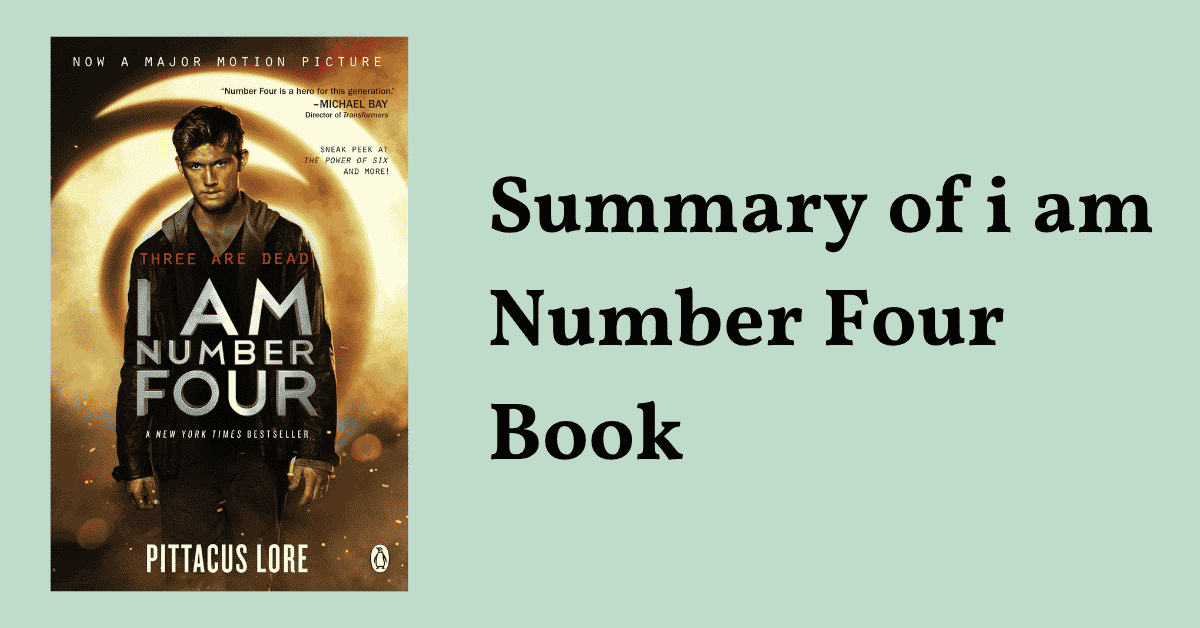
Remember that book, I Am Number Four ? It took the young adult world by storm a while back. If you’re curious about what all the fuss was about, or just want a refresher, you’ve come to the right place.
We’ll break down the story, the characters, and why it hooked so many readers. Think of this as us chatting about it over a big cup of coffee.
This story matters because it blends sci-fi action with relatable teen struggles. It’s about finding out who you are, even when the universe throws everything at you. The author, Pittacus Lore, uses a pen name, adding a bit of mystery.
In this article, we’ll give you a full rundown of I Am Number Four . We’ll cover the plot, the deep dives into the characters, and what makes the book so engaging. It became popular because it offered a fresh take on the alien-among-us trope, packing in adventure and a compelling mystery.
If you’re into sci-fi, fantasy, or just a gripping coming-of-age story with high stakes, you’ll want to stick around.
About the Author
Pittacus Lore isn’t your typical author. He’s actually a collective of writers, James Frey and Jobie Hughes. This approach added a unique layer to the series’ launch.
Frey is known for his controversial but popular memoir A Million Little Pieces . Hughes has also written several successful young adult novels. Their combined expertise in storytelling and marketing helped I Am Number Four make a big splash.
Readers trust this collaboration because they’ve shown they can create engaging, fast-paced narratives that resonate with a young audience. Their understanding of what captures the imagination is evident in the book’s success.
What Is This Book About?
The central idea of I Am Number Four is that we are not alone, and sometimes, our greatest strengths are also our biggest secrets. The book tackles the problem of being an outsider, constantly on the run, and forced to hide your true identity. The author’s philosophy is that everyone has a destiny and a unique power.
It’s about embracing that power, even when it makes you a target. The overall message is about courage, forging connections, and accepting who you are, no matter the danger. It’s a story about discovering your true self when you’re literally hiding from the entire universe.
Chapter-by-Chapter Summary
Let’s dive into the nitty-gritty of the story. The book is told from the perspective of Number Four, also known as John Smith.
Chapter 1-3: The New Town, The New Name
-
Main Idea: John and his guardian, Henri, arrive in a small town in Ohio, Paradise, under yet another new identity. John struggles with his constant need to move and the loneliness it brings. He’s trying to live a normal life, but he feels like a ticking time bomb.
-
Important Lessons: The difficulty of building lasting relationships when you can’t stay anywhere for long. The importance of adapting to new environments.
-
Key Quotes or Concepts: The feeling of being constantly watched, even when no one is around. The concept of “Legacies,” which are special powers developed by their kind.
-
Real-Life Examples: Think about moving to a new school or job. You have to learn new names, new routines, and try to fit in, all while feeling a bit lost. John’s situation is that, magnified by alien threats.
-
Practical Applications: Learning to be observant of your surroundings and the people in them. Understanding that change is often necessary for growth, even if it’s uncomfortable.
-
What Readers Can Learn: The foundational struggle of feeling like an outsider and the yearning for normalcy. We see John’s internal conflict between wanting to be ordinary and knowing he’s anything but.
Chapter 4-6: School Life and First Signs of Trouble
-
Main Idea: John starts at Paradise High. He immediately clashes with the school bully, Mark. He also meets Sarah, a girl who captures his attention, and Sam, a conspiracy theorist who becomes his unlikely friend. Strange events start happening, hinting that their hiding might be compromised.
-
Important Lessons: The courage it takes to stand up to bullies, even when you’re afraid. The importance of genuine connections and finding people who accept you.
-
Key Quotes or Concepts: “Loric” is the name of their species. The “Garde” are the children sent to Earth to survive. Numbering keeps them organized and identifiable.
-
Real-Life Examples: The classic high school drama: the bully, the crush, the quirky friend. John’s attempt to integrate into this social structure is relatable.
-
Practical Applications: How to navigate social hierarchies and develop friendships. The idea that sometimes, the people who seem the most out of place are the ones who understand you best.
-
What Readers Can Learn: The introduction of key supporting characters and the establishment of John’s desire for a normal life. We see the beginnings of his powers manifesting subtly.
Chapter 7-10: The First Legacy and a Growing Threat
-
Main Idea: John discovers his first Legacy: Luminescence, the ability to emit light. This power flares up during a confrontation with Mark, revealing a glimpse of his true nature. He also starts noticing strange symbols appearing, which he recognizes as markings left by their enemies, the Mogadorians.
-
Important Lessons: Powers aren’t always easy to control. Sometimes, revealing a part of yourself, even accidentally, can attract unwanted attention.
-
Key Quotes or Concepts: The “X’s” are the markings left by the Mogadorians, indicating the elders they’ve killed. A Garde can only be killed in order.
-
Real-Life Examples: Imagine discovering you have a hidden talent or a skill you never knew you possessed. It might be exciting, but it can also be overwhelming and potentially put you in a difficult position.
-
Practical Applications: Understanding that self-discovery can be a process, sometimes revealing itself under pressure. Learning to manage new abilities and the responsibilities they bring.
-
What Readers Can Learn: The first overt manifestation of a Guardian’s powers and the immediate danger it signals. The stakes are raised considerably.
Chapter 11-14: The Mogadorians Arrive
-
Main Idea: The Mogadorians make their move. They track John to Paradise, and he has his first direct encounter with them. Henri’s training kicks in, and John has to use his growing powers to survive. He learns the true extent of the threat and why he’s being hunted.
-
Important Lessons: When your safety is threatened, instinct and training become paramount. Facing your fears head-on is often the only way to overcome them.
-
Key Quotes or Concepts: The Mogadorians are a ruthless alien race bent on destroying the Garde. Henri is a skilled warrior and protector.
-
Real-Life Examples: Think of moments when you faced a serious challenge or danger. Your training, your instincts, and the people around you often determine how you react and survive.
-
Practical Applications: The importance of being prepared for the unexpected. Relying on mentors and allies when faced with overwhelming odds.
-
What Readers Can Learn: The first major action sequence where John is forced to fight for his life. The Mogadorians are revealed as terrifying antagonists.
Chapter 15-18: The Escape and Allies
-
Main Idea: With Henri’s help, John escapes the Mogadorian attack. During their flight, he finally meets Number Six, another Garde who has been a mysterious presence. Six proves to be incredibly powerful and a vital ally. They decide to work together.
-
Important Lessons: True strength often comes from unity. Allies can appear in unexpected forms and provide crucial support.
-
Key Quotes or Concepts: The bond between Garde is strong, even if they haven’t met. The idea of a prophecy or destiny guiding their survival.
-
Real-Life Examples: When you’re going through a tough time, finding support from friends, family, or even strangers can make a huge difference. Sharing the burden often makes it lighter.
-
Practical Applications: Recognizing the value of teamwork and collaboration. Trusting others, especially those who share your struggles or goals.
-
What Readers Can Learn: The introduction of a key ally and a shift in John’s understanding of his situation. He’s no longer entirely alone.
Chapter 19-End: Confrontation and the Path Forward
-
Main Idea: John, Six, and an escaped Sam confront the Mogadorians in a final showdown at the high school. John fully embraces his powers, particularly his Luminescence and a newfound ability to control his Cephenar, a Loric artifact that amplifies his powers. He begins to understand his true potential.
-
Important Lessons: True strength comes from fully embracing who you are, not hiding it. The fight for survival is ongoing, but hope remains.
-
Key Quotes or Concepts: The Cephenar is a powerful Loric object. The fight for Earth is just beginning.
-
Real-Life Examples: Overcoming a major obstacle or a significant personal challenge often requires you to dig deep and tap into strengths you didn’t know you had.
-
Practical Applications: Embracing your unique talents and using them for good. Understanding that challenges are opportunities for growth. The importance of fighting for what you believe in.
-
What Readers Can Learn: The thrilling climax of the first book, where John steps into his destiny. The ending sets up future conflicts and establishes the main characters’ roles in the ongoing war.
Biggest Lessons From The Book
-
Embrace Your Uniqueness: John hides his powers, fearing them. The book shows that these powers are part of him and essential for survival. Why it matters: We all have unique talents and traits. Hiding them limits our potential and can lead to unhappiness.
-
Real-life example: A shy person with a powerful voice who avoids public speaking.
-
How readers can apply it: Identify your strengths, even the ones that feel a bit awkward or different, and find ways to use them.
-
Identity is About More Than Hiding: John’s constant changing of names and locations is his way of hiding. But true identity is internal. Why it matters: Pretending to be someone you’re not is exhausting. Authenticity builds deeper connections.
-
Real-life example: Trying to fit in with a group by acting like them, rather than being yourself.
-
How readers can apply it: Focus on understanding your core values and beliefs, and let them guide your actions.
-
Friendship is a Shield: John’s loneliness is a significant burden. Sam and later Six become crucial allies. Why it matters: Connecting with others provides support, perspective, and strength.
-
Real-life example: Finding a support group when facing a difficult illness.
-
How readers can apply it: Cultivate meaningful relationships. Be a good friend and allow others to be there for you.
-
Bullying is a Symptom of Insecurity: Mark’s aggression towards John is a classic bully behavior, often stemming from his own struggles. Why it matters: Understanding the roots of aggression can help us respond more effectively and compassionately.
-
Real-life example: Witnessing someone being mean to a new student.
-
How readers can apply it: Instead of escalating conflict, try to de-escalate or understand the underlying issues.
-
Your Past Doesn’t Define Your Future, But It Shapes You: John’s Loric heritage is a burden, but it also gives him purpose. Why it matters: We can’t change where we came from, but we can choose how its lessons influence our future actions.
-
Real-life example: Someone overcoming a difficult childhood to become a successful, compassionate adult.
-
How readers can apply it: Learn from your experiences, both positive and negative, without letting them limit your potential.
-
Action Over Inaction: John often hesitates, fearful of revealing his powers. The book shows that sometimes, decisive action is necessary. Why it matters: Procrastination or fear can lead to missed opportunities or greater danger.
-
Real-life example: Waiting too long to apply for a job or confess your feelings.
-
How readers can apply it: When faced with a challenge, assess the situation and take a step forward, rather than freezing.
-
Mentorship is Vital: Henri’s guidance is essential for John’s survival and development. Why it matters: Experienced individuals can offer invaluable advice and support, helping us avoid mistakes and grow faster.
-
Real-life example: An intern learning from a seasoned professional.
-
How readers can apply it: Seek out mentors or people who have knowledge you need. Be open to learning from others.
-
The World is Bigger Than You Think: John’s entire existence is proof that there’s more to reality than meets the eye. Why it matters: Humility and an open mind are crucial for learning and understanding.
-
Real-life example: Discovering a new scientific breakthrough that changes our understanding of the universe.
-
How readers can apply it: Maintain curiosity and be willing to question your assumptions about the world.
-
Even Small Acts of Kindness Matter: Sarah’s kindness towards John, despite his guarded nature, makes a difference. Why it matters: Compassion can create ripple effects, impacting individuals and communities.
-
Real-life example: A stranger holding a door open for someone struggling.
-
How readers can apply it: Be kind to others, even when it seems insignificant.
-
Destiny is Not Fixed, It’s Forged: While John has a destiny, his choices shape how it unfolds. Why it matters: We have agency in our lives. Our decisions and actions play a huge role in determining our path.
-
Real-life example: An athlete who trains relentlessly to achieve their Olympic dreams.
-
How readers can apply it: Understand that while circumstances may present challenges, you have the power to make choices that steer your life.
-
Fear is a Powerful Weapon, But It Can Be Overcome: The Mogadorians use fear to control. John learns to face and conquer his own fear. Why it matters: Fear often paralyzes us and prevents us from acting. Recognizing and managing fear is key to progress.
-
Real-life example: Overcoming the fear of flying to travel and see new places.
-
How readers can apply it: Acknowledge your fears, understand their source, and take small steps to confront them.
-
Home Isn’t Just a Place, It’s a Feeling: John is always looking for a place to belong. Home is where he feels safe and accepted, not just a physical location. Why it matters: A sense of belonging is a fundamental human need. It’s about connection and acceptance.
-
Real-life example: Feeling at home among a group of like-minded hobbyists.
-
How readers can apply it: Seek out communities where you feel valued, and try to create a sense of belonging for others.
Most Powerful Quotes And Their Meaning
“I am Number Four.”
-
What it means: This simple declaration is the core of John’s identity crisis. He’s defined by his number, a mark of his fugitive status, rather than a true name or personal history.
-
Why it matters: It highlights the dehumanizing effect of being constantly on the run and the struggle to find individual identity.
-
How it applies in daily life: It reminds us to look beyond labels and titles that society or circumstances impose, and find our own name, our own essence.
“We’re not running anymore. We’re fighting.”
-
What it means: This quote signifies a turning point for John. He realizes that hiding indefinitely isn’t a viable strategy and that confronting the threat is now necessary.
-
Why it matters: It’s about shifting from a defensive posture to an offensive one, taking control of one’s destiny rather than being dictated by external forces.
-
How it applies in daily life: When faced with persistent problems, eventually, you have to stop trying to avoid them and start tackling them head-on.
“They can take our homes, our lives, our bodies. But they can’t take our Lorien.”
-
What it means: This speaks to the enduring spirit and heritage of the Loric people. Even if their planet is gone and they are scattered, their culture and identity remain.
-
Why it matters: It emphasizes the power of cultural memory and inner resilience. What makes you you is often something that cannot be physically taken away.
-
How it applies in daily life: Our values, our memories, our learned ethics, these form an unassailable inner core that defines us.
“The X’s are the mark of the elders. They killed them in order: One, Two, Three…”
-
What it means: This reveals the brutal efficiency and methodical nature of the Mogadorian hunt. The numbers are critical, and the killing happens sequentially.
-
Why it matters: It establishes the dire stakes and the specific threat the Garde face. It’s not random violence; it’s a targeted eradication.
-
How it applies in daily life: Understanding the “rules” or patterns of a challenge can help you strategize and protect yourself more effectively. It’s about knowing your enemy.
Key Concepts Explained Simply
-
The Garde: Think of them as a group of powerful kids sent from another planet to Earth to hide and survive. They all have special powers, or “Legacies,” that emerge as they grow up. Each Garde is born with a number, and they’re hunted by enemies in that specific order.
-
Legacies: These are like superpowers. John’s first one is Luminescence, meaning he can glow. Other Garde have different abilities, like super strength, telekinesis, or controlling fire. They’re not just random powers; they’re tied to their Loric heritage.
-
Mogadorians: These are the bad guys. They’re a ruthless alien race that wants to wipe out the Garde. They’re like space hunters, tracking down these kids one by one. They’re also technologically advanced, making them a formidable threat.
-
Lorien: This is the name of the planet the Garde come from. It was a peaceful, advanced world that was destroyed. The Garde are the last remnants, sent to Earth as its last hope. It’s their lost home, filled with a rich history and advanced knowledge.
-
Cephenar: This is a special Loric artifact that John uses. It’s not just a weapon; it’s something that can help control and amplify his powers. It’s a symbol of his Loric heritage and a tool for his destiny.
How To Apply The Book In Real Life
-
Daily Habits: Mindfulness: Take a few minutes each day to just be present. Notice what’s happening around you. This is like John being aware of potential threats.
-
Self-Reflection: Spend a few minutes journaling or thinking about your day. What went well? What was challenging? This helps you understand your own “Legacies.”
-
Weekly Habits: Connect with Others: Make an effort to have meaningful conversations with friends or family. Build those supportive bonds.
-
Learn Something New: Read a book , watch a documentary, or try a new skill. Expanding your knowledge is like discovering a new Legacy.
-
Mindset Shifts: Embrace Challenges: Instead of fearing difficult situations, try to see them as opportunities to learn and grow, like John facing the Mogadorians.
-
Focus on Strengths: Identify your personal strengths and find ways to use them more often. Don’t shy away from what makes you unique.
-
Communication Techniques: Active Listening: When someone speaks, really try to hear them. Understand their perspective, rather than just waiting for your turn to talk.
-
Honest Expression: Learn to articulate your feelings and needs clearly and respectfully, even when it’s difficult.
-
Leadership Lessons: Inspire Trust: Be reliable and truthful. People are more likely to follow someone they trust.
-
Protect Your Team: Look out for the well-being of those around you, just as Henri protects John.
-
Personal Growth Practices: Step Outside Your Comfort Zone: Consciously do something that makes you a little nervous each week, whether it’s social or a task.
-
Forgive and Let Go: Holding onto grudges or past mistakes is like carrying unnecessary baggage. Learn to move forward.
Common Mistakes People Make When Applying These Ideas
-
Mistake: Trying to force a superpower that isn’t there. Why it happens: People might misunderstand the “Legacies” and think they need to discover a dramatic, magical ability.
-
Better alternative: Focus on developing your actual strengths and skills, which are your personal “Legacies.” These could be empathy, creativity, problem-solving, etc.
-
Benefit: You’ll find genuine areas for growth and accomplishment.
-
Mistake: Isolating yourself when facing problems. Why it happens: The book shows characters hiding. Some might interpret this as the lone wolf approach.
-
Better alternative: Seek out trusted friends, family, or mentors for support. Sharing your burden makes it lighter.
-
Benefit: You get different perspectives and emotional strength.
-
Mistake: Being overly cautious and never taking risks. Why it happens: John’s initial fear of detection leads to a very restricted life.
-
Better alternative: Take calculated risks. Understand the potential downsides, but also the potential rewards of stepping out of your comfort zone.
-
Benefit: You unlock new opportunities and personal growth.
-
Mistake: Mistaking external validation for true self-worth. Why it happens: John initially craves a normal life and acceptance from Sarah’s peers.
-
Better alternative: Understand that your worth comes from within. External praise is nice, but it shouldn’t be your only measure.
-
Benefit: You become more resilient and less dependent on others’ opinions.
-
Mistake: Mistaking external validation for true self-worth. Why it happens: John initially craves a normal life and acceptance from Sarah’s peers.
-
Better alternative: Understand that your worth comes from within. External praise is nice, but it shouldn’t be your only measure.
-
Benefit: You become more resilient and less dependent on others’ opinions.
Benefits Of Reading This Book
-
Personal Growth Benefits: You’ll be inspired to find and embrace your own unique strengths. It encourages self-acceptance and the courage to be yourself. It also highlights the importance of resilience in the face of adversity.
-
Professional Benefits: The book subtly touches on teamwork, leadership, and strategic thinking. Understanding how to work with others and adapt to new challenges is valuable in any career. Learning to face problems head-on is a vital professional skill.
-
Emotional Benefits: It provides a cathartic experience by exploring themes of loneliness, fear, and belonging. The characters’ journeys can help readers process their own emotions. It offers hope and a sense of possibility.
-
Relationship Benefits: The emphasis on friendship and loyalty is powerful. It reminds us to cherish our allies and build strong, supportive connections. It also shows the impact of kindness.
-
Leadership Benefits: John’s journey from a reluctant fugitive to someone who embraces his destiny offers lessons in stepping up into responsibility. The characters’ reliance on each other also demonstrates collaborative leadership.
Criticisms And Limitations
-
Common Criticisms: Some readers found the romance between John and Sarah a bit cliché or underdeveloped because of how quickly it happened. The pacing, while often fast, can sometimes feel a little rushed in certain plot points.
-
Weak Points: The initial setup of John and Henri’s constant running could feel a bit repetitive before Sarah and Sam enter the picture. Some plot conveniences might stretch believability for more discerning sci-fi readers.
-
Situations Where Advice May Not Work: While the book encourages embracing your unique traits, apply this wisely. If your “unique trait” is genuinely harmful to others, that’s not something to embrace but to actively manage and change. The fight-or-flight advice is for existential threats; it’s not a blanket solution for everyday disagreements. Always consider the context and consequences.
Similar Books To Read Next
Book Author Why Read It
The Hunger Games Suzanne Collins Shares themes of survival, rebellion, and a strong young protagonist thrust into a dangerous world.
Divergent Veronica Roth Explores identity, societal structures, and a protagonist discovering his unique abilities within a factionalized system.
The Maze Runner James Dashner Features young protagonists trapped in a mysterious, dangerous environment, trying to survive and escape.
Eragon Christopher Paolini A classic fantasy tale of a farm boy discovering his destiny, special powers, and fighting a tyrannical force.
Maximum Ride (series) James Patterson Focuses on genetically modified children with powers on the run from their creators, similar action-adventure.
Twilight Stephenie Meyer While the genre differs, it shares the teen romance-with-a-secret-supernatural-element angle.
This Is Where It Ends Marieke Nijkamp Deals with intense, high-stakes situations where young people have to survive and make life-altering choices.
The Giver Lois Lowry A foundational dystopian novel exploring memory, individuality, and a suppressed society.
Who Should Read This Book?
-
Students: It’s an engaging read that sparks imagination and can introduce complex themes in an accessible way.
-
Entrepreneurs: The theme of innovation and survival, adapting to new environments, and building a “team” can resonate with startup journeys.
-
Managers: Lessons on leadership, protecting your team, and strategy are subtly woven into the narrative.
-
Leaders: Understanding how to motivate and protect a group, and stepping into difficult roles, are key takeaways.
-
Professionals: The importance of knowing your strengths and facing challenges directly is universally applicable.
-
Parents: It can be a way to connect with young adults or teenagers by understanding the stories they enjoy and the themes that resonate with them.
-
Self-improvement readers: Anyone looking for a story about identity, courage, and overcoming adversity will find something valuable here.
Frequently Asked Questions (FAQ)
- Q: Is I Am Number Four part of a series?
A: Yes! I Am Number Four is the first book in the “Lorien Legacies” series. There are six books in total, continuing John’s story.
- Q: Who are the main characters in I Am Number Four ?
A: The main characters are John Smith (Number Four), Henri (his guardian), Sarah Hart (his love interest), Sam Goode (his friend), and Number Six (another Garde).
- Q: What is John’s main power in the book?
A: John’s first developed Legacy is Luminescence, the ability to emit light. He later develops other powers.
- Q: Why are the Garde being hunted in order (1, 2, 3…)?
A: The Mogadorians kill the Garde sequentially because their powers are connected. Once one Garde is killed, their “inherent energy” is transferred to the next in line, making them stronger but also easier to track.
- Q: What is a Legacy?
A: A Legacy is a special power or ability that the Garde develop as they grow up, tied to their Loric heritage.
- Q: Is there a movie adaptation of I Am Number Four ?
A: Yes, there is a movie adaptation that came out in 2011, starring Alex Pettyfer as John Smith.
- Q: What kind of planet is Lorien?
A: Lorien was a peaceful, highly advanced planet that was destroyed by the Mogadorians. The Garde are the last survivors sent to Earth to survive and eventually fight back.
- Q: How does John meet Number Six?
A: John and Henri encounter Number Six shortly after fleeing their previous home, after the Mogadorians attack John. Six is initially mysterious but quickly becomes a crucial ally.
- Q: What is the main conflict driving the plot?
A: The main conflict is John’s struggle to survive and hide from the Mogadorians, while also grappling with his developing powers and a desire for a normal life.
- Q: What are the X’s mentioned in the book?
A: The X’s are markings left by the Mogadorians on the trees at the locations where they have successfully killed a Garde. They are a grim sign of their progress.
- Q: Is I Am Number Four suitable for younger readers?
A: It’s generally considered young adult fiction, so it’s appropriate for teens. It contains action and some intense situations but has less graphic content than some adult thrillers.
-
Q: What kind
-
Q: How
-
Q: What
Final Verdict
I Am Number Four is a thrilling ride that masterfully blends science fiction with the universal struggles of adolescence. It’s a story about surviving not just extraterrestrial threats, but also the internal battles of identity, belonging, and courage. The book excels at creating a sense of urgency and mystery, pulling readers into John’s ever-present danger.
Its strength lies in its fast-paced action, relatable characters (even when they’re aliens!), and the underlying themes of self-discovery.
While some might find the romance aspect a touch conventional, it serves the story well by providing John with a reason to pause and connect. The book’s primary weakness, if it can be called that, is that it’s the first in a series, and some plot threads are intentionally left open to be explored later.
Is the book worth reading? Absolutely. It’s a fantastic entry point into the young adult sci-fi genre and offers a compelling narrative for anyone looking for adventure and heart.
Readers who enjoy stories about hidden powers, coming-of-age under pressure, and fighting for what’s right will benefit the most.
The ultimate takeaway? You might feel like you’re just one person in a big, complicated world, but within you lies a unique strength, a “Legacy,” waiting to be discovered and used. Don’t just hide from the challenges life throws at you; learn to fight, to connect, and to embrace who you truly are.
That’s where your real power lies.