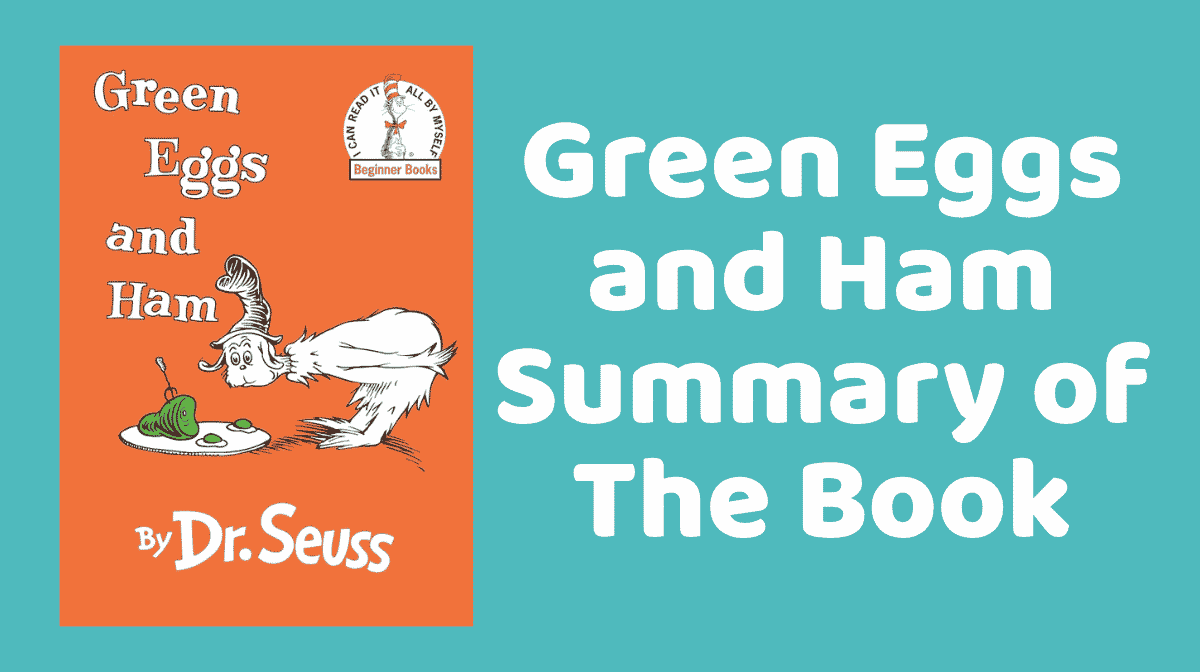
It’s more than just a silly rhyme; it’s a little gem packed with lessons for kids and, honestly, for us grown-ups too. We’ll break down what makes this book tick, why it’s still so beloved after all these years, and what you can actually take away from Sam-I-Am’s persistent quest.
Dr. Seuss, the brilliant mind behind this book, has a way of making the simple profound. “Green Eggs and Ham” isn’t just a story; it’s a cultural touchstone.
Its popularity comes from its sheer, unadulterated fun combined with a surprisingly universal message. It’s the kind of book that gets younger readers hooked on the joy of reading. And that’s why it matters, even today, especially in our fast-paced world where sometimes we just need a good, honest laugh and a reminder to be open to new things.
In this deep dive, we’ll walk through the whole story, explore the lessons, look at quotes that stick with you, and even see how you can use its simple wisdom in your own life. We’ll cover everything from the author’s background to why this book is a must-read for pretty much everyone. Get ready to see “Green Eggs and Ham” in a whole new light.
About the Author
Theodor Seuss Geisel, better known to the world as Dr. Seuss, was an American children’s author, political cartoonist, illustrator, poet, animator, and filmmaker. Born in Springfield, Massachusetts, in 1904, he created some of the most beloved and enduring books for children.
His unique style, characterized by whimsical rhymes, imaginative characters, and often profound underlying messages, has had a massive impact on literacy and literature.
Geisel’s career began with advertising, but he found his true calling in children’s books. He famously was challenged to write a book using only 225 new-reader vocabulary words, a task that directly led to the creation of “The Cat in the Hat.” This led him to create Beginner Books, a division of Random House, dedicated to making reading fun and accessible for young children.
His expertise lay in his ability to connect with children on their level, using a playful, rhythmic language that was both entertaining and educational. He understood the rhythm of childhood speech and the power of repetition. Dr.
Seuss received numerous accolades for his work, including a special Pulitzer Prize in 1984 for his contribution to children’s literature.
Beyond “Green Eggs and Ham” and “The Cat in the Hat,” his other major achievements include classics like “Horton Hears a Who!,” “The Lorax,” “How the Grinch Stole Christmas!,” and “One Fish Two Fish Red Fish Blue Fish.” These books are testament to his genius, not only for their creative brilliance but also for their enduring moral and educational value. Readers trust Dr. Seuss because his stories, while fun, also subtly teach vital lessons about tolerance, environmentalism, and the importance of trying new things.
What Is This Book About?
At its heart, “Green Eggs and Ham” is about a simple, yet powerful, idea: try new things . The book centers on a persistent character, Sam-I-Am, who wants another character, who we’ll call “The Refuser,” to try a peculiar dish: green eggs and ham. The Refuser, however, is vehemently against the idea, refusing it in every conceivable location and with every possible companion.
The main problem the book tries to solve, on a very basic level, is the stubborn refusal to experience something new. The Refuser represents anyone who shuts down an idea or an experience before even giving it a chance. Sam-I-Am, on the other hand, embodies the spirit of encouragement and persistence, gently (and sometimes not so gently!) pushing The Refuser to step outside his comfort zone.
Dr. Seuss’s philosophy here is wonderfully straightforward. He believed that many of life’s joys are missed because of prejudice or fear of the unknown.
The author’s message is clear: don’t judge something until you’ve actually experienced it. That strange, new thing might just be wonderful.
Chapter-by-Chapter Summary
Now, because “Green Eggs and Ham” is a relatively short book that’s structured as a cumulative tale, we won’t have traditional “chapters” like a grown-up novel. Instead, we’ll walk through the story as it unfolds, scene by scene, showing how Sam-I-Am’s offers and The Refuser’s rejections build upon each other.
Part 1: The Initial Refusal
-
Main Idea: Introducing the core conflict, The Refuser’s absolute rejection of green eggs and ham.
-
Important Lessons: The book immediately establishes the theme of stubbornness and preconceived notions. It shows how quickly someone can say “no” without any reason offered.
-
Key Quotes or Concepts: “I do not like green eggs and ham. I do not like them, Sam-I-Am.” This is the central refrain, setting the stage for the entire book.
-
Real-Life Examples: A child refusing to try a new vegetable because it looks “weird” or a friend declining an invitation to a new restaurant without knowing anything about it.
-
Practical Applications: This beginning highlights the importance of understanding why someone has a certain opinion. It’s the starting point for dialogue.
Part 2: The Invitation Expands, Locations
-
Main Idea: Sam-I-Am continues to offer, this time suggesting different places where The Refuser might try them.
-
Important Lessons: Persistence can take many forms. Sam-I-Am is relentless, moving from a simple “no” to a more complex series of rejections based on setting. The lesson here is that changing the environment doesn’t always change a closed mind.
-
Key Quotes or Concepts: “I do not like them in a house. I do not like them with a mouse.” This introduces the pattern of adding specific dislikes tied to locations. Other examples include “in a box,” “with a fox,” “in a car,” “with a star.”
-
Real-Life Examples: Trying to convince someone to join a new hobby group, suggesting they meet first at a casual coffee shop before committing to a full workshop. Or perhaps trying a new food at a picnic instead of a formal dinner.
-
Practical Applications: While the book uses these for comedic effect, in real life, suggesting alternative settings can sometimes ease anxiety for someone hesitant about a new experience. However, it also shows that sometimes the venue isn’t the issue; it’s the activity itself.
Part 3: The Invitation Expands, Companions
-
Main Idea: Sam-I-Am introduces more scenarios, this time focusing on who The Refuser might eat with.
-
Important Lessons: This section emphasizes that sometimes our opinions are influenced by who we’re with or the social context. The Refuser is steadfast, rejecting the idea even in more varied social settings. The core message is that the idea of green eggs and ham is the problem, not the company.
-
Key Quotes or Concepts: “I do not like them in a tree. I do not like them with a bee.” Then later, “I do not like them here or there. I do not like them anywhere.” This progression shows the increasing desperation and the broadness of the refusal.
-
Real-Life Examples: A picky eater refusing to try a dish even when their friends are enjoying it, or someone avoiding a social event because they don’t know many people there.
-
Practical Applications: This part of the story shows us that sometimes, no matter how agreeable the circumstances, a firm “no” can stem from deeper reasons. It encourages us to look beyond superficial objections.
Part 4: The Breaking Point and The Try
-
Main Idea: The Refuser is boxed in by Sam-I-Am’s relentless offers and finally capitulates to try anything just to make Sam-I-Am stop.
-
Important Lessons: This is the crucial turning point. Sometimes, we have to be pushed to the edge of our comfort zone to finally try something. The lesson here is also about the relief that can come when we finally give in and experience what we feared.
-
Key Quotes or Concepts: “A car, a car! With a fox? With a box?… With a mouse? In a house? In a tree? With a bee? In a boat? With a goat? In a car? With a star? In a train? In the rain? Say! In a box? In a house? In a tree? In a car? Say! I do not like them anywhere! But I will try them with my friend.” This shows the sheer accumulation of rejected scenarios.
-
Real-Life Examples: A friend finally agreeing to go on a hiking trip after weeks of excuses, or agreeing to try a new dish at a potluck after declining every other suggestion.
-
Practical Applications: This is where the “challenge” part of the book really pays off. It nudges us to consider that a little bit of gentle (or persistent!) encouragement might be exactly what someone needs to discover something they enjoy.
Part 5: The Revelation
-
Main Idea: The Refuser tastes the green eggs and ham and discovers he actually likes them.
-
Important Lessons: This is the grand reveal and the core moral. What was feared and disliked without reason turned out to be enjoyable. It’s a powerful message about the limitations of prejudice and the rewards of open-mindedness.
-
Key Quotes or Concepts: “I do so like green eggs and ham! Thank you. Thank you, Sam-I-Am.” The absolute reversal is striking and satisfying.
-
Real-Life Examples: The child who hated broccoli, finally tries it roasted and loves it. The colleague who thought a certain software would be too complex, finds it surprisingly easy to use and beneficial.
-
Practical Applications: This shows us that our initial reactions aren’t always accurate. We should be open to new experiences because we might be pleasantly surprised by what we find. It also teaches us that admitting we were wrong and changing our minds is a strength, not a weakness.
Biggest Lessons From The Book
“Green Eggs and Ham” might seem simple, but it’s a treasure chest of life lessons. Here are some of the biggest takeaways:
-
Lesson: Be Open to New Experiences. Why it matters: Sticking only to what we know can lead us to miss out on wonderful things. Life is richer when we allow ourselves to explore the unfamiliar.
-
Real-life example: Refusing to try a new cuisine might mean missing out on your new favorite meal.
-
How to apply it: Make a conscious effort to say “yes” to one new thing each week, whether it’s a new food, a different route to work, or a new genre of music.
-
Lesson: Don’t Judge a Book (or Food) by its Cover. Why it matters: Our initial perceptions can be flawed. We often create prejudices based on assumptions rather than facts or personal experience.
-
Real-life example: Assuming a difficult book will be boring, only to find it captivating once you start reading.
-
How to apply it: When faced with something you’re hesitant about, ask yourself: “What is my actual reason for not wanting to try this?” If it’s just a feeling, give it a shot.
-
Lesson: Persistence Pays Off (When it’s positive). Why it matters: Sometimes, with encouragement and a little gentle pushing, people can discover things they truly enjoy. Sam-I-Am’s persistence, while comical, ultimately leads to a positive outcome.
-
Real-life example: A coach encouraging an athlete to keep practicing a new skill, even when they struggle initially, leading to mastery.
-
How to apply it: When trying to introduce something beneficial and enjoyable to others, don’t give up after the first “no.” Find different ways to present it or different contexts, but know when to respect a firm boundary too.
-
Lesson: The Importance of Trying. Why it matters: You’ll never know if you like something unless you actually try it. The act of trying is a step forward, regardless of the outcome.
-
Real-life example: Taking a dance class just to see if you enjoy it, even if you think you have two left feet.
-
How to apply it: When presented with an opportunity or a suggestion, frame it as an experiment. “I’ll try it and see what happens.”
-
Lesson: Admitting You Were Wrong is Not Failure. Why it matters: The Refuser’s eventual liking of green eggs and ham shows that changing your mind is a sign of growth and flexibility, not weakness.
-
Real-life example: Realizing a political stance you held strongly isn’t serving you anymore and evolving your view.
-
How to apply it: Be willing to re-evaluate your opinions and preferences. If new information or experience contradicts your previous belief, embrace the change.
-
Lesson: Familiarity Breeds Contentment, but Newness Breeds Discovery. Why it matters: While comfort is good, staying solely within our comfort zone limits our potential for joy and learning.
-
Real-life example: Always eating the same three meals, then discovering a whole world of culinary possibilities.
-
How to apply it: Actively seek out novelty to break routine and expand your horizons.
-
Lesson: Sometimes, the Hype is Real. Why it matters: What seems strange or off-putting externally might actually be delightful upon experiencing it.
-
Real-life example: Hearing rave reviews about a movie and finally seeing it, only to understand why everyone loved it.
-
How to apply it: Approach things that have positive reputations with an open mind.
-
Lesson: Simple Language Can Convey Deep Truths. Why it matters: Dr. Seuss shows that profound messages don’t need complex vocabulary. Clarity and rhythm can be incredibly effective for teaching.
-
Real-life example: Explaining a moral concept to a child using simple, relatable terms.
-
How to apply it: When explaining concepts or ideas, aim for clarity and directness, rather than jargon.
-
Lesson: The Power of a Question. Why it matters: Sam-I-Am doesn’t just demand; he asks. His questions, though persistent, are invitations.
-
Real-life example: Instead of telling someone they should like something, asking “Have you ever tried…?”
-
How to apply it: Use questions to invite exploration rather than dictate action.
-
Lesson: Context Matters, But the Core Idea is Key. Why it matters: The Refuser rejected green eggs and ham in a car, in a house, with a fox, with a mouse. He rejected every context . This showed that the issue wasn’t the where or who , but the what .
-
Real-life example: Someone disliking a particular type of exercise, no matter if it’s done indoors, outdoors, or in a group.
-
How to apply it: When trying to understand resistance, look beyond surface-level excuses.
Most Powerful Quotes And Their Meaning
“I do not like green eggs and ham. I do not like them, Sam-I-Am.”
-
What it means: This is the book’s foundational statement of refusal and dislike. It’s a blunt, absolute rejection without any explanation other than the categorical dislike itself.
-
Why it matters: It sets up the entire conflict and the problem that Sam-I-Am works to solve. It represents any ingrained prejudice or fear of the unknown.
-
How it applies in daily life: We all have things we “just don’t like” without really knowing why. This quote is a reminder of that initial, often irrational, stance. It’s the starting point for anyone who needs to be convinced.
“I do not like them in a house. I do not like them with a mouse.”
-
What it means: This quote and its variations show the growing list of specific, yet still arbitrary, reasons for rejection. The problem isn’t just the food; it’s the food in specific, imagined scenarios .
-
Why it matters: It highlights how we can build elaborate justifications for our fears or dislikes, often creating scenarios that aren’t real or relevant. It shows the escalation of a closed mind.
-
How it applies in daily life: We might say, “I don’t like public speaking,” and then add, “especially not in front of a large crowd,” or “if I have to wear a tie.” These specific conditions are often just extensions of the initial avoidance.
“Would you like them here or there? I would not like them here or there. I would not like them anywhere!”
-
What it means: This is the ultimate expression of complete, unyielding rejection. The Refuser has closed himself off to the possibility entirely, no matter the circumstance or location.
-
Why it matters: It demonstrates the absolute limit of stubbornness and closed-mindedness. It’s the point before a potential shift occurs, showing the depth of the refusal.
-
How it applies in daily life: This captures the feeling of someone who is absolutely against an idea or a proposal, shutting down any attempt at negotiation or compromise. It represents a firm boundary, though in the book, it’s a boundary that’s about to be broken.
“I do so like green eggs and ham! Thank you. Thank you, Sam-I-Am.”
-
What it means: This is the miraculous about-face. After finally trying what he so vehemently rejected, the Refuser discovers his profound liking for it. It’s a joyous declaration of a changed perspective.
-
Why it matters: It’s the punchline and the moral of the story. It proves that persistence and the willingness to try can lead to delightful discoveries and a re-evaluation of one’s own prejudices.
-
How it applies in daily life: This is the moment of “aha!” when you try something new and absolutely love it. It’s the joy of overcoming your own hesitations and finding a new pleasure in life. It shows the reward of taking a chance.
Key Concepts Explained Simply
The Central Conflict: Refusal vs. Invitation
-
Explanation: It’s a battle between saying “no” and keeping saying “yes” (or at least, “try”). One character is happy staying in their comfort zone, the other wants to share a new experience.
-
Example/Analogy: Imagine you always eat plain toast for breakfast. Your friend keeps offering you a colorful fruit smoothie. You say, “No way!” Your friend says, “But what if we tried it on the porch? Or with a silly straw?” You keep saying no until finally, you just take a sip.
-
What readers learn: It shows that we often reject things before we even give them a chance. It teaches us to question our own automatic “no.”
Sam-I-Am’s Persistence
-
Explanation: Sam-I-Am doesn’t get discouraged easily. He keeps offering the green eggs and ham in different ways, in different places, with different companions, until the Refuser finally agrees.
-
Example/Analogy: Think of a friendly puppy trying to get you to play fetch. It drops the ball at your feet, nudges your hand, whines a little. Eventually, you might just pick up the ball to see the puppy’s happy wiggle.
-
What readers learn: This shows that sometimes, gentle, and consistent encouragement can actually be helpful. It’s about opening doors, not forcing people through them.
The “Green Eggs and Ham” Itself
-
Explanation: This isn’t just any food; it’s something described as strange and unappealing. Its color suggests it’s unusual, and the Refuser automatically assumes he won’t like it because of how it looks.
-
Example/Analogy: Think of trying a new, exotic fruit that looks a bit odd. Or listening to a type of music you’ve never heard before, it might sound strange at first.
-
What readers learn: It’s a stand-in for anything new, different, or potentially intimidating. The book uses it to represent all the things we might shy away from.
The Turning Point: The Try
-
Explanation: This is the magic moment. The Refuser’s “I will try them” is the critical shift. It’s the decision to overcome the ingrained refusal and simply experience it.
-
Example/Analogy: It’s like finally agreeing to go on that roller coaster you’ve been scared of. The act of getting on the ride, even with a nervous gulp, is the turning point.
-
What readers learn: This is the whole point! The willingness to try is where the discovery happens. Without the try, the Refuser would never have known he liked them.
How To Apply The Book In Real Life
The simple narrative of “Green Eggs and Ham” offers a surprisingly practical roadmap for personal growth. It’s not about literally eating green eggs and ham, but about adopting a more open and experimental mindset. Here’s how you can weave its wisdom into your daily life:
Daily Habits:
-
The “One New Thing” Challenge: Each day, commit to trying one small, new thing. This could be a different breakfast, listening to a new podcast episode on your commute, taking a slightly different route to your usual destination, or trying a new word in conversation.
-
Mindful Curiosity at Meals: When you’re presented with food, especially something unfamiliar, pause for a moment. Instead of an immediate “I don’t like this,” ask yourself, “What does it smell like? What does it look like?” Then, take a small bite with a curious mindset.
-
Active Listening Questions: When someone shares an idea or proposes something you might initially dismiss, practice asking clarifying questions instead of stating objections. “Can you tell me more about that?” or “What are the benefits you see?” are great starters.
Weekly Habits:
-
Explore a New Genre: Commit once a week to engaging with something outside your usual preferences. This could be reading a chapter of a book from a genre you never touch, listening to a music playlist completely different from your own, or watching a documentary on a subject you know nothing about.
-
The “Try It, Then Decide” Rule: For non-critical decisions or activities, implement a rule that you must try something at least once before outright rejection. This applies to social invitations, trying a new type of exercise, or exploring a new park.
-
Share a New Experience: Propose trying something new with a friend or family member. This could be a new restaurant, a local event, or a shared activity. It creates a supportive environment for stepping outside comfort zones.
Mindset Shifts:
-
Reframe “Dislike” as “Haven’t Experienced Yet”: When you catch yourself thinking or saying “I don’t like X,” try to mentally reframe it as “I haven’t experienced X in a way that I enjoy yet.” This subtle shift opens the door for future attempts.
-
Embrace the “What If?”: Instead of focusing on potential negative outcomes, actively consider the positive “what ifs.” What if I love this new food? What if this new skill opens up exciting opportunities?
-
Own Your Growth: Be ready to acknowledge when your initial hesitation was unfounded. Celebrate the moments when you tried something new and found you enjoyed it. This reinforces the positive behavior.
Communication Techniques:
-
The Sam-I-Am Approach to Suggestion: When suggesting something new to others, don’t just present it. Offer context, highlight potential benefits, and be patient. If they hesitate, offer alternative ways or times to engage.
-
Saying “Yes, And…” : In collaborative settings, practice the improvisational technique of “Yes, and…” Instead of shutting down an idea with “No, but…”, build upon it with “Yes, and here’s how we could make it even better…”
-
Expressing Surprise Positively: When you try something new and like it, express your surprise and pleasure. “Wow, I never thought I’d enjoy this so much!” This positive reinforcement encourages future exploration for yourself and others.
Leadership Lessons:
-
Encourage Experimentation: Create an environment where team members feel safe to try new approaches, even if they don’t immediately succeed. This fosters innovation and learning.
-
Lead by Example: Be open about your own willingness to try new things and your process for evaluating them. Share your discoveries and acknowledge when your initial assumptions were wrong.
-
Champion Open-Mindedness: If you observe someone being overly rigid or dismissive of new ideas, gently guide them towards the “try it first” philosophy. Ask questions like: “What would it take for you to be open to trying this?”
Personal Growth Practices:
-
Journaling About New Experiences: After trying something new, spend a few minutes reflecting on the experience. What did you learn? How did it make you feel? What were your initial reservations and how did they change?
-
Seek Out Novelty: Intentionally surround yourself with new inputs. Visit new places, listen to diverse speakers, read challenging texts. The broader your exposure, the more naturally you’ll adopt an open mindset.
-
Practice Gratitude for Discovery: Be thankful for the moments when trying something new leads to joy or learning. This positive association makes you more likely to repeat the behavior.
By consciously applying these principles, you transform the playful story of “Green Eggs and Ham” into a powerful tool for living a more adventurous, open, and fulfilling life. It’s about making the mundane exciting and the unknown inviting.
Common Mistakes People Make When Applying These Ideas
It’s easy to get the spirit of “Green Eggs and Ham” but sometimes we miss the mark when we try to live it. Here are a few common pitfalls:
-
Mistake: Being overly pushy or annoying (Misinterpreting Sam-I-Am’s persistence). Why it happens: We think Sam-I-Am’s endless offers were totally effective and admirable.
-
Better alternative: Sam-I-Am’s persistence works in the context of a children’s story, and ultimately, the Refuser tries it just to get him to stop. In real life, relentless pressure usually backfires and creates resentment. Instead, offer, explain, encourage, and then respect a firm “no.” Persistence should be gentle and inviting, not badgering.
-
Benefits: This maintains healthy relationships and respects individual autonomy.
-
Mistake: Trying only once and giving up (Treating the first try as definitive). Why it happens: We think if we don’t like something on the first go, that’s final. The Refuser initially said no to green eggs and ham.
-
Better alternative: The book shows a final try leading to discovery. In reality, some things might take a few tries, or a different preparation, or a different context to appreciate. If you don’t like a new food, maybe try it cooked differently. If a new hobby feels awkward the first time, consider attending a few more sessions.
-
Benefits: This allows for genuine discovery and avoids prematurely dismissing potentially enjoyable experiences.
-
Mistake: Thinking “trying” means “liking” (Confusing trial with endorsement). Why it happens: We see the happy ending where the Refuser likes green eggs and ham, so we assume trying automatically leads to liking.
-
Better alternative: The goal of trying is gaining experience and information. It’s okay to try something and discover you genuinely don’t like it. The value is in the learning and expanding your knowledge base. The Refuser could have tried the green eggs and ham and still said, “I tried them, and I still don’t like them.” That would also be a valid outcome, just a less exciting one for the story.
-
Benefits: This removes pressure and allows for honest evaluation, fostering self-awareness.
-
Mistake: Applying it to situations where safety is a concern (Ignoring context). Why it happens: We get so excited about “try new things” that we forget common sense.
-
Better alternative: The spirit of the book applies to trying new foods, activities, or ideas. It does not mean trying dangerous, unproven, or harmful things. Always use good judgment and consider the risks involved.
-
Benefits: This ensures personal safety and well-being.
-
Mistake: Forcing your own “try it” on others who are clearly uncomfortable. Why it happens: We think we know what’s best for others and want them to experience what we enjoy.
-
Better alternative: While you can encourage and invite, you can’t force someone to be open. The Refuser eventually tries out of exasperation, which isn’t ideal. A truly positive outcome is when someone voluntarily decides to try out of genuine curiosity or willingness. Understand that some people have genuine anxieties or preferences that differ from yours, and that’s okay.
-
Benefits: This fosters respect for personal boundaries and preferences.
Understanding these mistakes helps you apply the book’s powerful message effectively, leading to genuine growth and discovery, rather than frustration or annoyance.
Benefits Of Reading This Book
“Green Eggs and Ham,” despite its simplicity, offers a surprising wealth of benefits for readers of all ages. It’s more than just a fun read; it’s an early lesson in life.
-
Personal Growth Benefits: It’s a fantastic primer for developing a growth mindset. It teaches children (and reminds adults!) that they can change their minds and that trying new things can lead to unexpected joys. It builds resilience by showing that it’s okay to step outside your comfort zone.
-
Educational Benefits: For young readers, it’s a masterclass in phonics and repetition. The simple, rhyming structure makes it incredibly accessible for beginning readers, helping them build confidence and basic reading skills. It also introduces the concept of cause and effect in a very clear way.
-
Emotional Benefits: The book can help alleviate anxieties around trying new things. By seeing the Refuser’s fear and then his delight, children can connect their own feelings of apprehension with the possibility of a positive outcome. It’s an early lesson in emotional regulation and overcoming fear.
-
Relationship Benefits: The dynamic between Sam-I-Am and The Refuser, while funny, teaches about communication and negotiation. It shows how persistence, in a positive way, can help bridge differences and lead to shared positive experiences. It encourages empathy for those who are hesitant.
-
Leadership Benefits: For children who might grow into leaders, the book subtly introduces the idea of inspiring and guiding others. Sam-I-Am, in his own way, is a leader trying to influence someone towards a better outcome. It’s a very gentle introduction to persuasion and positive influence. It also teaches the value of consistent vision.
Criticisms And Limitations
While “Green Eggs and Ham” is a beloved classic, it’s not without its potential criticisms or limitations, especially when we look at it through a modern lens.
-
Common Criticisms: Some might argue that Sam-I-Am’s persistence borders on harassment. He doesn’t take “no” for an answer and continues to bother the other character relentlessly until he gives in, partly just to escape the annoyance. This could be seen as a less-than-ideal model for interaction.
-
Weak Points: The book doesn’t delve into why The Refuser is so hesitant. Is he genuinely sensitive to certain foods? Does he have past negative experiences? The story simplifies potential anxieties into simple stubbornness, which might not reflect the complex reasons behind real-life reluctance.
-
Situations Where Advice May Not Work: The core message of “try new things” is generally positive, but it’s not a universal solution. There are valid reasons to say “no” to certain things, especially those involving safety, personal values, or situations where someone truly knows their limits. Forcing an experience on someone who has a deep-seated aversion or phobia, for instance, would be harmful, not helpful. Sam-I-Am’s success comes from the low stakes of tasting a new food.
It’s important to remember that the book is primarily for young, emergent readers. Its strength lies in its simplicity, rhythm, and clear moral. When applying its lessons, we should temper Sam-I-Am’s methods with real-world judgment and respect for individual boundaries.
Similar Books To Read Next
If the charming rhythm and valuable lessons of “Green Eggs and Ham” have you eager for more, here are some fantastic books that share similar themes or stylistic elements:
Book Author Why Read It
The Cat in the Hat Dr. Seuss Another Dr. Seuss classic using limited vocabulary, this book encourages embracing chaos and the unexpected, with a similar narrative drive.
Alexander and the Terrible, Horrible, No Good, Very Bad Day Judith Viorst While focused on a bad day, it teaches about perspective and that sometimes things just don’t go your way, but you can get through it.
Chrysanthemum Kevin Henkes Explores themes of self-esteem and dealing with others’ opinions, showing how negative feedback can be overcome and self-acceptance achieved.
The Little Engine That Could Watty Piper A timeless story about perseverance and self-belief. The little engine’s determination to get over the mountain mirrors Sam-I-Am’s resolve.
Where the Wild Things Are Maurice Sendak Delves into imagination and controlling strong emotions. It’s about embracing the wildness within and finding your way back home.
The Lorax Dr. Seuss Dr. Seuss tackles environmentalism with his signature rhyme and engaging storytelling, encouraging readers to be mindful of the world around them.
Oh, The Places You’ll Go! Dr. Seuss A more philosophical Dr. Seuss book that addresses life’s challenges and triumphs, encouraging readers to set out and explore their own path.
Who Should Read This Book?
Honestly, pretty much everyone benefits from “Green Eggs and Ham.” But here’s a breakdown of who will find particular value in it:
-
Young Children: This is its primary audience. It’s perfect for preschoolers and early elementary kids, helping them learn to read and introducing them to the concept of trying new things in a fun, engaging way.
-
Beginning Readers: The limited vocabulary and repetitive phrases make it an ideal book for children just starting to sound out words. It builds reading confidence quickly.
-
Parents and Educators: It’s a fantastic tool for teaching important life lessons about open-mindedness, perseverance, and overcoming fear in a simple, memorable format.
-
Anyone Stuck in a Rut: If you find yourself saying “no” to opportunities or new experiences too quickly, this book serves as a gentle, humorous reminder to reconsider.
-
Self-Improvement Readers: Even adults can take a leaf out of Sam-I-Am’s book. It’s a lighthearted way to remember the importance of stepping outside your comfort zone and challenging your own assumptions.
-
Language Learners: The repetitive sentence structures and clear pronunciation make it excellent for those learning English.
Frequently Asked Questions (FAQ)
Q1: What is the main message of “Green Eggs and Ham”?
A1: The primary message is about being open-minded and willing to try new things, even if they seem strange or unappealing at first. Don’t dismiss something until you’ve actually experienced it.
Q2: Why is the book called “Green Eggs and Ham”?
A2: The “green eggs and ham” are the specific, unusual dish that Sam-I-Am is persistently trying to get the other character to eat. The color makes them seem unappetizing and is the focal point of the refusal and eventual acceptance.
Q3: Is Sam-I-Am a good role model?
A3: Sam-I-Am is certainly persistent and ultimately leads to a positive outcome. However, his methods of annoying the other character until he gives in could be seen as less than ideal in real-life interactions. He’s a good example of positive encouragement but perhaps not of respecting boundaries.
Q4: Why does The Refuser finally agree to try them?
A4: He finally agrees out of sheer exasperation. He says, “Say! In a box?
In a house? In a tree? In a car?
Say! I do not like them anywhere! But I will try them with my friend.” He’s so tired of Sam-I-Am’s questioning that he just wants the interrogation to stop.
Q5: What are the reading challenges for young children in this book?
A5: There are very few challenges. The book famously uses only 50 different words, making it incredibly accessible. The repetition and simple rhyme scheme actually aid early readers.
Q6: Can adults learn anything from “Green Eggs and Ham”?
A6: Absolutely! Adults can be reminded of the importance of trying new things, challenging their own prejudices, and the value of open-mindedness. It’s a fun way to reflect on personal growth.
Q7: What are some common scenarios where the “Green Eggs and Ham” lesson applies in real life?
A7: This lesson applies to trying new foods, exploring different hobbies, accepting new social invitations, considering new career paths, or being open to different perspectives in discussions.
Q8: Is it okay to not like something even after trying it?
A8: Yes, of course! The book’s magic is in the try , not necessarily in liking . The outcome for The Refuser was positive, but often, trying something new just confirms that it’s not for you.
The important part is the experience and learning.
Q9: How does the book encourage literacy?
A9: Dr. Seuss uses a limited vocabulary (50 words) and strong, repetitive rhyming patterns. This helps children recognize words, understand sentence structure, and develop phonological awareness, all vital for early literacy.
Q10: What does the book teach about prejudice?
A10: It teaches that prejudice is often based on ignorance and fear of the unknown. The Refuser dislikes green eggs and ham without any real reason, and only discovers his liking for them after experiencing them.
Q11: Are there any negative aspects of the book’s message for children?
A11: Some might note that Sam-I-Am’s persistence could be interpreted as bullying. It’s important for parents to discuss with children that while trying new things is good, it’s also important to respect others’ boundaries and not to annoy people.
Q12: What is the significance of Sam-I-Am’s persistence?
A12: His persistence is what drives the narrative and ultimately leads to the “moral” of the story. It highlights that sometimes, consistent, positive encouragement is needed to help someone overcome their hesitations.
Q13: Why is this book still so popular after so many decades?
A13: Its enduring appeal comes from its simple, rhythmic language, clear moral, humor, and relatable characters. It’s fun to read aloud and its message is timeless and universally applicable. Plus, the distinctive illustrations are iconic.
Q14: How can parents use “Green Eggs and Ham” to encourage picky eaters?
A14: Parents can read the book to their children and then say something like, “The character didn’t want to try green eggs and ham, but he did, and he liked them! Maybe you could try just one bite of this new food?” It provides a lighthearted framework.
Q15: What kind of books are similar to “Green Eggs and Ham” in style?
A15: Other Dr. Seuss books like “The Cat in the Hat” or “One Fish Two Fish Red Fish Blue Fish” share the simple vocabulary and rhyming style. Books like “Brown Bear, Brown Bear, What Do You See?” by Bill Martin Jr. also use repetition effectively for young readers.
Final Verdict
“Green Eggs and Ham” is an absolute classic for a reason. It’s a deceptively simple book that packs a powerful punch, serving as a foundational text for early literacy and a gentle introduction to crucial life lessons. Dr.
Seuss masterfully uses a limited vocabulary and a catchy, repetitive rhythm to create a story that is both incredibly fun to read aloud and remarkably effective in conveying its message.
Strengths: Its biggest strength lies in its accessibility. The 50-word vocabulary makes it perfect for emergent readers, and the engaging rhymes and silly scenarios keep young children captivated. The core message about open-mindedness and trying new things is universally valuable and presented in a non-preachy, entertaining way.
It’s a book that parents and children can genuinely enjoy together.
Weaknesses: The primary criticism is the portrayal of Sam-I-Am’s relentless persistence, which, in a real-world context, could be seen as annoying or even bordering on harassment. The book doesn’t explore the nuances behind reluctance or offer alternative ways to handle persistent “no” responses respectfully. It also simplifies complex anxieties into a straightforward refusal.
Is the book worth reading? Absolutely, yes. It’s more than worth reading; it’s essential for its target audience and highly beneficial for anyone who wants a reminder of simple truths. Its entertainment value is sky-high, and its educational and moral value is significant.
Who will benefit most? Young children learning to read, parents looking for engaging ways to teach life lessons, and anyone needing a cheerful nudge to step outside their comfort zone will benefit the most.
The memorable takeaway from “Green Eggs and Ham” is simple but profound: don’t let fear or habit prevent you from discovering the good things life has to offer. Give it a try.